
24/7 Customer Support

Free returns

Same-day & Next-day Delivery

Quality Guaranteed

Unlock Your Welcome Offers: FREE Delivery | Up to 80% OFF | Free 30-day JoyPlus trial
Download the APP
Buying bottled water multipacks seems straightforward until you compare bottle sizes, pack quantities, water classifications, flavourings and packaging claims. A pack that looks economical may not suit your fridge, office routine or event requirements.
For UK households, families, workplaces, gyms and organisers, the right choice usually depends on three things: how much water you need, how portable each bottle should be and whether you prefer plain or flavoured water. The following guide highlights common purchasing traps and practical specifications to check before ordering.
A six-pack of large bottles and a 24-pack of smaller bottles may have very different prices, but the pack quantity alone does not show which offers more water. Always calculate the total volume and, where possible, the cost per litre.
For example:
Smaller 500ml water bottles are convenient for commuting, lunches and events, while 1.5L water bottles generally suit cupboard storage and sharing at home.
Labels such as still water, natural spring water and natural mineral water describe different product categories. Natural mineral water has a declared mineral composition, while spring water is sourced from an underground source and must meet applicable UK food and labelling requirements.
Mineral content can affect taste. For instance, product labels may list calcium, magnesium, bicarbonate and sodium in milligrams per litre. These figures are not a quality ranking; they simply help you compare the character of different waters. If you have been advised to limit particular minerals, check the label and seek appropriate professional dietary advice.
Flavoured water can offer an alternative to sugary soft drinks, but sugar-free water may still contain sweeteners, acids, preservatives or natural flavourings. Check the ingredients rather than relying only on the front-of-pack description.
Highland Spring Apple & Blackcurrant Still Flavoured Water lists sweetener and preservative ingredients, while Volvic Touch of Fruit Lemon & Lime lists sweeteners and citric acid. Both products show zero sugar per 100ml in the supplied nutritional information, but they are not simply plain water.
Choose the bottle format around your routine:
Also check whether the bottle has a standard screw cap, sports cap, resealable design or tap. A larger bottle may reduce the number of units to store, but it can be less practical for individual use.
For plain water, compare the stated source and composition. White Rock Spring Water, for example, is described as being sourced from aquifers in the Yorkshire countryside and lists 12mg of sodium, 4mg of calcium and 28mg of bicarbonate per 100ml.
Buxton Still Water is labelled as natural mineral water, with 55mg of calcium, 19mg of magnesium and 248mg of bicarbonate per litre. Highland Spring still water lists 5.6mg of sodium and 40.5mg of calcium per litre. These differences may influence taste and are useful for shoppers who want a particular mineral profile.
Plain still water generally has a short ingredient list, often just natural spring water or natural mineral water. Flavoured varieties require closer inspection for sweeteners and preservatives.
For recyclable bottled water, read the packaging carefully. Several supplied product descriptions state that the bottles are recyclable, but collection arrangements vary between UK councils. Check the local recycling guidance for bottles, caps, labels and outer film.
Storage instructions also matter. Keep multipacks in a cool, dry place away from direct sunlight, strong odours and chemicals. After opening, follow the label’s refrigeration and consumption guidance. Do not assume every larger bottle has the same recommended time after opening.
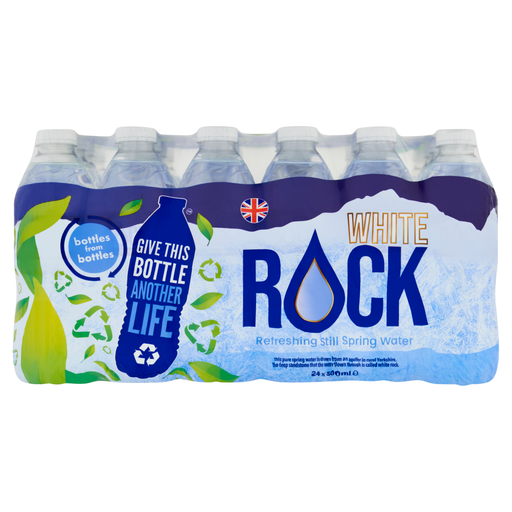
Why This Fits Their Persona: A 24-pack of portable 500ml bottles gives households, small offices and casual gatherings a straightforward supply of still spring water.
The 12-litre total volume makes the quantity clear, avoiding comparison based only on the number of bottles.
500ml format; spring water sourced in Yorkshire; no declarable allergens listed.
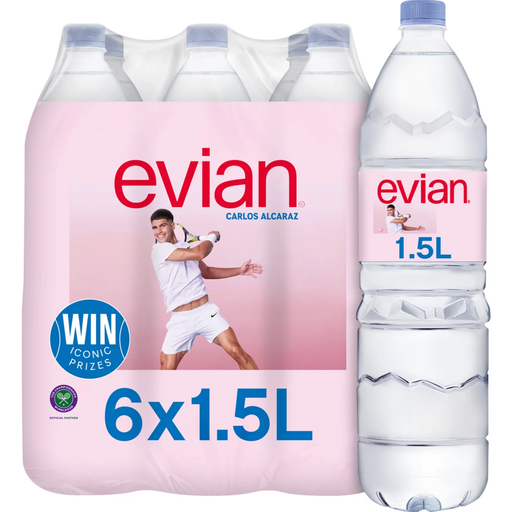
Why This Fits Their Persona: The 1.5L bottle format works for family meals, office sharing and home storage where a larger serving is preferable.
The listed mineral composition provides specific information instead of relying only on source imagery or taste language.
9-litre total volume; natural mineral water; listed calcium content of 80mg per litre.
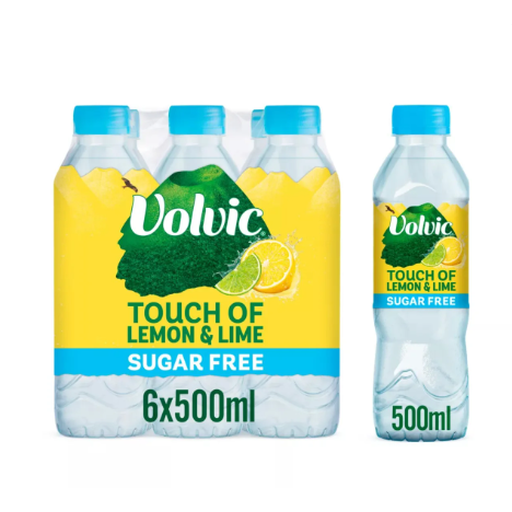
Why This Fits Their Persona: Compact 500ml bottles are practical for gym bags, lunch breaks and on-the-go hydration when plain water feels repetitive.
The ingredient and nutrition information makes clear that sugar-free still includes sweeteners and flavourings.
Zero sugar per 100ml in the supplied nutrition information; recyclable bottle stated on the product listing.
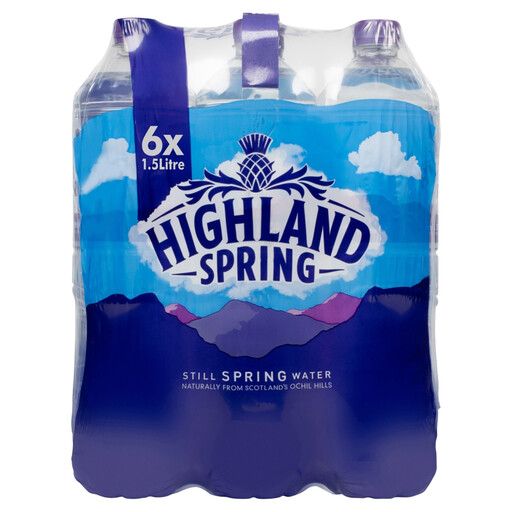
Why This Fits Their Persona: Six large bottles provide 9 litres for family cupboards, meal times and shared home use.
The pack’s total volume and stated storage guidance help shoppers plan space and consumption before ordering.
Natural spring water; 1.5L bottles; mineral composition listed per litre.
We have compiled a complete, real-time list of products that fully satisfy these strict selection criteria and UK safety regulations.
They can offer a lower cost per litre or per bottle, but this depends on the product, retailer and delivery charge. Compare the total litres, pack price and any bottled water delivery fee. A larger pack is only economical if you have suitable storage and will use it before opening guidance becomes relevant.
Use the best-before date printed on the bottle neck or outer packaging. Store unopened water away from sunlight, heat, strong odours and chemicals. Once opened, follow the product’s instructions: some listings advise refrigeration and consumption within three days, while others specify a different period.
Flavoured water may suit people who prefer a taste other than plain water. However, check the ingredient list for sweeteners, acids and preservatives. “Sugar-free” refers to the stated sugar content and does not necessarily mean the product contains only water.