
24/7 Customer Support

Free returns

Same-day & Next-day Delivery

Quality Guaranteed

Unlock Your Welcome Offers: FREE Delivery | Up to 80% OFF | Free 30-day JoyPlus trial
Download the APP
Buying bottled water multipacks seems straightforward until you compare bottle sizes, water types, packaging claims and total volume. A small pack of 500ml bottles may suit a school or gym, while a case of 1 litre water bottles could be more practical for a household. Sparkling water also needs different storage and serving considerations from still water.
Before ordering, watch for three common buying traps:
The number of containers is only one part of the comparison. Check the stated net quantity, then calculate the approximate cost per litre.
For example:
Smaller bottles are easier to distribute at offices, gyms, schools and events, but larger containers can reduce restocking frequency. For households, compare the cupboard and fridge space required as well as the price per litre.
Still water is generally simple to serve with meals, keep at a desk or use for everyday hydration. Sparkling water contains added carbon dioxide or natural carbonation and is often chosen as a meal accompaniment or alternative to soft drinks.
Flavoured sparkling water can add variety, but check the ingredients and nutritional panel. For example, Genki Forest Sparkling Water White Peach is listed with zero sugar and zero calories per 100ml, but it includes sweeteners and flavouring. This makes it different from plain sparkling water, even when the sugar content is zero.
For events, consider whether guests need:
Natural mineral water and spring water are both sold in UK retail channels, but their descriptions relate to how the water is sourced and presented. If mineral composition matters to you, read the analysis on the label rather than relying on phrases such as “balanced” or “pure”.
Packaging should also match your recycling arrangements. Recyclable PET bottles, aluminium cans and cardboard water boxes are handled differently, and collection rules vary between UK councils. “Recyclable” does not necessarily mean every local authority accepts every format at the kerbside, so check local guidance before buying in bulk.
A resealable can may help reduce waste when a drink cannot be finished immediately. However, it still needs to be stored appropriately after opening, and sparkling water should be kept sealed to help retain carbonation.
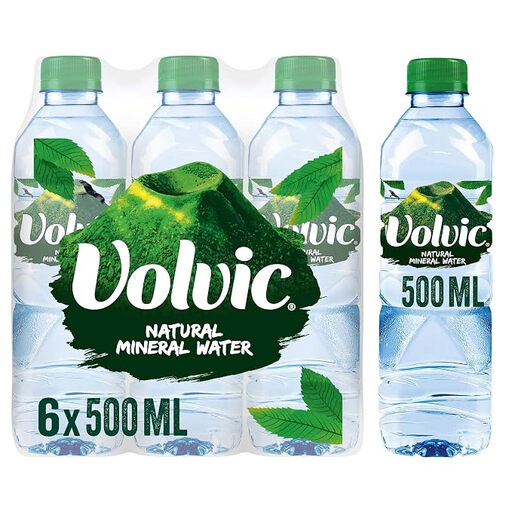
Why This Fits Their Persona: Six 500ml bottles provide a manageable quantity for personal use, commuting or occasional trips without committing to a very large case.
The listing states the exact 6x500ml quantity and provides mineral information, making volume and water type easier to compare.
500ml format; still natural mineral water; recyclable bottle information is provided in the product description.
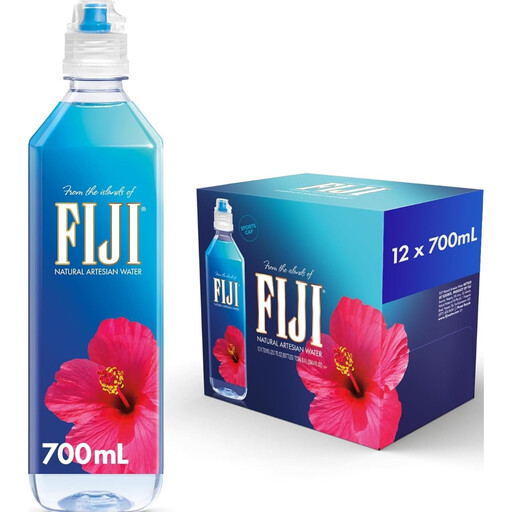
Why This Fits Their Persona: The 700ml sports-cap format suits customers who want a larger single serving for travel, fitness or work.
The product page specifies the bottle size, cap style and mineral analysis rather than leaving the format unclear.
700ml sports cap; 12-bottle pack; mineral analysis includes silica, calcium, magnesium and bicarbonates.
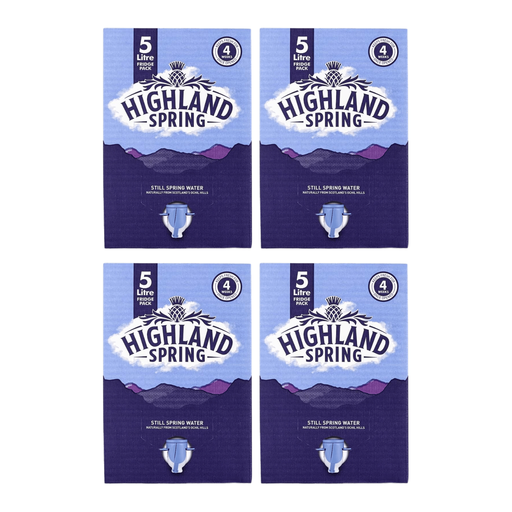
Why This Fits Their Persona: Four 5 litre containers are suited to households, hospitality settings or event preparation where frequent small-bottle handling is inconvenient.
The 5 litre capacity and tap design are clearly specified, helping buyers plan storage and dispensing before ordering.
Large-volume format; tap dispenser; cardboard outer described as FSC-certified and recyclable.
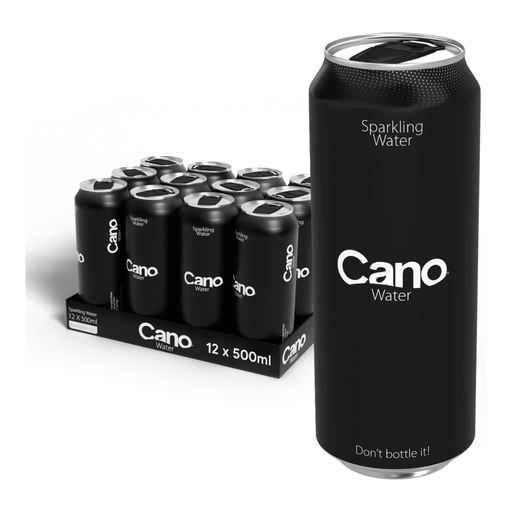
Why This Fits Their Persona: Resealable 500ml cans are practical for desks, walks, gym bags and outdoor gatherings where a drink may not be finished at once.
The resealable design addresses the inconvenience of single-use openings, while the 12x500ml quantity is clearly stated.
Sparkling spring water; resealable aluminium can; ingredients list contains natural spring water and carbon dioxide.
We have compiled a complete, real-time list of products that fully satisfy these strict selection criteria and UK safety regulations.
Check the best-before date on the packaging and store unopened products in a cool, dry place away from direct sunlight, strong odours and chemicals. Once opened, follow the product’s storage instructions. Sparkling products should remain sealed and may need refrigeration after opening.
They can offer a lower cost per litre, but this depends on the product, delivery charge and packaging format. Compare total litres rather than pack count, then consider storage space and whether all the water will be used before its best-before date.
The answer depends on the full packaging lifecycle, local collection facilities and whether the container is recycled. Aluminium and PET can both enter recycling systems, but acceptance varies across the UK. Look for clear material information and check your council’s recycling guidance before choosing bulk drinking water.