Parents packing an occasional treat
A portable chocolate may be an extra, not the breakfast or routine snack. Check the child’s age, the exact pack’s allergens and the nursery or school’s food policy before putting it in a lunchbox.


Choose food other than box chocolates for breakfast: the NHS gives examples such as fruit, yoghurt, toast and unsweetened cereal for children’s snacks, while the chocolate packs considered here are confectionery rather than a meal. If you want chocolate as an occasional portable treat, look for a clearly defined portion and check the current allergen label, any age warning and the nursery or school’s food policy.
The purpose of the purchase matters more than the size of the box: breakfast, a child’s lunchbox treat and sharing call for different checks.
A portable chocolate may be an extra, not the breakfast or routine snack. Check the child’s age, the exact pack’s allergens and the nursery or school’s food policy before putting it in a lunchbox.
If you need breakfast on the way out, choose breakfast food first. An individually wrapped chocolate is convenient to carry, but its wrapper does not make it a substitute for a meal.
A tub, carton or pouch makes sense when several people want a selection at home or an event. Compare the varieties, current allergen information and storage instructions rather than treating the whole pack as a grab-and-go portion.
Decide whether you need breakfast or an occasional treat before comparing pack formats. Then check the portion, ingredients and any requirements for the child or setting.
| Priority | What to check | Your needs |
|---|---|---|
| Breakfast purpose | Is this intended to be the meal or an extra? The NHS lists fruit, yoghurt, toast and unsweetened cereal among food options for children’s snacks; an individually wrapped chocolate remains confectionery. | I need something quick for breakfast, not just a sweet item that is easy to carry. |
| Defined portion | Check the number of units, whether they are wrapped separately and whether nutrition is given per unit, per serving or per 100 g. Do not treat those measures as interchangeable. | For an occasional treat, I want to know what I am packing without opening a sharing tub. |
| Allergens and policy | Read the current ingredients and precautionary allergen statements on the exact pack. The NHS also advises checking nursery food policies, which can include peanut- or nut-free requirements. | A lunchbox treat has to fit the eater’s allergy needs and the rules of the place they attend. |
| Young-child warnings | Follow the age and choking warning for the specific assortment. Tesco Groceries lists a warning that children under 4 may choke on the small sweets in its Quality Street 350 g carton. | For a young child, I need to check the pieces themselves, not assume individual wrapping makes them suitable. |
| Sharing format | Compare the assortment and pack size with the number of people sharing. For example, Tesco Groceries describes individually wrapped pieces in its Celebrations 500 g tub and Roses 270 g pouch. | When the chocolates are for a group, variety matters more to me than a ready-defined lunchbox amount. |
Individual wrapping helps with carrying it, not with making it a meal. The NHS gives fruit, yoghurt, toast and unsweetened cereal as examples of foods for children’s snacks.
Arrange breakfast food first; keep chocolate, if wanted, as an occasional extra.
A tub or carton gives you an assortment, but its total weight does not tell you how much is in one piece.
Compare the unit count and the nutrition measure on the pack when a defined amount matters.
Ingredients and precautionary statements differ between products. The NHS notes that some nurseries have peanut- or nut-free food policies.
Read the physical pack’s current label and confirm the relevant nursery, school or childminder policy before packing it.
Wrapping does not remove a product-specific choking warning. Tesco Groceries warns that children under 4 may choke on small sweets in its Quality Street 350 g carton.
Follow the warning on the exact pack rather than relying on another assortment’s label.
These examples show how pack formats differ; they are not a list of chocolates to use as breakfast or a statement about which brands Joybuy stocks.
Cadbury ranges include single-bar multipacks as well as larger sharing packs. Tesco Groceries describes its Twirl six-pack as six individually wrapped bars.
A mixed tub of miniature chocolates and a chocolate-covered biscuit is principally a sharing format.
Tesco Groceries lists 12 varieties in the 350 g carton, making it an assortment to consider for sharing rather than a defined breakfast portion.
The Cadbury Roses 270 g pouch offers an assorted-chocolate format that can be closed again after sharing.
Cadbury Heroes is an assorted, individually wrapped sharing format; Cadbury Gifts lists approximately 30 chocolates in its 240 g carton.
The cited Ferrero Rocher 37.5 g pack is a smaller option than a mixed sharing tub.
These chocolate multipacks are options to compare if breakfast is already covered and you want an occasional treat. Check the exact pack format before relying on separate bars for a lunchbox.
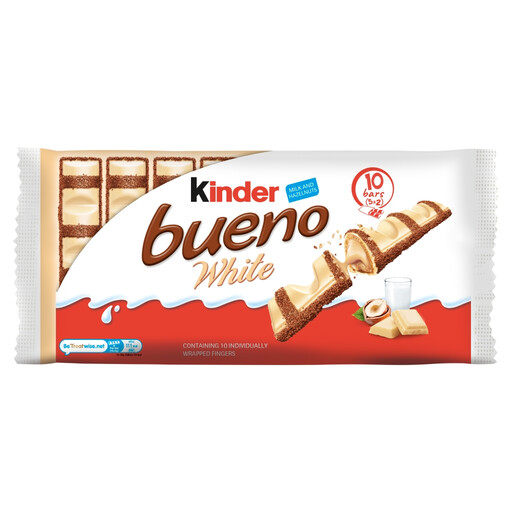 No image available
The 5-pack gives a stated total quantity for an occasional treat, not a breakfast. Check how the pieces are wrapped and read the current allergen label, particularly if wheat, milk, hazelnuts or soya matter to the eater.
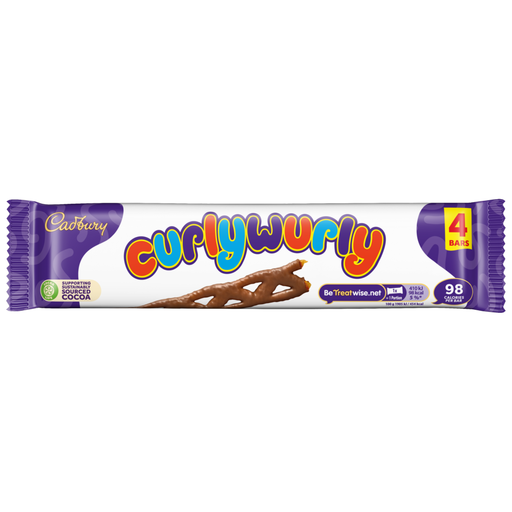 No image available
Four bars totalling 86 g offer a defined pack quantity for an occasional treat. Check the current label for milk and precautionary nut or wheat information, and confirm the wrapping if each bar needs to travel separately.
 No image available
The 12-pack states its total weight, which helps when comparing pack quantities for occasional treats. If you need separate lunchbox portions, confirm the individual wrapping; check the current allergen label for wheat, milk, soya and any nut precaution.
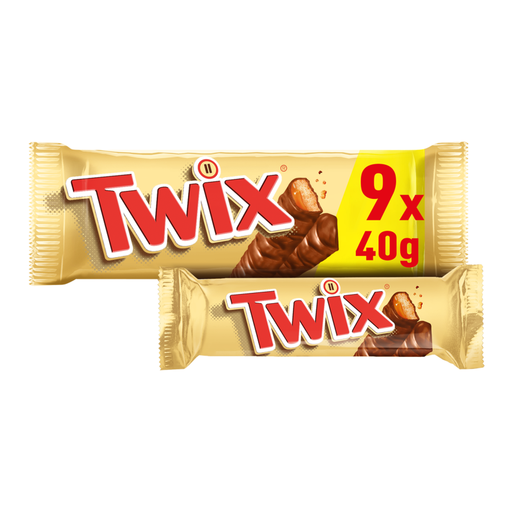 No image available
Consider this as an occasional treat rather than breakfast. Confirm the pack count, bar size and individual wrapping against the current product and physical pack information before planning separate portions; check the milk and wheat allergen statement too.
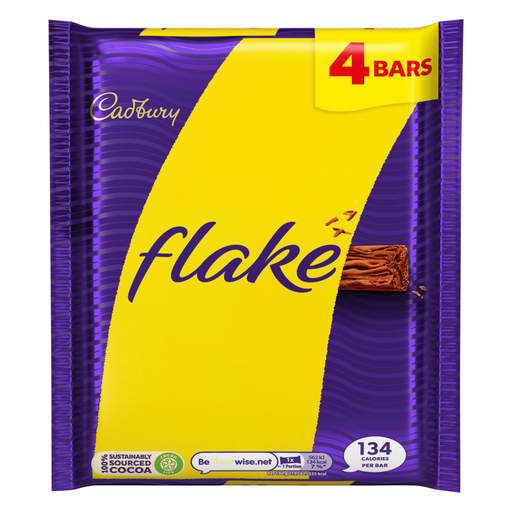 No image available
The four-bar format gives a defined number of occasional treats. Check the current pack for individual wrapping, per-bar information if you need it, and the milk allergen statement before putting one in a lunchbox.
Do not rely on box chocolates as breakfast. The NHS gives food examples including fruit, yoghurt, toast and unsweetened cereal for children’s snacks; if you want chocolate, consider it an occasional extra after arranging breakfast food.
A clearly counted, individually wrapped unit makes the amount easier to identify than a large sharing tub. Check the exact pack’s wrapping, nutrition measure and allergens: Tesco Groceries lists three individually wrapped pieces in its Ferrero Rocher 37.5 g pack, for example.
Check the nursery’s food policy and the exact pack’s allergen statement before packing them. The NHS notes that some nurseries may be peanut- or nut-free, while ingredients and precautionary statements vary between chocolate assortments.
No: follow the warning for the specific product. Tesco Groceries warns that children under 4 may choke on the small sweets in its Quality Street 350 g carton; a wrapper does not change that warning.
Follow the instructions on the current pack. Tesco Groceries specifies a cool, dry place for its Cadbury Roses 270 g pouch.