For routine toddler snack time, choose a non-chocolate option rather than a box of chocolates. The NHS suggests foods such as fruit, vegetable sticks, plain unsweetened yoghurt, toast and crackers for young children, while Department for Education oral-health guidance advises keeping sugar-containing foods to mealtimes. A chocolate assortment can be a separate purchase for adults or a family occasion, but check its exact label where a child has an allergy.
Who is this decision for?
Carers planning a toddler’s usual snacks
If you need something for an ordinary snack between meals, start with the child and the occasion rather than the size of a chocolate box. The NHS lists fruit, vegetable sticks, plain unsweetened yoghurt, toast and crackers among snack examples for young children.
Adults buying chocolates for the household
A sharing box or seasonal gift is a different purchase from a toddler’s routine snack. Brands including Cadbury, Nestlé and Celebrations describe assortments for sharing; consider the exact ingredients and any allergy needs before bringing one into a household with a child.
What matters when choosing a snack?
Decide whether the purchase is for the toddler’s ordinary snack or for other members of the household. Then check the food itself, when it will be served and any ingredient restrictions.
| Priority |
What to check |
Your needs |
| Snack type |
For an ordinary toddler snack, compare foods the NHS names for young children, such as fruit, vegetable sticks, plain unsweetened yoghurt, toast and crackers. Check that the food and texture suit the child. |
I’m choosing something for a toddler to eat between meals, not a sharing box for adults. |
| Sugar timing |
Consider when the food will be eaten, not just whether it is individually wrapped. Department for Education early-years oral-health guidance identifies chocolate among foods containing sugar and advises limiting sugar-containing foods and drinks to mealtimes. |
A between-meal snack needs to fit our usual eating routine; a chocolate assortment does not become a routine toddler snack because it has small pieces. |
| Ingredients and allergens |
Read the current label for the exact product and assortment. The NHS advises avoiding a food if you are unsure whether it contains something to which the child is allergic. |
If a child has a food allergy, I need to check the particular pack rather than rely on the brand name or another box’s ingredients. |
Mistakes to avoid
-
Using a larger chocolate box for everyday toddler snacks
More pieces do not change the snack occasion. Department for Education early-years oral-health guidance advises that foods containing sugar, including chocolate, be kept to mealtimes.
For a routine snack between meals, start with the NHS’s young-child snack examples instead of choosing a chocolate assortment by pack size.
-
Assuming every centre in an assortment has the same ingredients
Mixed chocolates can contain different ingredients. Celebrations lists peanuts, milk, wheat and soya in its 500g tub information, with almonds and hazelnuts listed as possible allergens.
Check the current label of the exact pack. If a child has an allergy and you cannot establish whether a food contains the relevant allergen, follow the NHS advice to avoid it.
Chocolate assortments to recognise
These brand references describe sharing products, not recommendations for routine toddler snacks. Ingredients can differ between assortments and pack formats.
Cadbury Heroes
Cadbury describes its 290g Heroes box as an assorted milk-chocolate product for sharing.
- Its sharing-box format suits a separate household or gifting purchase.
- That format does not make it a routine toddler snack; check the exact pack’s ingredients if allergies matter.
Cadbury Roses
Cadbury presents Roses as a sharing assortment, including a 550g tub.
- There are different pack formats for a household sharing purchase.
- Asda’s listing for a 240g Roses carton identifies milk, hazelnuts and soya, with possible other tree nuts. Check the label of the particular format you buy.
Quality Street
Nestlé describes Quality Street as a range of chocolates and toffees for sharing and gifting.
- The range includes several sharing and gifting formats.
- Nestlé says Quality Street products contain dairy; consult the chosen pack for its full ingredient and allergen information.
Celebrations
Celebrations sells an assortment of branded chocolate centres, including a 500g tub.
- The tub is presented as a sharing assortment rather than a single chocolate variety.
- Celebrations lists peanuts, milk, wheat and soya for its 500g tub, and says it may contain almonds and hazelnuts.
Ferrero Rocher
Ferrero presents Ferrero Rocher as boxed chocolates for sharing and gifting.
- Ferrero’s UK information describes the Ferrero Rocher T2 product as combining wafer, hazelnut and milk chocolate.
- That T2 information lists hazelnuts, wheat and soya ingredients. Check the label of the exact product where an allergy is relevant.
Non-chocolate options on Joybuy
These products are non-chocolate snacks labelled for young children, rather than box chocolates. Their age labels and portion formats can help narrow a choice, but check ingredients, texture and how each food fits the child’s snack routine.
 No image available
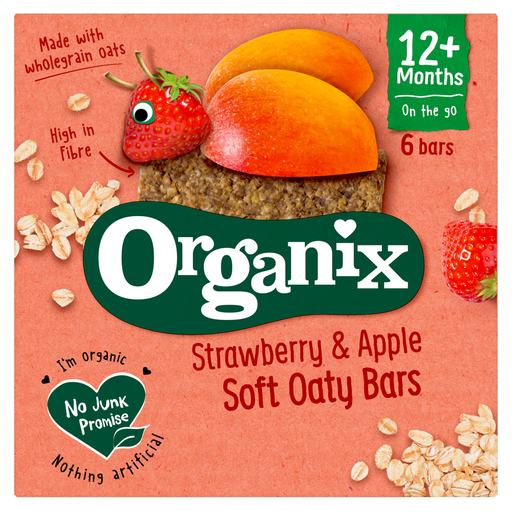
Organix Strawberry & Apple Soft Oaty Bars 12+ Months, 6 x 23g
For a child aged 12 months or over, these non-chocolate oaty bars come as six 23g bars.
Check the current ingredients and allergen label, and consider whether the bar fits the child’s usual snack routine; a non-chocolate format alone does not settle that question.
View on Joybuy
 No image available
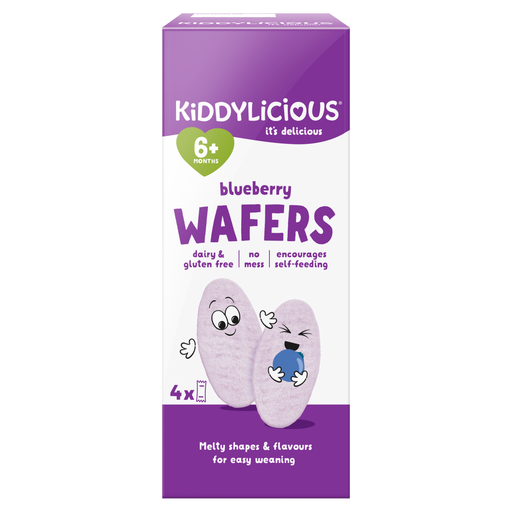
Kiddylicious Blueberry Wafers 6+ Months, 4 x 4g
These non-chocolate blueberry wafers are labelled for ages 6 months and over and come in four 4g packs.
The product information calls for experience with firmer textures and for the child to be seated upright and supervised while eating. Check the current pack’s ingredients against any allergy needs.
View on Joybuy
Common questions
Is a box of chocolates suitable for a toddler’s routine snack?
Choose another food for routine snack time. The NHS gives examples including fruit, vegetable sticks, plain unsweetened yoghurt, toast and crackers for young children. Department for Education early-years oral-health guidance identifies chocolate among sugar-containing foods and advises keeping such foods to mealtimes.
What could I choose instead of chocolates?
Start with a snack that suits the child’s age and eating ability. NHS examples for young children include fruit, vegetable sticks, plain unsweetened yoghurt, toast, crackers and unsalted rice cakes; check texture and ingredients for the particular child.
Can I buy a chocolate box for a family celebration?
A chocolate box can be a separate sharing or gifting purchase without making it the toddler’s routine snack. If a child has an allergy, check the exact pack: mixed assortments may include centres with different ingredients.
How should I check allergens in a boxed assortment?
Read the current ingredient and allergen label on the exact pack rather than relying on the assortment name or an older listing. The NHS advises avoiding a food if you are unsure whether it contains something to which the child is allergic.


