Bakers using a gifted or leftover box
If you want to add pieces to cookies or traybakes, or decorate a dessert, select the individual chocolates for their fillings rather than treating the whole assortment as plain chocolate.


Choose the chocolate format named in your recipe when its sweetness, melting or texture matters: Guittard’s baking guidance explains that shape, fat content and viscosity affect how chocolate behaves in cookies. A boxed assortment makes more sense when you deliberately want particular fillings as chopped pieces or decoration. Check the ingredients and allergens on the pack you use, and follow any product-specific heating instructions.
If you want to add pieces to cookies or traybakes, or decorate a dessert, select the individual chocolates for their fillings rather than treating the whole assortment as plain chocolate.
If a recipe calls for chips, wafers or a particular type of chocolate, start with that format. Guittard’s baking guidance notes that shape, fat content and viscosity affect whether chocolate holds its shape or spreads.
Check the ingredients and allergen statements on the exact pack before sharing a bake. If you plan to sell it, the ingredients in the chocolates also matter to the allergen information you provide for the finished food.
Start with what the recipe needs the chocolate to do, then decide whether varied centres would add something you actually want.
| Priority | What to check | Your needs |
|---|---|---|
| Recipe format | Check whether the recipe specifies chips, wafers, a bar or a particular chocolate type. Guittard explains that shape, fat content and viscosity affect how chocolate holds its shape or spreads. | For a recipe where distinct pieces or a particular melted texture matter, I want the chocolate format it calls for. |
| Fillings and texture | Identify the centres in the pieces you plan to use, then decide whether they belong in the bake or on the finished dessert. Check the chosen product’s heating instructions. | I want recognisable caramel, fruit, nut or wafer pieces as part of the result, rather than a uniform chocolate ingredient. |
| Ingredients and allergens | Read the current pack’s ingredient list, highlighted allergens and precautionary statements. Check the assortment as a whole, not just the coating of a favourite piece. | If I am baking for someone with an allergy or dietary restriction, I need to assess the exact chocolates used in that batch. |
| Food prepared for sale | Keep ingredient information for the chocolates used and establish how the finished food will be packaged and sold. GOV.UK’s guidance distinguishes food packed on the same premises before sale from other sales formats. | Before selling a home bake, I need to work out which registration and allergen-information requirements apply to my business and product. |
An assortment may contain caramel, toffee, fruit cream, wafer or nuts alongside chocolate. Those centres change what goes into the finished bake.
Choose the individual pieces for a specific inclusion or decoration. If the recipe depends on its stated chocolate type, use that type instead.
Ingredients and allergen statements can apply to fillings and other parts of an assortment, not just its chocolate coating.
Read the current pack before baking for someone else, including any may-contain statement, and keep its ingredient information with the batch.
Joybuy’s product information for Quality Street 220g says it is ready to eat and should not be heated or exposed to temperatures above 70°C. That instruction is specific to the checked product, not a rule for every assortment.
For a melted coating or an oven-heated ingredient, choose a chocolate intended for the recipe and check the instructions on the pack you have.
Food sold from a home kitchen can bring food-business registration and allergen-information requirements into the decision.
If you are starting a food business, the Food Standards Agency’s registration service says to register with your local authority at least 28 days before trading. Check the applicable allergen-labelling requirements for the way your finished food will be sold.
These ranges contain different kinds of pieces; compare the current pack’s ingredients and instructions with the use you have in mind.
A Cadbury assortment of miniature confectionery with different chocolates and centres.
Cadbury lists Roses pieces including Hazel Whirl, Golden Barrel, Strawberry Dream, Country Fudge and Signature Truffle.
An assortment that includes chocolates, toffees and fruit creams; Nestlé Confectionery states that Quality Street products contain dairy.
A mixed confectionery assortment that Celebrations describes as spanning nuts and nougat through to coconut and caramel.
A hazelnut-and-wafer praline covered in milk chocolate and chopped hazelnut pieces, as described in Joybuy’s product information.
These options include cooking chocolate and chips for recipes that call for a specified chocolate format, plus a boxed assortment for selecting individual pieces as decoration or inclusions.
 No image available
A cooking-chocolate option when a recipe calls for dark chocolate rather than selected pieces from an assortment. The title specifies 70% cocoa and a 100g bar; check that this chocolate type matches the recipe.
 No image available
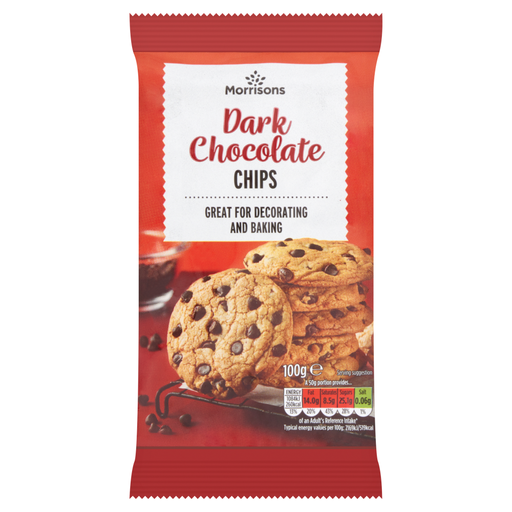
For a recipe calling for dark chocolate chips, this 100g pack provides the named chip format rather than a mixture of filled chocolates. Follow the recipe’s instructions for adding the chips.
 No image available
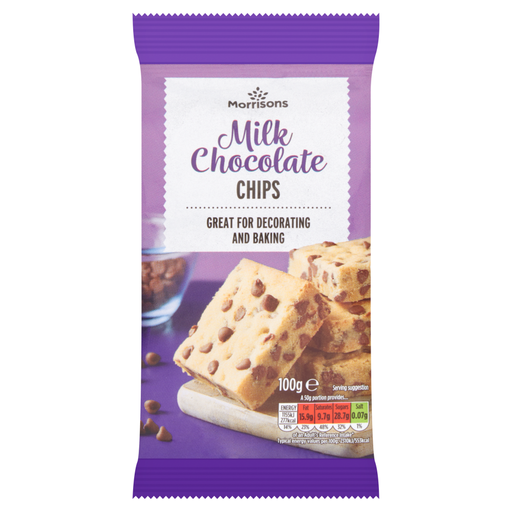
A 100g chip-format option when a recipe names milk chocolate chips. Do not substitute it for dark chocolate chips without considering the chocolate type specified by the recipe.
 No image available
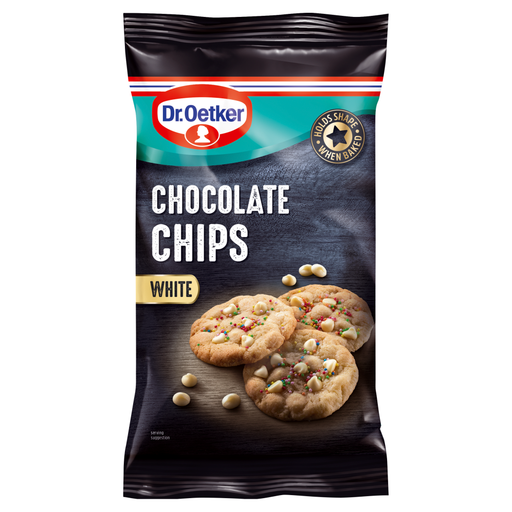
A 100g white chocolate chip option for a bake or decoration that specifically calls for white chocolate chips. Check the product instructions if you intend to melt them for decorating.
 No image available
This 348g boxed assortment is an option when you want to choose individual filled chocolates for decoration or inclusions. Its varied centres make it different from the single chocolate type a recipe may specify; check each selected piece and the pack’s allergen information.
Use an assortment as an intentional addition, not an automatic like-for-like replacement. Its different fillings can change the result, while Guittard’s baking guidance explains that chocolate format, fat content and viscosity affect how it holds its shape or spreads. If the recipe relies on a specified chocolate type, start with that type.
Choose chocolate intended for the recipe’s coating rather than assuming filled pieces will melt into a uniform mixture. Check the specific product instructions too: Joybuy’s information for Quality Street 220g says that product should not be heated or exposed to temperatures above 70°C.
Read the ingredient and allergen information on the exact pack, including precautionary statements, before selecting pieces. Different centres can introduce different ingredients; Cadbury Gifts’ Heroes carton, for example, carries a may-contain warning for peanuts, nuts and wheat.
If you are starting a food business, the Food Standards Agency’s registration service says to register with your local authority at least 28 days before trading, including when operating from a home address. Check with your local authority how the requirement applies to your planned operation.
The required presentation depends on how the food is packaged and sold. GOV.UK guidance for food packed on the same premises before sale in England, Northern Ireland and Wales requires the food name and a full ingredients list with allergens emphasised. Food Standards Scotland states that businesses must provide allergen information for both prepacked and non-prepacked food. Keep the ingredient details for every boxed chocolate used so you can establish the applicable information for the finished bake.