Hosts bringing something to share
For an afternoon tea where guests eat ordinary foods, a box can be passed around the table. Choose a size that suits the gathering and keep the pack available so guests can check its ingredients.


A small box of chocolates can be a considerate afternoon-tea gift for someone who eats ordinary foods and whose preferences and dietary restrictions you know. Check the exact pack for allergens, fillings and sugar information before serving. If the recipient has swallowing difficulties or a prescribed texture-modified diet, follow their individual guidance rather than judging chocolates or marshmallows by how soft they look.
For an afternoon tea where guests eat ordinary foods, a box can be passed around the table. Choose a size that suits the gathering and keep the pack available so guests can check its ingredients.
Check the particular assortment for relevant allergens, fillings and sugar information. A familiar brand or attractive box does not tell you whether every chocolate suits the recipient.
Do not use the appearance of a truffle or marshmallow to judge its suitability. Cambridge University Hospitals NHS Foundation Trust cautions that its easy-to-chew guidance does not apply to people at increased choking risk; follow the person’s assessed diet guidance.
Start with whether ordinary confectionery is appropriate for the recipient, then compare the exact packs on ingredients, fillings and serving format.
| Priority | What to check | Your needs |
|---|---|---|
| Chewing and swallowing | Look at the pieces and fillings, including nuts, crisp centres and chewy sweets. If a texture-modified diet applies, use the recipient’s individual guidance rather than the product description. East Lancashire Hospitals NHS Trust lists chocolate, nuts, toffees and chewy sweets among foods that can be difficult to chew or swallow. | I need to know whether this person can eat ordinary confectionery before choosing a box. If they follow an assessed diet plan, I will choose a gift in line with that plan instead. |
| Allergens | Read the current pack’s ingredients and allergen statement, including any precautionary warnings. Check each assortment rather than assuming every piece has the same ingredients. | For someone with a food allergy, I need to confirm the exact pack before it is served; the box design and an earlier purchase are not enough. |
| Sugar and portions | Compare total sugars per 100g, then consider pack weight and how many people will share it. The NHS describes 22.5g or more total sugar per 100g as high in sugar; Marks & Spencer lists 47.6g per 100g for its 624g milk, dark and white selection. | A smaller box may be easier to portion for a short visit, while a larger assortment may make more sense when several guests will share it. |
| Fillings and alcohol | Check the named flavours and any explicit alcohol statement on the exact selection. Waitrose states that Butlers The Chocolate Box 320g contains no alcohol, but its ingredients include almonds and hazelnuts. | If the recipient avoids alcohol or dislikes nut-filled chocolates, I want the stated assortment to match those preferences—not just a gift-box label. |
Texture is not reliably judged by appearance. East Lancashire Hospitals NHS Trust identifies chocolate and chewy sweets among foods that can be difficult to chew or swallow.
Ask about the recipient’s assessed diet plan and follow their Speech and Language Therapist’s guidance where one applies; do not substitute an ordinary box of chocolates or marshmallows for it.
Different selections can contain different nuts and other allergens. Waitrose advises that recipes can change, so an earlier product listing may not describe the pack being served.
Read the exact pack before sharing it. If you cannot establish whether it meets the recipient’s allergy requirements, ask first or choose a non-food gift.
A 624g assortment serves a different sharing occasion from a small gift box. Marks & Spencer lists 47.6g sugars per 100g for its 624g milk, dark and white selection, so its size should not be mistaken for a serving suggestion.
Match the pack to the number of guests and check the nutrition panel if sugar content matters to the recipient.
These retailer ranges provide examples of the pack information worth comparing; check the particular product and its physical label before gifting.
Marks & Spencer lists assorted chocolate boxes, including truffles and mixed chocolate selections.
Waitrose lists own-label and branded chocolate gift boxes in different pack sizes.
Tesco Groceries lists boxed chocolates from several brands, with pack weights that help narrow a choice by sharing occasion.
These are chocolate options for recipients who can eat ordinary confectionery. Their pack sizes and stated varieties offer different ways to share a gift; none should be chosen for a prescribed texture-modified diet on appearance alone.
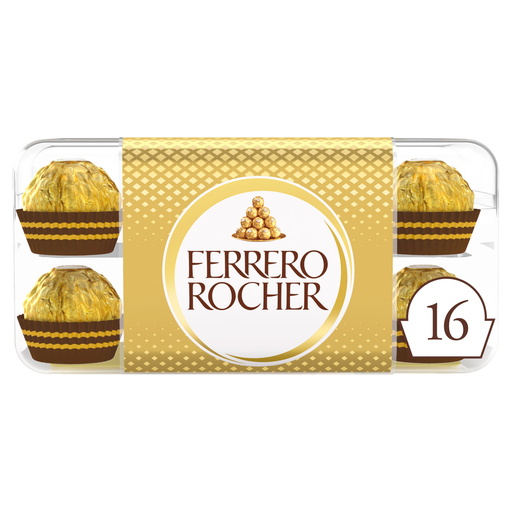 No image available
The stated 16-piece, 200g format is an option to consider for sharing at a small tea table. Check the current pack for hazelnuts, milk, soya, wheat and any other nut warnings; do not assume the nut and wafer pieces suit someone with chewing or swallowing difficulties.
 No image available
The 24-piece, 300g box is a larger sharing format than the x16 pack. Check its current allergen statement for hazelnuts, milk, soya and wheat, and consider whether nut and wafer textures are appropriate for everyone being offered a piece.
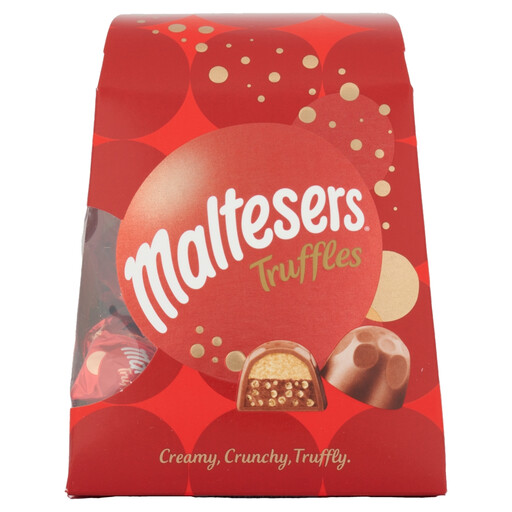 No image available
This 200g gift box offers a malt-centre alternative to nut-centred chocolates. Check the current pack for milk, wheat, barley and soya, as well as possible nut warnings. A truffle description does not establish suitability for swallowing difficulties.
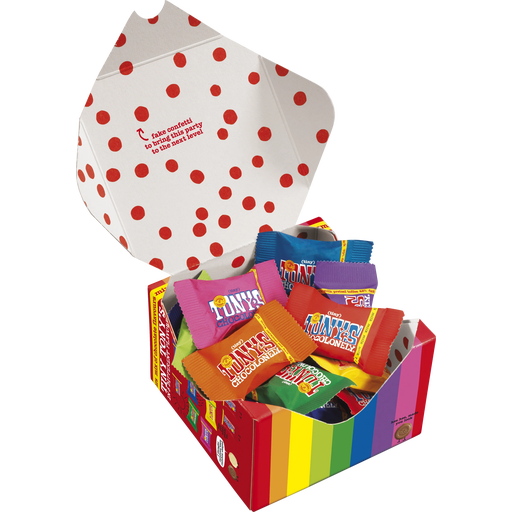 No image available
The 180g mixed box suits a recipient who would enjoy choosing among flavours, provided ordinary chocolates are appropriate for them. Confirm the exact assortment and its current allergens on the pack; the described mix includes nut-containing and crunchy elements.
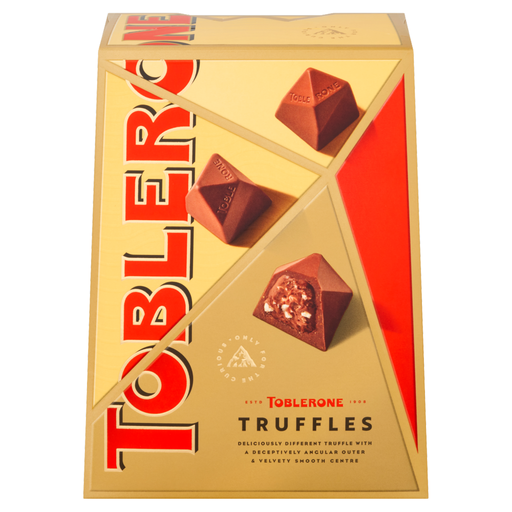 No image available
This 180g option is worth considering for someone who likes honey-and-almond flavours and can eat ordinary confectionery. Check the pack for almonds, eggs, milk, soya and any wheat or other nut warnings; the described almond-nougat crunch also matters when considering texture.
No: age alone does not settle the question. A box may suit someone who eats ordinary foods, but if a guest has swallowing difficulties or a prescribed texture-modified diet, follow their individual guidance rather than selecting chocolates by appearance.
Read the ingredients, allergen statement and precautionary warnings on the exact pack before serving. The Food Standards Agency says UK food businesses must provide allergen information, while Waitrose cautions that product recipes can change; an older listing is not a substitute for the pack in hand.
Compare total sugars per 100g on the nutrition panels, then look at pack size and the portion you intend to serve. The NHS describes 22.5g or more total sugar per 100g as high in sugar; this is a way to read the label, not a serving size for afternoon tea.
Choose a selection whose own product information explicitly says it contains no alcohol, then check the current pack. Waitrose states that Butlers The Chocolate Box 320g contains no alcohol, but that statement does not apply to other assortments or remove the need to check its allergens.