Small groups meeting before exercise
An assortment can provide a treat to divide among a few people. Choose the pack for the number of sharers, rather than assuming its sharing format makes it suitable workout fuel.


Choose an assorted chocolate pack if the point is to share a treat, matching its format to the group and checking the current pack’s allergen information. If the food is meant to fuel the workout, use a separate snack or light meal: the British Dietetic Association advises a low-fat, high-carbohydrate option two to three hours before exercise.
The first distinction is whether the chocolates are for a social occasion or are being counted on as the pre-workout snack.
An assortment can provide a treat to divide among a few people. Choose the pack for the number of sharers, rather than assuming its sharing format makes it suitable workout fuel.
If you need food before the session, make that choice separately from a chocolate purchase for colleagues or friends. The British Dietetic Association’s pre-exercise guidance favours a low-fat, high-carbohydrate snack or light meal two to three hours beforehand.
Assorted pieces can have different ingredients, and wrapping does not settle an allergy question. Read the ingredients, highlighted allergens and precautionary wording on the current pack before offering it to others.
Choose this route: When the food needs to serve as your pre-exercise snack or light meal.
Trade-off: It does not provide the shared confectionery assortment, but a low-fat, carbohydrate-led option more closely follows the British Dietetic Association’s pre-exercise guidance.
Choose this route: When the purchase is a treat for a group, not the food everyone is relying on before exercise.
Trade-off: An assortment offers a choice of pieces, but you still need to match the pack to the group and check its allergens.
| Priority | What to check | Your needs |
|---|---|---|
| Purpose and timing | Decide whether this is a treat or the food intended before exercise. The British Dietetic Association advises a low-fat, high-carbohydrate snack or light meal two to three hours beforehand; University College London Hospitals also describes a carbohydrate-containing snack with protein and minimal fat for a shorter pre-exercise window. | If I am counting on food before training, I need to choose that separately rather than rely on the chocolate box. |
| Group size | Compare pack weight and any stated piece count with the number sharing. Cadbury lists Heroes and Roses in 290g boxes, while the Ferrero Collection listing describes a 172g box of 15 pieces. | For a brief meet-up with a few people, I want a pack that fits the group rather than choosing a larger seasonal format by default. |
| How pieces are shared | Check whether the particular assortment has individually wrapped pieces or another format that works for your group. Do not infer wrapping from a gift-box name or pack weight. | We would like to divide the chocolates without handling loose pieces, so the pack format matters as much as its size. |
| Ingredients and allergens | Read the current pack’s ingredients, highlighted allergens and any ‘may contain’ statement. An ASDA listing for Quality Street 300g declares milk and hazelnuts and warns that all sweets may contain nuts; check the exact variant being offered. | Before I offer an assortment to others, I need to know whether its ingredient and precautionary statements work for everyone sharing. |
A sharing treat does not settle what to eat before the session. The British Dietetic Association’s guidance instead describes a low-fat, high-carbohydrate snack or light meal two to three hours before exercise.
Decide whether you are buying food for the workout or chocolates for the occasion, then make those choices separately.
Wrapping does not remove allergens or precautionary warnings. The listed Quality Street 300g assortment declares milk and hazelnuts and warns that all sweets may contain nuts.
Check the physical pack before sharing, particularly when anyone has an allergy; do not judge the whole assortment by one piece.
A 172g Ferrero Collection box listed with 15 pieces serves a different sharing occasion from the documented 290g Cadbury Heroes and Roses boxes or 300g Quality Street bag. Weight alone does not indicate pre-workout suitability.
Count the likely sharers and check the format and any piece count before choosing a smaller gift box or a larger sharing pack.
England’s school-food standards and guidance on promotions of qualifying high-fat, salt or sugar products address different settings. They do not establish one rule for every UK nation or classify every chocolate assortment in the same way.
For a school-food or business-promotion decision, check the rules for the relevant nation and setting rather than treating an ordinary shared purchase as the same question.
These ranges illustrate different assortment formats; the named products and pack details do not describe every product from each brand.
Cadbury describes Heroes and Roses as assorted milk chocolates in separate 290g box formats.
Nestlé lists a 300g chocolate sharing bag, providing an alternative format to a rigid box.
Mars Wrigley’s UK brand information lists a mixed miniature assortment including Bounty, Maltesers, Galaxy, Snickers, Twix, Milky Way and Mars.
A Tesco listing describes a 172g box with 15 Ferrero Rocher, Raffaello and Rondnoir pralines.
These chocolate packs and gift boxes are options for a shared treat before a workout. Choose food for the workout separately, and check the current pack if allergens or individually wrapped portions matter.
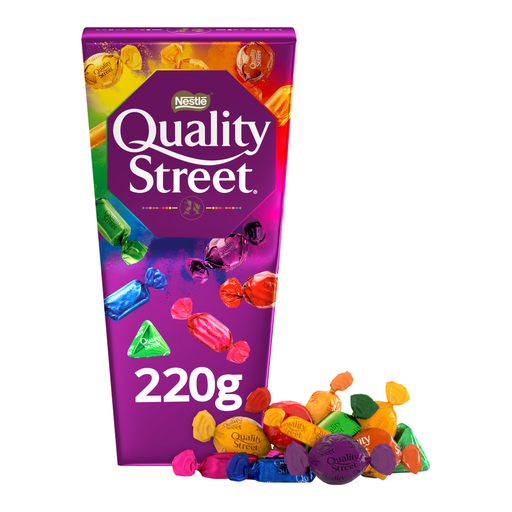 No image available
Consider this 220g pack for a shared chocolate treat, rather than as the food intended to fuel exercise. The listing identifies milk, hazelnuts and soya and includes a precautionary nut warning; check the current physical pack before sharing.
 No image available
This 300g box is a chocolate treat to consider when sharing with a group, not a substitute for choosing a pre-exercise snack. Its listing identifies hazelnuts, milk, soya and wheat; check the physical pack and confirm the wrapping format if separate portions matter.
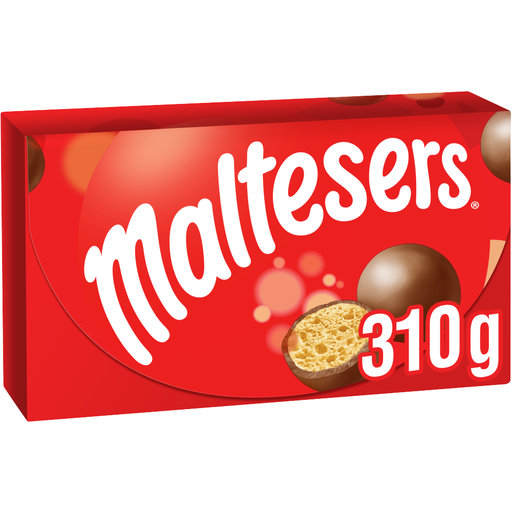 No image available
The 310g gift box is an option when the purchase is for sharing chocolate rather than fuelling a workout. The listing identifies milk, soya and wheat; read the current pack’s allergen wording and confirm whether pieces are individually wrapped if that affects how you plan to share them.
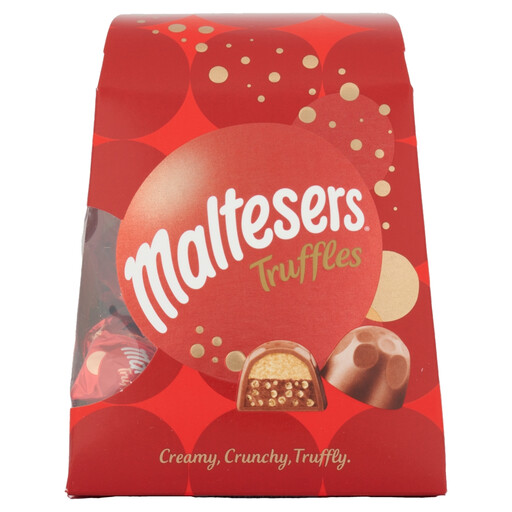 No image available
Consider this 200g gift box for a smaller shared treat, while making any pre-workout food choice separately. Its listing identifies milk, wheat, barley and soya and warns that it may contain almonds and hazelnuts; check the physical pack and its wrapping format before sharing.
Choose food for the workout separately from a chocolate box bought as a treat. The British Dietetic Association advises a low-fat, high-carbohydrate snack or light meal two to three hours before exercise; University College London Hospitals also describes a carbohydrate-containing snack with protein and minimal fat closer to activity.
Do not use a general rule about boxed chocolates to decide what or how much to eat. University College London Hospitals says the relevant snack choice can depend on glucose level and trend, insulin on board, and the type and duration of exercise; follow your individual clinical plan.
Read the ingredients, highlighted allergens and any ‘may contain’ wording on the current physical pack. The Food Standards Agency explains that precautionary allergen labelling signals possible unintended presence of a regulated allergen; individually wrapped pieces do not remove that concern.
Do not treat boxed chocolates as an ordinary school-food option under the current standards for state-funded schools in England. The Department for Education’s school-food guide identifies confectionery and chocolate as restricted across the whole school day. That England-specific position does not establish the rules elsewhere in the UK; the Department says proposed changes from September 2027 remain subject to Parliamentary approval.
No individual-purchase prohibition follows from the Department of Health and Social Care’s England guidance on promotions and placement of qualifying products high in fat, salt or sugar. That guidance addresses specified business practices; whether a particular product and promotion fall within it requires the applicable product assessment and business context.