Parents choosing everyday toddler snacks
If the food is for regular snack time, start with the NHS’s suggestions for young children, such as fruit, plain unsweetened yoghurt or toast, rather than treating a confectionery gift as a snack.


For an ordinary toddler snack, choose something other than boxed fudge or chocolates: the NHS suggests options such as fruit, plain unsweetened yoghurt, toast, crackers and breadsticks for young children. A confectionery box can instead be a household gift, but check the exact pack for allergens and ask the nursery about its food policy before sending any food in.
If the food is for regular snack time, start with the NHS’s suggestions for young children, such as fruit, plain unsweetened yoghurt or toast, rather than treating a confectionery gift as a snack.
A box bought for someone else still needs an exact-pack allergen check if it may be shared. The Thorntons, M&S and Sainsbury’s products described below carry different nut or peanut information, so the type of sweet alone is not enough to judge suitability.
Check the individual setting’s policy before packing food. The NHS notes that some nurseries may be peanut- or nut-free.
Choose this route: When the food is for the child’s regular snack time, use the NHS’s young-child snack suggestions rather than buying a confectionery box for that purpose.
Trade-off: A snack selected for the toddler does not serve the same purpose as a boxed sweet gift.
Choose this route: Buy fudge or boxed chocolates as a gift only when they are not being chosen for the toddler’s routine snack.
Trade-off: A gift that may be shared still calls for an exact-pack allergen check; it should not be assumed suitable for a nut-free nursery.
| Priority | What to check | Your needs |
|---|---|---|
| Snack choice | For ordinary snack time, compare the food with NHS suggestions such as fruit, plain unsweetened yoghurt, toast, crackers, breadsticks or unsalted rice cakes. Check the exact pack’s ingredients and sugars information. | I’m choosing food for regular toddler snack time, not a boxed gift. The NHS advises avoiding foods and drinks with sugar or sweeteners for children aged four or younger. |
| Allergens | Read the current pack’s ingredients and precautionary statements. Check for milk, nuts, peanuts and any other allergens relevant to the child; do not judge by whether fudge looks plain. | If the gift could be shared with a child who has an allergy, I need the information for that exact product. Marks & Spencer marks its Clotted Cream Fudge unsuitable for people with nut or peanut allergy. |
| Nursery policy | Ask the nursery or childminder about its food policy before packing a snack, including any peanut- or nut-free requirements. | I need something the setting allows, even if it is commercially packaged. The NHS notes that some nurseries may be peanut- or nut-free. |
| Whole nuts | Check a chocolate assortment for whole nuts or peanuts as well as its allergen declaration. The NHS says children under five should not be given whole nuts because they can choke on them. | Before any box is shared around a young child, I need to know what is inside each piece; an allergen check and a choking-risk check answer different questions. |
Boxed fudge and chocolates serve a different purpose from ordinary toddler snacks. The NHS advises avoiding sugary snacks and drinks for children aged four or younger.
Choose the toddler’s snack separately. If you want a confectionery box, treat it as a household or adult gift rather than part of the child’s regular snack plan.
M&S Clotted Cream Fudge is marked unsuitable for people with nut or peanut allergy. Sainsbury’s All Butter Fudge carries peanut, nut and egg allergy warnings relating to manufacturing methods.
Check the current physical pack’s ingredients and precautionary statements each time; neither appearance nor a previous purchase establishes the details of the pack in hand.
A packaged product can still conflict with a setting’s rules. The NHS says some nurseries may be peanut- or nut-free.
Ask the nursery or childminder before packing food, especially a nut-containing assortment or a product with a relevant precautionary allergen statement.
These confectionery examples help with gift and pack-label checks; their inclusion does not make them toddler snack recommendations.
Thorntons Classic 150g is a boxed chocolate assortment that may be considered as a gift rather than an everyday toddler snack.
M&S Clotted Cream Fudge is a standalone fudge option for a confectionery gift, not a substitute for an ordinary toddler snack.
Sainsbury’s All Butter Fudge 125g is another specific fudge product to assess as a gift rather than a routine toddler snack.
Waitrose Cooks’ Ingredients Fudge Chunks are a baking ingredient, not a boxed gift or toddler snack.
These fruit and finger-food options are for considering a child’s snack instead of a fudge or chocolate gift. Check each product’s age and feeding directions, current pack and any nursery policy; being sold as a child’s snack does not by itself settle those checks.
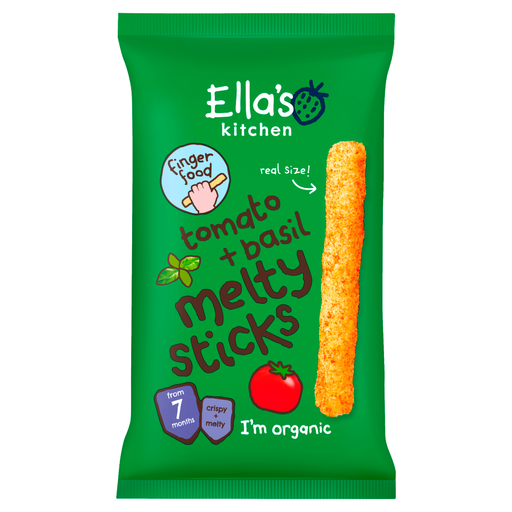 No image available
For a child aged 7 months or older practising self-feeding, follow the direction to serve these while the child is seated and supervised. Check the current pack for gluten, soya and milk warnings and against any nursery policy.
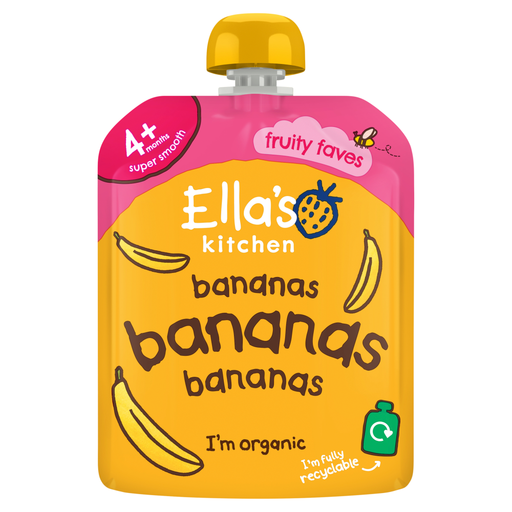 No image available
For a fruit-based option rather than confectionery, this pouch is labelled for ages 4 months and over. Serve it into a bowl or onto a spoon as directed; its naturally occurring sugars are not absent.
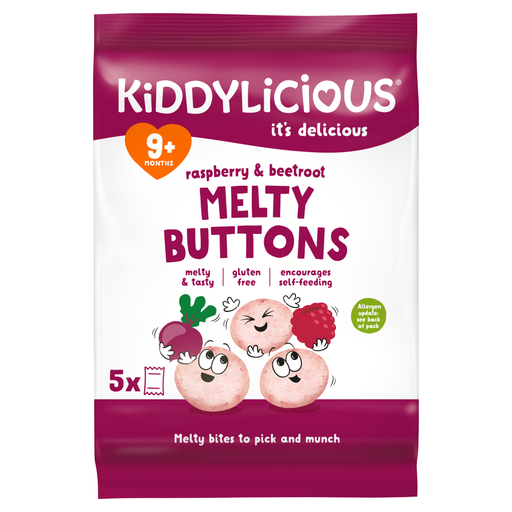 No image available
For a child aged 9 months or older practising self-feeding, the pack contains five 6g portions. Serve while the child is seated and supervised, and check the current pack for allergens before use or nursery packing.
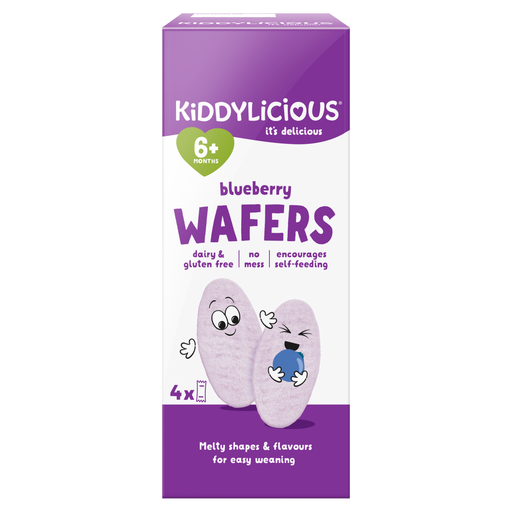 No image available
Consider these four 4g portions only for a child aged 6 months or older who can manage firmer textures, with upright, supervised eating. The product includes corn syrup and lists milk and cereals containing gluten; check the current pack and any nursery policy.
Choose another food for ordinary toddler snack time. The NHS suggests fruit, plain unsweetened yoghurt, toast, crackers and breadsticks for young children, and advises avoiding foods and drinks with sugar or sweeteners for children aged four or younger. A confectionery box is better treated as a separate household gift.
Check the nursery or childminder’s policy before sending them. The NHS notes that some nurseries may be peanut- or nut-free; also read the exact pack for ingredients and any allergen or cross-contact warnings relevant to children at the setting.
Do not give whole nuts to a child under five: the NHS identifies them as a choking risk. Check the individual chocolates as well as the pack’s allergen information before a box is shared around a toddler.
Do not assume a single rule applies to every setting and event. The Department for Education’s September 2026 school-food guidance describes requirements for food and drink provided in state-funded schools in England; it says proposed changes for September 2027 remain subject to Parliamentary approval. Check the nation, setting and current written food policy for the event in question.
Follow the instructions on the exact pack. Marks & Spencer says its Clotted Cream Fudge should be eaten within seven days of opening; instructions for another product or variant may differ.