What to check before buying
Decide whether the tuna will be a cold ingredient or a cooked dish, then check the pack format and handling instructions against that plan.
| Concern |
What to check |
Who this matters to |
| Make-ahead preparation |
Check for ready-to-eat or no-drain wording, and use the stated net or drained weight to plan the dishes. |
If I am assembling salads and sandwich fillings before guests arrive, I need tuna that fits a cold-serving plan without cooking. About 42% of consumers put that preparation need first. |
| Cooked-fillet presentation |
Check whether the fillets are raw, their cooking instructions and their chilled-storage requirements. |
For a sliced tuna dish, I can make time to cook the fillets and keep them chilled beforehand. That cooked-centrepiece need comes first for about 33% of consumers. |
| Ingredients and guest needs |
Compare packing liquid and per-100g values; check the fish-allergen declaration and any certification wording on the exact pack. |
When choosing tuna for guests, I want to check ingredients, nutrition and sourcing before settling on a product. About 25% of consumers make those checks their primary concern. |
For a concrete per-100g comparison, Sainsbury's lists 6.0g fat and 165kcal for its 120g tuna in sunflower oil, against less than 0.5g fat and 116kcal for its 120g brine version. Those figures describe the named products, not every oil- or brine-packed tin.
Tuna products on Joybuy
These selections cover tinned tuna for buffet dishes and frozen tuna steaks for a cooked dish. Check each pack's preparation and storage instructions before deciding how to serve it.
 Image unavailable
Tropical Sun Tuna Steaks in Sunflower Oil
For a cold salad or sandwich filling where sunflower oil suits the recipe. The listing describes this tuna as ready to eat; its nutrition values refer to 100g drained. After opening, transfer unused contents to a non-metallic container, refrigerate and use within 24 hours, as the listing instructs.
View on Joybuy
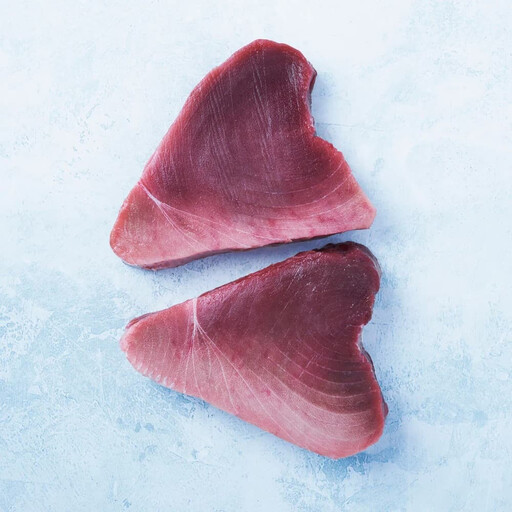 Image unavailable
Super Frozen Tuna Steaks, 2 x 130g
For a cooked tuna-steak dish when you can plan freezer space, thawing and preparation time. The listing specifies frozen storage at −18°C or colder; once thawed, do not refreeze and use within 48 hours. Follow the pack's cooking and handling instructions rather than treating its sashimi-grade wording as a serving instruction.
View on Joybuy
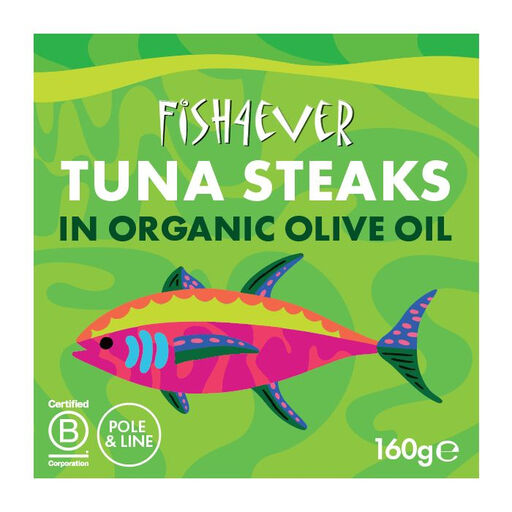 Image unavailable
Fish4ever Tuna Steaks in Organic Olive Oil 160g
For salads, pasta or bread when olive oil fits the dish. Check the exact pack's serving instructions before using the tuna in a cold buffet, and follow its directions for storing opened contents.
View on Joybuy
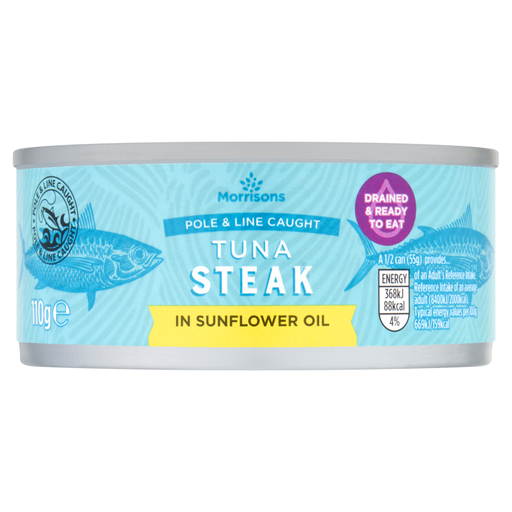 Image unavailable
Morrisons Tuna Steaks with Sunflower Oil 110g
For salads or sandwiches where sunflower-oil-packed tuna suits the recipe. The product title and description differ on whether draining is needed, so check the pack format, serving instructions and post-opening storage directions before planning preparation.
View on Joybuy
 Image unavailable
John West No Drain Tuna Chunks in Springwater 3 x 100g
For salads or sandwiches when avoiding a draining step is useful. These are chunks, not tuna steaks or raw fillets. Check the exact pack's serving instructions; the listing directs users to refrigerate opened tuna and use it within two days.
View on Joybuy
Common questions
Can I serve chilled tuna fillets straight from the pack?
Follow the instructions for the fillets you buy rather than assuming they are ready to serve. Marks & Spencer states that its raw yellowfin tuna steaks must be cooked.
How should I keep leftover tinned tuna?
Follow the exact tin's post-opening instructions. For its spring-water tuna steak, Marks & Spencer directs buyers to transfer unused contents to a non-metallic container, refrigerate them and eat them within two days.
Should I choose tuna in brine or oil for a salad?
Choose according to how the packing liquid fits your dressing, then compare the exact products' ingredients and per-100g panels. Sainsbury's lists 6.0g fat and 165kcal per 100g for its 120g sunflower-oil tuna steak, compared with less than 0.5g fat and 116kcal for its 120g brine version.
What information should guests with a fish allergy have?
Tuna is fish, so keep the exact product's ingredient and allergen information available when serving a prepared dish. Check every product used in a mixed filling rather than relying on the tuna tin alone.
Does NHS guidance set a weekly tuna limit during pregnancy?
Yes. The NHS advises people who are pregnant or trying for a baby to have no more than four cans of tuna or two tuna steaks a week. That limit concerns tuna eaten across the week, not just at the buffet.


