
24/7 Customer Support

Free returns

Same-day & Next-day Delivery

Quality Guaranteed

Unlock Your Welcome Offers: FREE Delivery | Up to 80% OFF | Free 30-day JoyPlus trial
Download the APP
The aroma of freshly baked bread is one of life’s simple pleasures, and more of us in the UK are discovering the satisfaction of making it at home. Whether you are a seasoned baker or just starting, the market for bread baking supplies can be confusing. It is easy to end up with a cupboard full of mismatched ingredients and tools that do not deliver the promised results.
As the Joybuy Product Recommendation Officer, my role is to help you navigate the options. We will look past the marketing hype to focus on what truly matters, ensuring you choose supplies that fit your needs and help you bake with confidence. Let's break down the common traps and identify the key features to look for.
To avoid these issues, focus on a few non-negotiable factors. Understanding these will help you select the right home baking ingredients and tools every time.
The single most important ingredient is your flour. The key specification to check is the protein content, typically listed in the nutritional information per 100g.
Your equipment is just as important as your ingredients.
Instead of a one-size-fits-all approach, we have matched some popular products to different types of home bakers and cooks.
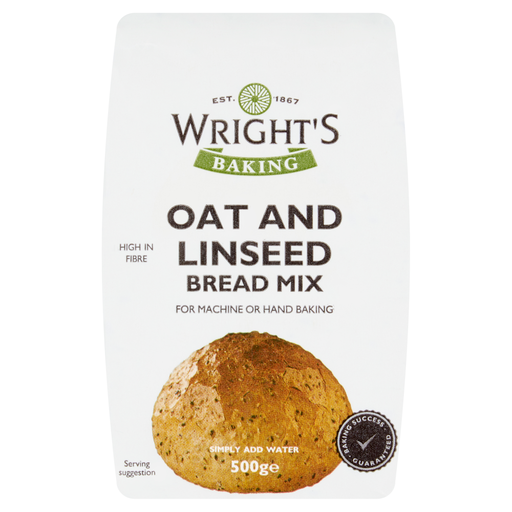
Why This Fits Their Persona: Perfect for those new to baking or with limited time. It removes the guesswork of measuring flour, yeast and salt, guaranteeing a successful, flavourful loaf with minimal effort. It works in a bread machine or by hand.
This mix completely bypasses the "wrong flour" pitfall. The blend of wheat flour, oats and linseed is perfectly balanced for a great texture and rise, so you don't need to worry about protein content.
Just add water for a consistently successful bake. It's high in fibre and produces a wholesome, tasty loaf. Other varieties like the classic White Bread Mix or the savoury Cheddar Cheese & Sundried Tomato are also available.
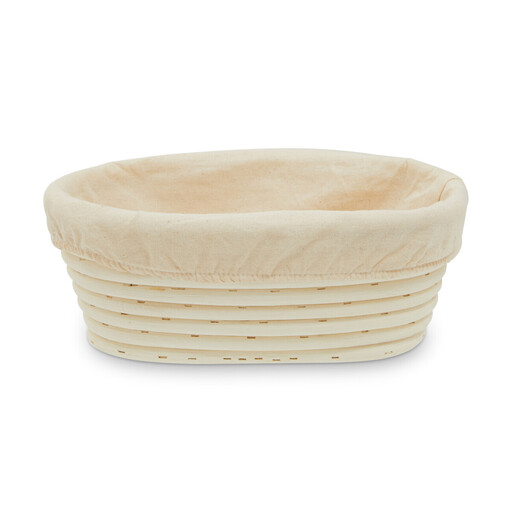
Why This Fits Their Persona: For the baker who has mastered the basics and wants to create crusty, artisan-style loaves. This tool is essential for shaping the dough and achieving the professional finish seen in bakeries.
This avoids the "flimsy bakeware" trap. It is handwoven from sustainable rattan, a material chosen for its functional properties—not just its looks. It is a genuine baking tool, not a simple kitchen accessory.
The natural rattan helps to form a skin on the dough by wicking away moisture, which leads to a better crust. It also includes a removable liner for easy cleaning after use.
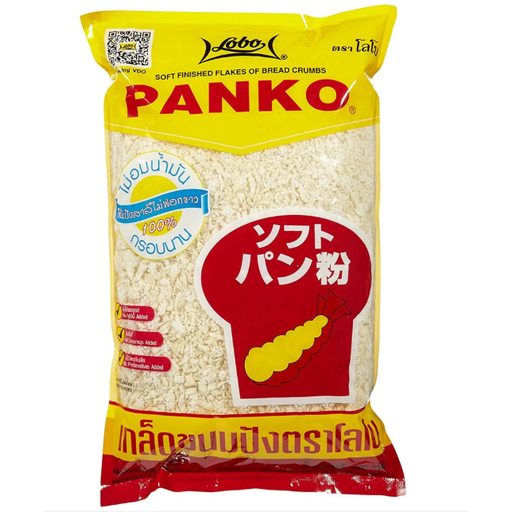
Why This Fits Their Persona: For the cook who wants to achieve a restaurant-quality crunch on fried dishes like chicken katsu or fish. This is a versatile pantry staple that elevates everyday meals, from fried starters to crispy casserole toppings.
This product avoids the trap of using generic, dense bread crumbs for frying. Panko is specifically engineered to be light and flaky, absorbing less oil and creating a far superior crispy texture that doesn't go soggy.
It delivers an ultra-crisp, light coating that stays crunchy. The large 1kg resealable pack offers great value and convenience for regular use in a busy family kitchen.
From convenient meal accompaniments like Morrisons 6 Cheesy Garlic Bread Slices to staples for Asian cuisine such as I MEI Milky Steamed Bread, the world of bread products is vast. By focusing on quality ingredients and fit-for-purpose tools, you can ensure every purchase is a useful one.
We have compiled a complete, real-time list of products that fully satisfy these strict selection criteria and UK safety regulations.
1. What is the real difference between 'strong' and 'very strong' bread flour? The main difference is the protein content. Strong bread flour typically contains around 12g of protein per 100g, which is excellent for most standard bread recipes. Very strong bread flour has an even higher protein content, often 14g or more. This creates a more robust gluten structure, making it particularly suitable for heavy, dense doughs like those made with wholemeal bread flour or packed with seeds and fruit.
2. Do I really need a bread proofing basket to make good bread? While not strictly essential, a bread proofing basket (or banneton) is a key piece of artisan bread making tools that significantly improves the final result of crusty loaves. Its primary function is to support the dough during its final rise and to wick away a small amount of moisture from the surface. This helps the loaf hold its shape and develops a better crust during baking. A simple alternative is a bowl lined with a heavily floured tea towel, but a rattan basket provides superior results.
3. Are bread mixes worth the cost? For beginners, a bread mix is an excellent investment. It provides convenience and consistency by taking the guesswork out of measuring ingredients like yeast and salt. This helps build confidence. For more experienced bakers, buying individual home baking ingredients like flour, yeast and salt separately offers greater control over the final product and can be more economical if you bake frequently.