Roll makers who shape and oven-bake
You want a machine to mix and initially prove dough, then plan to divide, shape and bake the rolls yourself. A dough cycle matters more to this task than settings for the crust of a machine-baked loaf.


For rolls you will shape and bake in an oven, choose a bread maker with a Dough programme or manual kneading and rising controls. Match your recipe’s dough quantity to the model instructions and its footprint to the space available; a loaf-size label does not tell you how many rolls it makes. In a shared kitchen, plan cleaning and safe power use separately, and do not treat a gluten-free setting as protection against allergen cross-contact.
You want a machine to mix and initially prove dough, then plan to divide, shape and bake the rolls yourself. A dough cycle matters more to this task than settings for the crust of a machine-baked loaf.
You make dough for several people and need to balance recipe quantity with worktop space, storage and time for shaping. Panasonic’s loaf-size guide can help compare machine scale, but your recipe and the exact model instructions are needed to plan a batch.
You share ingredients or equipment and need a cleaning and separation routine that fits how the kitchen is used. A programme name cannot establish whether that routine controls allergen cross-contact.
Start with the dough workflow, then check whether the recipe quantity and appliance fit the shared space. Settle cleaning and power arrangements before relying on the machine for regular batches.
| Concern | What to check | Who this matters to |
|---|---|---|
| Dough workflow | Look for an exact-model Dough programme or manual kneading and rising controls; check the recipe’s shaping and final-proof steps. | If I want the machine to prepare dough but will shape and oven-bake the rolls myself, I need a clear point at which to take the dough out. Around 45% of consumers put that dough workflow first. |
| Batch and space | Compare the recipe quantity with the model instructions, and measure the worktop and storage space. | Making rolls for several people means I need a useful batch without occupying shared space longer than necessary; roughly 33% of consumers make batch and space fit their primary concern. |
| Shared use | Check cleaning instructions and a suitable power arrangement; plan ingredient separation where allergens matter. | When other people use the equipment, I need a repeatable way to clean it and manage shared ingredients and sockets. About 22% of consumers place safe, controlled shared use first. |
Crust settings or a viewing window do not replace the dough preparation needed for rolls that will be shaped and baked separately.
Confirm that the exact model has a Dough programme or manual dough controls, then follow your recipe and manual for shaping, any final proof and oven baking.
A stated loaf size helps compare machine scale, but roll size and recipe quantity determine the batch you can plan. A small machine may require repeated cycles, while a larger one needs more shared space.
Compare the recipe with the exact model instructions and try a batch before depending on it for a group.
A gluten-free programme does not, by itself, control ingredients or residue on shared equipment. Food-business use also calls for allergen-management procedures appropriate to the operation.
Plan cleaning, ingredient storage and equipment sharing around the people using the kitchen. If rolls are supplied through a food business, follow the applicable food-authority guidance; GOV.UK and Food Standards Scotland publish guidance for their respective contexts.
Several kitchen appliances drawing power through one extension device can create an overheating risk.
Use a suitable wall socket where possible. Electrical Safety First advises checking an extension device’s rating, avoiding overload and never daisy-chaining extension leads; do not use damaged equipment.
The Fastbake Breadmaker is a reference point for a preset Dough programme.
Its cited models illustrate a choice between manual dough controls and a compact machine with a dough programme.
The Touchscreen Bread Maker provides a feature-comparison reference, rather than a currently purchasable model.
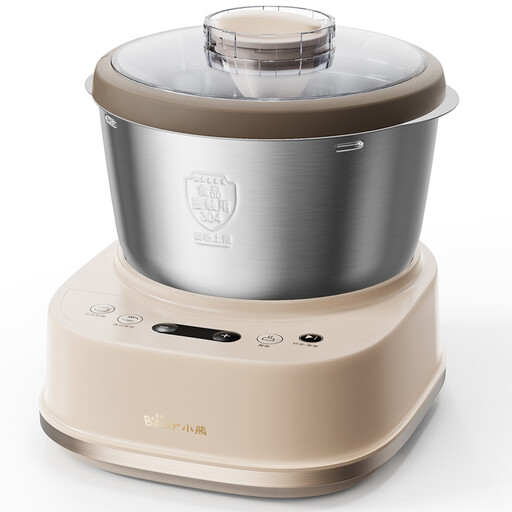
This dough maker is an option for preparing roll dough before you shape and oven-bake it. It is not presented as a bread maker that bakes loaves.
 No image available
For preparing dough before separately shaping and oven-baking rolls, this model lists a 5 L capacity and kneading for up to 2.5 kg of dough. Check the model instructions against your recipe; confirm the bowl-cleaning method and plug suitability before using it in a shared UK kitchen.
A Dough programme is a straightforward option, but a model with manual kneading and rising controls can also prepare dough when you need to adjust recipe timing. In either case, remove and shape the dough, follow any final-proof instructions and bake the rolls in an oven.
No. Loaf-size ratings indicate machine scale, not a roll count. Compare your dough recipe with the exact model instructions and try a batch before planning rolls for a group.
No allergy-safe conclusion follows from the programme name alone. Cleaning, ingredient separation and how the equipment is shared all matter; if food is supplied through a food business, use the allergen-management guidance applicable to that operation rather than relying on the appliance setting.
Use one only if its marked rating and the combined load of connected appliances make the setup suitable. Electrical Safety First advises against overloading or daisy-chaining extension devices, and damaged leads or equipment should not be used.