Regular family hosts
If rolls share the menu with a roast, sides or dessert, separate oven cavities give you room to manage dishes with different timings or temperatures.


Choose a double oven if you regularly need bread rolls and other dishes cooking separately; for batches of rolls alone, a single fan oven with a model-specific multi-level baking function may be enough. Steam-assisted baking is an option if you particularly want to compare bread-focused functions, but check the exact model’s housing fit and electrical connection before ordering.
If rolls share the menu with a roast, sides or dessert, separate oven cavities give you room to manage dishes with different timings or temperatures.
If rolls are the main task, compare the exact model’s supported cooking levels, shelf arrangements and cavity dimensions before deciding whether you need a second oven.
If a dedicated steam-baking function interests you, compare how it operates on the exact model rather than assuming that every fan oven adds steam.
Decide whether you need separate space for the rest of the meal before comparing multi-level baking and optional steam functions for the rolls.
| Concern | What to check | Who this matters to |
|---|---|---|
| Space for the whole meal | Compare cavity count and usable shelf positions; check that the oven fits its intended housing. | If rolls must cook while other dishes need different timings or temperatures, separate cavities are my priority. Around 40% of consumers put space for simultaneous cooking first. |
| Several trays of rolls | Check the exact model’s stated number of cooking levels and its guidance on tray positions. | I want to bake several trays in one session without assuming that any fan setting works equally across shelves. For around 30% of consumers, multi-level baking is the primary concern. |
| Steam-baking function | Confirm a dedicated steam-bake setting and read its operating and cleaning instructions. | If I am choosing an oven partly for bread, I want to know whether it can add steam during baking. Around 20% of consumers place that bread-focused function first. |
| Day-to-day upkeep | Identify the exact cleaning system and check the installation requirements before choosing. | When gatherings are occasional, I would rather choose cleaning and ownership features I will use regularly. Those practicalities come first for around 10% of consumers. |
A litre figure does not tell you how many roll trays can be used together or whether another dish can cook separately.
Compare the number of cavities, supported cooking levels, supplied accessories and cabinet dimensions before using capacity to decide.
Manufacturers’ multi-level claims apply to specified systems and models, not every oven with a fan setting.
Check the exact model’s supported levels, then follow its instructions for tray placement and cooking.
A built-in oven may require an installation arrangement different from the appliance it replaces.
Check the rated load, connection type and installation instructions, and arrange an assessment of the kitchen supply where needed.
Installation and removal can also require separate arrangements.
Pyrolytic cycles, steam-assisted cleaning, enamel surfaces and removable doors involve different routines.
Choose a routine you are prepared to use and confirm the feature on the exact model.
Worth comparing when you need a built-in double oven for a larger menu or are considering a single oven with a specified hot-air function.
Relevant if a full-size built-in single oven with a stated multi-level baking function suits your roll batches.
Relevant when you want to compare multi-level cooking, cleaning systems or a dedicated steam-baking function in a single oven.
Relevant to occasional hosts comparing a conventional built-in single oven with fan cooking and cleaning features.
These built-in and built-under ovens offer double-cavity options for cooking rolls alongside other dishes, plus single-cavity options to consider when roll baking is the main task. Check each model’s installation instructions and supported shelf use against your kitchen and menu.
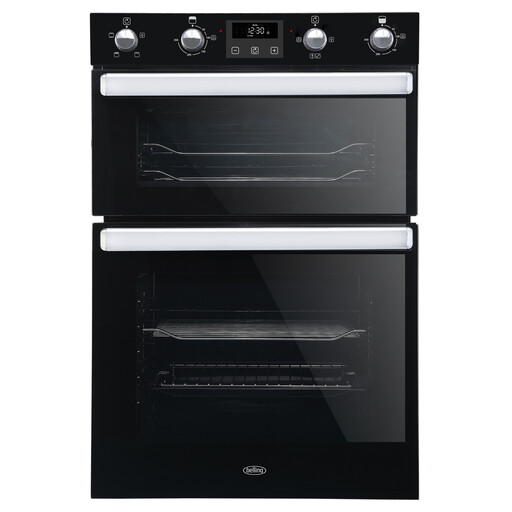 Image unavailable
Consider this double-cavity format when rolls need to cook alongside other dishes. Check the model instructions for simultaneous tray use, and confirm the housing fit and electrical connection.
 Image unavailable
The double-cavity format is relevant when the gathering menu needs separate cooking space. Its 90 cm product designation is not a substitute for checking the required housing dimensions; also confirm the hardwired connection and the instructions for baking on several shelves.
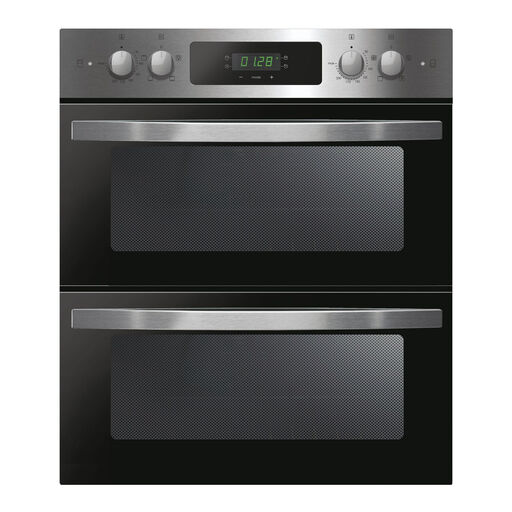 Image unavailable
A built-under double oven is an option when you want separate cooking space beneath the worktop. Confirm both cavities’ usable dimensions, the supported tray arrangement and the electrical and housing requirements before ordering.
 Image unavailable
For rolls as the main baking task, Bosch states that this model’s 3D Hotair supports cooking on up to three levels. It has one cavity, so dishes needing different temperatures cannot cook separately; confirm tray guidance, housing fit and the stated hardwired connection before purchase.
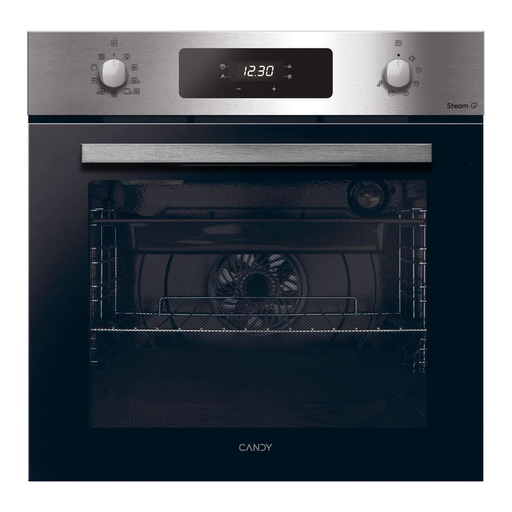 Image unavailable
Consider this single-cavity oven if the roll batch is the main cooking task and pyrolytic cleaning matters to you. Check the model instructions before planning simultaneous trays; confirm the housing dimensions and electrical connection as well.
No: a single fan oven with a model-specific multi-level baking function may suit several trays of rolls. A double oven becomes more useful when rolls and other dishes need separate cavities or different cooking temperatures.
No, steam assistance is an optional feature rather than a requirement for baking rolls. If it interests you, check how the exact model adds steam and follow its bread-baking instructions; AEG describes its GA5PB501AB SteamBake function as adding humidity during baking.
Check the exact oven’s housing dimensions, rated electrical load, connection type and installation instructions against your kitchen. Some built-in models, including the cited NEFF B54CR71N0B and Bosch HBS534BS0B, are specified without a plug and with an electrician connection; arrange an appropriate assessment rather than assuming a replacement will connect in the same way.
Check that the listing and product documents identify the exact model and provide its installation, operating and safety instructions. Those documents are also the place to confirm supported shelf positions, cleaning routines and connection requirements.