Regular bread-roll bakers
If rolls are a frequent bake, you may want to compare multi-level baking functions and check whether the exact model offers added steam, bread baking or dough proving. Those functions differ between models.


For an occasional small batch, consider a countertop mini oven if your roll tray fits; for regular batches, a built-in single fan oven offers a full-sized route when your housing and electrical supply allow it. A built-in double oven is worth considering when rolls and other picnic dishes need separate cooking schedules, but it requires space for a taller installation.
If rolls are a frequent bake, you may want to compare multi-level baking functions and check whether the exact model offers added steam, bread baking or dough proving. Those functions differ between models.
If you need several trays of rolls or are cooking other picnic food at the same time, usable shelf space and the choice between one cavity and two matter more than a bread programme alone.
If you want a small batch without installing an oven, compare a countertop model’s worktop footprint with the space inside it for your baking tray.
Choose when: You bake a small batch occasionally and do not want a permanent built-in appliance.
Trade-off: Its interior may restrict the size of tray you can use, even when the appliance fits on your worktop.
Choose when: You bake rolls regularly and have suitable housing for a full-sized single cavity.
Trade-off: Rolls and other dishes share one cavity, so their cooking schedules may need coordinating.
Choose when: Rolls and other picnic dishes regularly need separate cooking times or temperatures.
Trade-off: A taller housing space is needed, and the two cavities may have different cooking functions.
| Concern | What to check | Who this matters to |
|---|---|---|
| Even baking and bread results | Check the exact model’s fan or hot-air functions and stated baking levels. If you bake bread often, check whether added steam, bread baking or dough proving is included. | If I bake rolls regularly, I want to know whether different trays will brown consistently, rather than relying on a function name alone. Around 38% of consumers would put consistent bread results first. |
| Batch size and timing | Compare your tray’s width and depth with usable shelf space; for a double oven, check the cooking functions in each cavity. | When rolls and other picnic dishes need to be ready together, I care about how much I can cook without forcing everything onto one schedule. That is the primary concern for around 31% of consumers. |
| Space and installation | Measure worktop or housing space and check the exact model’s electrical connection and installation instructions. | I need an oven that fits my kitchen and can be connected appropriately before its baking functions are useful to me. Roughly 31% of consumers would make fit and installation their first concern. |
A named function tells you what a model offers, not how evenly it will brown your rolls. Which? assesses factors including heat distribution and control accuracy when testing built-in ovens.
Check the exact model’s stated baking levels, then consult independent performance information where available.
A single oven and a taller double oven need different housing space, and the electrical connection depends on the model.
Measure the aperture, consult the installation drawing and check the electrical requirements. Electrical Safety First advises having an oven fitted by a qualified electrician.
Changes to cabinetry or electrical installation may add work before the oven can be used.
Capacity alone does not tell you whether your tray fits. De'Longhi specifies a 26 cm maximum round plate for its 12-litre EO12012 countertop model.
Measure the tray you intend to use and compare it with the oven’s usable shelf width and depth. Check stated multi-level support if you plan to bake more than one tray at once.
An energy class on its own is not a complete comparison of how different ovens will fit your cooking habits; cavity size, cooking mode and frequency of use also matter.
Compare the energy label and product information sheet for the exact models on your shortlist.
Relevant if you are comparing built-in ovens with multi-level hot-air baking or model-specific added steam.
Relevant when comparing a multi-level single oven with a double-oven layout.
Relevant if you want to compare a full-sized built-in fan oven with a stated large cavity.
Relevant to frequent bread bakers considering dedicated bread and dough functions.
Relevant if a compact countertop appliance suits an occasional small batch.
These built-in single and double ovens are options to compare if you have suitable housing. For a small occasional batch without built-in installation, use the countertop criteria above when considering that format.
 No image available
Consider this single-oven format for regular roll baking if it suits your housing. Check whether your trays fit its usable shelves and confirm the electrical connection before ordering.
 No image available
The double-oven format is worth considering when rolls and another picnic dish need separate cooking schedules. Check tray fit in the cavity you intend to use, as well as the housing aperture and electrical connection.
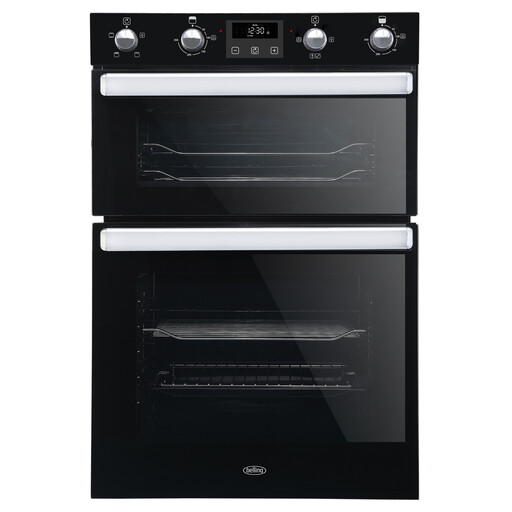 No image available
This double-oven option suits a kitchen plan that calls for separate roll and other-dish cooking. Check usable tray space, installation dimensions and connection requirements for this model before choosing it.
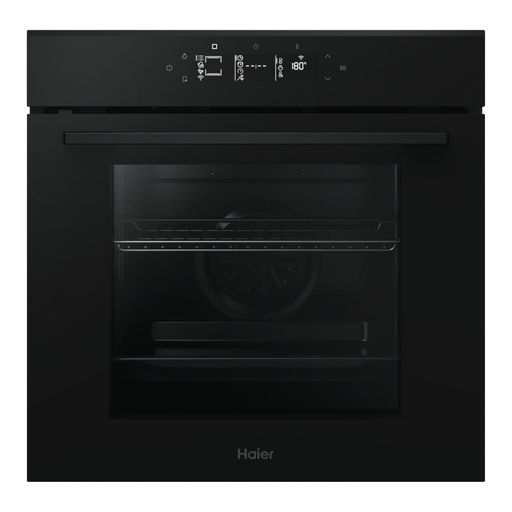 No image available
Consider this single oven if its built-in format and stated multilevel mode fit your baking plans. Confirm the usable shelf arrangement and whether this model’s maximum temperature is 240°C or 300°C; also check its installation requirements.
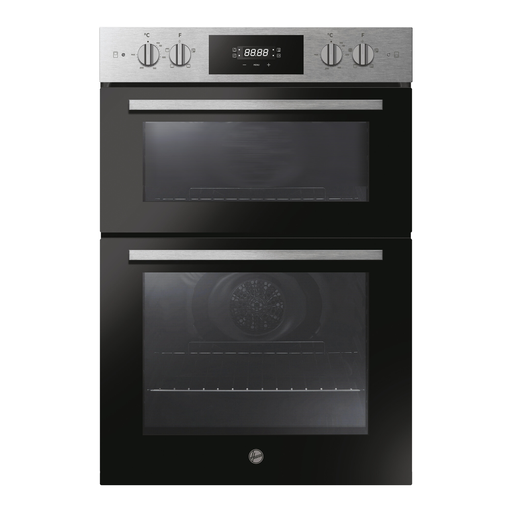 No image available
The two-cavity layout is relevant if rolls and another dish need separate cooking time. Before planning installation, confirm whether the exact model is electric or dual-fuel, then check its connection requirements and usable tray dimensions.
It can be enough for a small batch if your roll tray fits inside. De'Longhi specifies a 26 cm maximum round plate for its 12-litre EO12012, so compare usable interior dimensions rather than relying on the litre figure.
No; added steam is an optional feature to consider if you bake bread frequently. Bosch’s HQA574BB3B uses an added-steam water bowl, while AEG lists Bread baking and Dough proving for its NPE7C61B. Check the function on the exact model alongside its baking levels and tray space.
Check the exact model’s installation instructions and connection requirements before ordering. Electrical Safety First advises having an oven fitted by a qualified electrician and reviewing its power requirements; named Bosch and Neff built-in models specify electrician connection.
Yes; compare the energy label and product information sheet for the exact ovens you are considering. Also account for the cavity and cooking modes you expect to use, rather than treating an energy class alone as your likely electricity use.