
24/7 Customer Support

Free returns

Same-day & Next-day Delivery

Quality Guaranteed

Unlock Your Welcome Offers: FREE Delivery | Up to 80% OFF | Free 30-day JoyPlus trial
Download the APP
Breadcrumbs can turn a simple dinner into a crunchy coating, golden topping or quick family favourite. However, the packet that looks most impressive on the shelf is not always the right choice for your recipe. UK shoppers should consider texture, allergens, storage and cooking instructions before adding breadcrumbs or ready-breaded food to their basket.
Fine traditional breadcrumbs form an even, compact coating, while panko breadcrumbs are larger and more irregular. Japanese breadcrumbs usually create a lighter, airier crunch, making them suitable for katsu, fish fillets, prawns and vegetables.
A product described as “crispy” may still produce a dense coating if the crumb is fine or becomes wet during preparation. For a crunchier finish, check whether the product is labelled panko or Japanese-style and follow the recommended cooking method.
Many standard breadcrumbs contain wheat or gluten. Ready-breaded products may also contain soya, milk, egg, molluscs or crustaceans. A product that appears suitable for a vegetarian meal may not meet vegan requirements because of its ingredients or preparation.
If you need gluten-free breadcrumbs, vegan breadcrumbs or a product suitable for a specific allergy, read the full ingredient list and allergen declaration on the packaging. Recipes and formulations can change, so the packet should take priority over older online information.
Dry breadcrumbs require you to prepare the food, coat it and cook it thoroughly. Frozen breaded chicken, breaded seafood and crumbed prawns are more convenient, but they may be supplied raw and must be cooked according to the packaging instructions.
Do not eat dry breadcrumbs raw and do not assume that a browned coating means the centre is ready. Cooking appliances vary, so check the product instructions and ensure food is piping hot throughout before serving.
For breadcrumbs for chicken, panko can provide a more noticeable crunch, while a finer crumb may adhere closely to smaller pieces. For breadcrumbs for fish, prawns or vegetables, consider whether the coating needs to remain light enough for delicate ingredients.
Check the flour base, oils, seasonings and raising agents. A gluten-free product may use rice flour, gram flour or maize starch instead of wheat. For example, Morrisons Free From Breadcrumbs uses rice flour, gram flour and maize starch, and is described as suitable for vegans and vegetarians.
For vegan cooking, use a plant-based egg alternative or another suitable coating method. For any allergy-related purchase, verify the current packaging and look for clearly declared allergens such as wheat, gluten, soya, molluscs and crustaceans.
A 200g pack may suit occasional cooking, while a 1kg bag is more practical for meal planners or frequent frying and baking. Once opened, dry breadcrumbs should be sealed in an airtight container and stored in a cool, dry place to help preserve crispness.
Frozen products need a freezer temperature of -18°C or below, should not be refrozen after thawing and generally need to be cooked from frozen. Always follow the instructions supplied with the product rather than relying on a general cooking time.
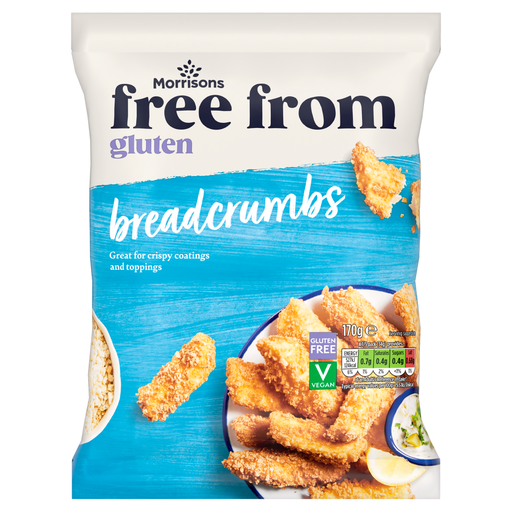
Why This Fits Their Persona: A practical smaller pack for UK households trying gluten-free or vegan coating recipes without committing to a large bag.
Its listed ingredients are rice flour, gram flour and maize starch rather than wheat flour. Check the latest pack before purchase if dietary exclusion is essential.
170g size; suitable for coatings and toppings; described as suitable for vegans and vegetarians.
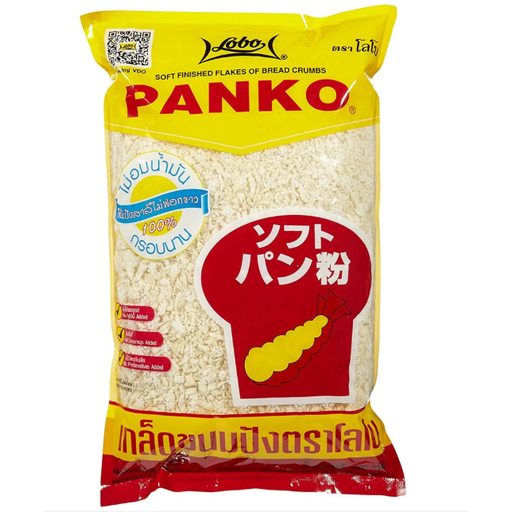
Why This Fits Their Persona: A large-format option for cooks preparing katsu, fried chicken, seafood and vegetable dishes regularly.
The product is identified as Japanese-style panko, so shoppers can distinguish its flaked format from fine breadcrumbs.
1kg resealable pack; suitable for meat, fish, vegetables and baked toppings; contains wheat and soya.
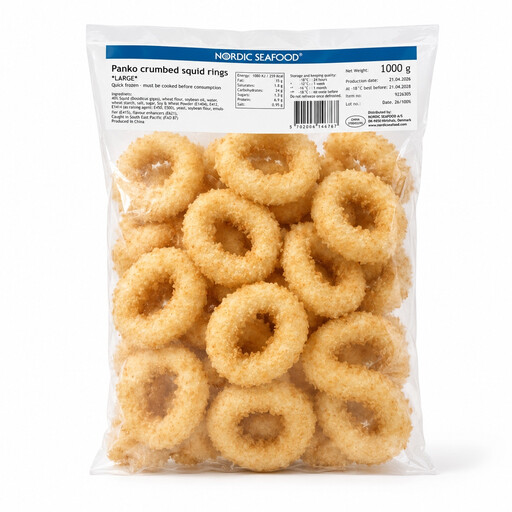
Why This Fits Their Persona: Suitable for families, sharing platters and meal planners wanting breaded seafood that cooks from frozen.
The listing states that it cooks from frozen in an oven or air fryer, while also clearly identifying molluscs, gluten and soya.
1kg pack; approximately 21–30 rings per kilogram; works as a starter, snack or sharing dish.
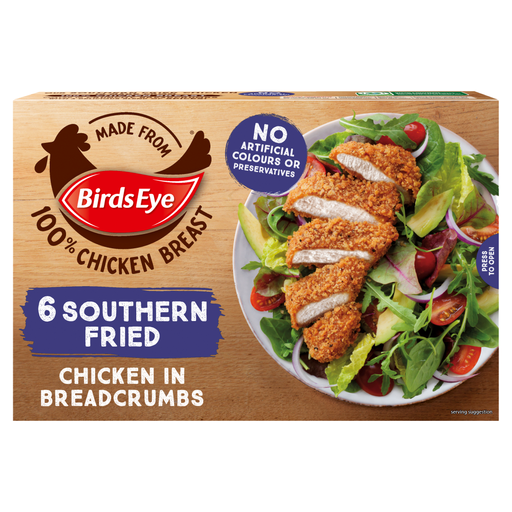
Why This Fits Their Persona: A freezer option for wraps, vegetables, chips or quick weekday plates when there is limited preparation time.
The pack gives a defined six-piece portion and states that the product contains raw meat, helping shoppers plan for thorough cooking.
540g pack; six chicken breast fillets; frozen storage at -18°C or colder; contains wheat and gluten.
Pat ingredients dry before coating, then use a consistent three-stage method: flour, beaten egg or alternative, and breadcrumbs. Press the crumb gently onto the surface without compressing it excessively. Leave coated food for a few minutes before cooking so the layer can adhere.
For toppings, add breadcrumbs near the start of baking if you want a deeper golden colour, or later if the dish has a long cooking time. Store unused dry crumbs away from moisture, and discard them if they show signs of mould, unusual odour or contamination from raw food.
We have compiled a complete, real-time list of products that fully satisfy these strict selection criteria and UK safety regulations.
Yes. Panko is generally made as larger, flakier pieces, whereas ordinary breadcrumbs are often finer and more compact. Panko is commonly used for crispy breadcrumbs on chicken, fish, prawns and vegetables.
Yes, both dry coatings and some frozen breaded foods can be prepared in an air fryer. Check the individual product instructions, avoid overcrowding the basket and confirm that meat or seafood is fully cooked before serving.
Keep them in a cool, dry place and reseal the packet or transfer the contents to an airtight container. Moisture can soften the crumb and affect the finished texture. Always follow the best-before guidance on the packaging.