Bake-sale batch planners
If you expect to make several batches, check the exact machine’s dough-recipe limit before deciding how many runs you will need. A stated loaf size is not a cinnamon-dough capacity.


Choose a breadmaker with a dough programme to mix and prove cinnamon-bun dough before shaping and oven-baking it. If you expect to adjust an enriched-dough recipe, consider manual kneading and rising controls, such as those Panasonic UK & Ireland lists for the SD-YR2550. For a larger sale, check the exact model’s dough-recipe limit rather than treating its loaf-size rating as a dough limit; a compact breadmaker may suit smaller trials, while a dedicated dough maker is an option if you do not need to bake loaves.
If you expect to make several batches, check the exact machine’s dough-recipe limit before deciding how many runs you will need. A stated loaf size is not a cinnamon-dough capacity.
If you want to adjust kneading or rising for your recipe, look for those controls on the specific model. You will still shape, final-prove and oven-bake the buns separately.
If you are testing a recipe or making a modest quantity, a compact machine may fit your counter space and batch plans better than a larger one. Check that its dough programme accommodates your recipe.
For bake-sale cinnamon buns, decide whether batch scale, recipe control or preparation timing is your main priority. Then check the exact model’s dough instructions: a loaf-size rating alone cannot tell you how much enriched dough to make in one run.
| Concern | What to check | Who this matters to |
|---|---|---|
| Batch scale | Check the manual’s maximum dough recipe and ingredient limits; do not substitute the stated loaf size. | I need enough dough per run to keep repeat batches manageable. Around 40% of consumers would put batch scale first. |
| Dough control | Look for a dough programme and, if you intend to refine the recipe, adjustable kneading and rising settings. | Getting a repeatable mix and rise matters more to me than a finished-loaf setting. Roughly 40% of consumers would make dough control their primary concern. |
| Timing and smaller batches | Check timer instructions for your ingredients and whether the machine’s format suits a test batch. | I want preparation to fit around the event without making more dough than I need. Approximately 20% of consumers would prioritise timing or smaller batches. |
A baked-loaf size does not establish how much enriched cinnamon-bun dough the machine can handle.
Check the exact model’s manual or recipe booklet for dough quantities, then test a full batch before planning sale production.
A delay timer does not mean every recipe containing milk or eggs is suitable for an unattended wait.
Follow the model’s ingredient and timer instructions. Morphy Richards advises avoiding warm liquids during delayed use and taking particular care with fresh milk.
A programme designed to produce a finished loaf does not necessarily provide the mix-and-prove sequence you want before shaping buns.
Look for a labelled dough programme. Choose adjustable kneading and rising only if you plan to test changes to your recipe.
The breadmaker does not establish what ingredient and allergen information the sale requires; how the buns are packed and sold matters.
Keep an ingredient and allergen record for each variation, and establish whether the buns will be sold loose, packed to order or packaged in advance.
A reference point if you want to compare dough programmes with model-specific recipe controls.
The Fastbake is a conventional breadmaker option for buyers seeking a dough-only programme and timer scheduling.
A breadmaker line to examine if you want preset dough functions rather than making adjustable kneading and rising a requirement.
This option is a dedicated dough maker for mixing and fermenting dough before you shape and oven-bake the buns. Choose it only if you do not need the appliance to bake loaves.
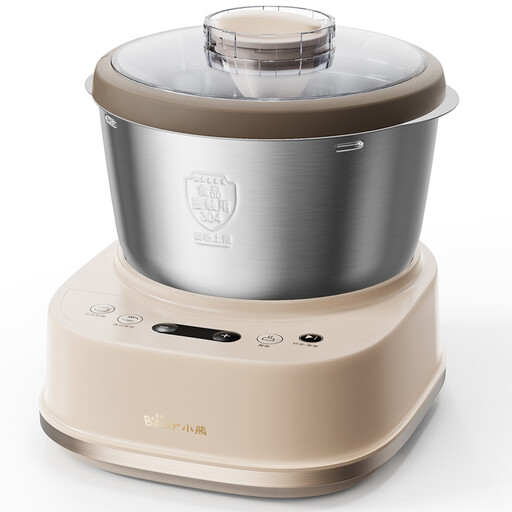 No image available
For preparing dough to shape and oven-bake separately; this is not a loaf-baking breadmaker.
The listing states a 5 L bowl and dough weight up to 2.5 kg. Check the instructions for the flour and dough limits of your particular cinnamon-bun recipe before planning batch quantities.
No. A dough programme can mix and prove the dough before you remove it to shape, final-prove and oven-bake the buns. Check the exact programme sequence; Panasonic UK & Ireland lists additional manual kneading and rising settings for the SD-YR2550.
Only use a delay when the machine instructions and your recipe permit it. Morphy Richards advises chilling fresh milk where directed and avoiding warm liquids for delayed programmes; that guidance does not establish that every egg-rich cinnamon-bun recipe is suitable for an overnight delay.
Record the food name and allergens present in each recipe. Business Companion’s guidance for England and Wales addresses information for bread and cakes sold loose or packaged at the customer’s request; base the information you give on the actual ingredients and how the buns are handled.
It can, depending on where and how the buns are packed and sold. Business Companion’s England-and-Wales guidance distinguishes prepacked food from food prepacked for direct sale; establish which arrangement applies to your event before preparing labels and allergen information.
Follow the ingredient order and measures in the instructions for your machine, and test the recipe before the sale. Morphy Richards advises adding liquids first and yeast last, and notes that too much flour can stiffen dough while too much sugar can cause an overly rapid rise.