One-batch party hosts
If you hope to prepare most or all of the dough in one session, start with the recipe’s total dough weight and the appliance’s dough limit. You will also need space and time to shape and oven-bake the rolls.


Choose a breadmaker with a dough programme if you also want to bake loaves after the party; choose a dedicated dough maker if preparing a larger batch of roll dough is the main job. Either way, check your recipe against the appliance’s documented dough limit. You will still need to divide and shape the rolls, allow any final proving the recipe requires, and bake them in an oven.
If you hope to prepare most or all of the dough in one session, start with the recipe’s total dough weight and the appliance’s dough limit. You will also need space and time to shape and oven-bake the rolls.
A breadmaker with an explicit dough programme can handle the party preparation and remain useful for baking loaves later. Check the programmes you would use rather than choosing by programme count alone.
Ask guests what they need before choosing a recipe or appliance. A gluten-free programme is a recipe option, not a guarantee that ingredients or preparation will meet an individual allergy or coeliac requirement.
Choose it when: You want to make roll dough for the party and bake loaves on other days.
Allow for: A loaf-size label does not establish the maximum batch for your roll recipe, and the machine will not produce finished individual rolls.
Choose it when: Preparing a larger batch of dough for oven-baked rolls is the main purpose.
Allow for: You still need to shape and bake the rolls, and should check any stated dough capacity against the exact recipe and model instructions.
| Concern | What to check | Who this matters to |
|---|---|---|
| Batch size | Compare your recipe’s total dough weight with the exact model’s documented dough quantity; do not use finished loaf weight as a dough limit. | If I want to make the party dough in as few cycles as possible, capacity is my starting point. Around 40% of consumers put batch size first. |
| Dough and loaf programmes | Look for an explicit dough or pizza-dough programme, then decide whether you would also use the loaf-baking functions. | I want to prepare rolls now but keep baking loaves afterwards. For around 30% of consumers, that versatility is the primary need. |
| Timing and handling | Check the dough-cycle duration, recipe instructions and cleaning requirements; follow the appliance guidance before using a delayed start. | With party preparations underway, I want to reduce hands-on kneading without losing time for shaping and baking. Roughly 20% of consumers prioritise timing and ease of handling. |
| Dietary needs | Confirm guests’ requirements, suitable ingredients and cross-contact precautions; check that any specialist programme fits the intended recipe. | If a guest has a dietary requirement, I need to plan the ingredients and preparation around it. Around 10% of consumers put dietary control first. |
Panasonic lists finished loaf sizes of 640 g–1.1 kg for larger breadmakers. That measure cannot establish how much of your roll recipe a dough cycle can mix.
Check the exact model’s recipe chart or manual for dough quantities, then plan repeat cycles if your recipe exceeds them.
A dough programme handles the machine stage, not the dividing, shaping and oven baking. Lakeland’s bread-machine mini-baguette recipe, for example, calls for the dough to be removed and divided after the programme.
Build shaping, any required final prove, baking trays and oven time into the party schedule.
A delayed cycle needs to suit both the recipe and its ingredients. Morphy Richards advises chilled fresh milk when using a delay timer and suggests considering pasteurised or UHT milk for a long delay.
Follow the exact appliance and recipe guidance rather than assuming an enriched dough can be left on delay; a same-day cycle is another option.
A programme name does not establish whether the ingredients and preparation meet a guest’s allergy or coeliac requirements.
Ask the guest what they need, check every ingredient and plan cleaning and cross-contact precautions before preparing the rolls.
Panasonic’s UK breadmaker range includes compact and larger loaf-making formats. Check the programme and recipe limits of the particular model you are considering.
The Fastbake Breadmaker is a conventional loaf-making option with a listed dough programme.
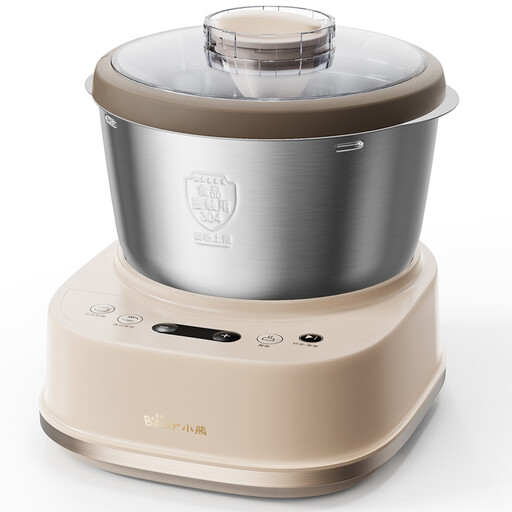
The HMJ-A50N1 is a dedicated dough maker to consider when preparing roll dough, rather than baking loaves, is the priority.
This dedicated dough maker is relevant if you plan to prepare a party batch, then shape and oven-bake the rolls yourself. Compare its stated capacity with your recipe and the exact model instructions.
 No image available
For preparing dough before you shape and oven-bake party rolls.
The listing states a 5.0 L bowl and up to 2.5 kg of dough. Check the exact model instructions and your recipe’s total dough weight before planning a single batch.
This appliance makes dough; it does not bake individual rolls.
Yes, if the model has a suitable dough programme and its instructions accommodate your recipe. Remove the dough when the programme finishes, divide and shape it, allow any recipe-required final prove, then bake the rolls in an oven.
Compare your recipe’s total dough weight or ingredient quantities with the exact model’s documented dough limits. A finished loaf-size rating is not interchangeable with dough capacity: Panasonic quotes loaf sizes for its breadmakers, while the Bear HMJ-A50N1 listing states a dough figure of up to 2.5 kg.
Use a delay only when the appliance instructions and recipe allow it. Morphy Richards advises chilled fresh milk with a delay timer and suggests considering pasteurised or UHT milk for long delays; making the dough on the day avoids relying on an unattended overnight cycle.
No suitability conclusion follows from the programme name alone. Ask the guest about their requirements, use appropriate ingredients and check how equipment and preparation surfaces will be cleaned to manage cross-contact.
Read the care instructions for the exact model, particularly for the pan and kneading parts. Morphy Richards says the Fastbake breadmaker’s baking pan, measuring cup and kneading blades must be washed by hand rather than in a dishwasher.