
24/7 Customer Support

Free returns

Same-day & Next-day Delivery

Quality Guaranteed

Unlock Your Welcome Offers: FREE Delivery | Up to 80% OFF | Free 30-day JoyPlus trial
Download the APP
Choosing breakfast cereal can look simple until you compare ingredient lists, portion sizes, allergens and preparation methods. A colourful box may not offer the texture or value you expected, while a large family-sized cereal pack can lose its crunch before it is finished.
This guide from the Joybuy Product Recommendation Officer explains what to check before buying breakfast cereal, granola, oatmeal or cereal snacks in the UK.
A family-sized cereal pack may appear economical, but compare the price per 100g rather than the shelf price alone. A 750g granola may suit a household that eats it regularly, while a 365g crunchy cereal can be more practical for occasional breakfasts or snacks.
Also check the number of servings. A pack may state 8, 16 or 20 portions, but the recommended serving may be smaller than the amount normally poured into a bowl.
These terms describe different aspects of a product. Wholegrain refers to the type of grain used; fibre is listed in the nutrition table. For comparison, the products supplied for this guide range from 3.6g to 22.9g of dietary fibre per 100g, so checking the nutrition panel is more useful than relying on front-of-pack wording.
Granola can also contain substantial amounts of sugar, oil or syrup because it is baked into clusters. For example, Fuel 10K Chunky Granola Chocolate Loaded lists 20g of sugars and 17g of fat per 100g, while Jordans Simply Granola lists 17g of sugars and 11g of fat per 100g.
Fruit and nut cereal may contain almonds, cashews, peanuts, hazelnuts, sesame, soya, milk or wheat. “May contain” statements are important for households managing allergies, particularly where products are made in facilities handling several nuts or cereals containing gluten.
Always read the current packaging before purchase. Product recipes and allergen declarations can change.
For a filling everyday option, compare dietary fibre per 100g, oat or wholegrain percentage, sugar, salt and portion energy. Xiao Tian Fruit & Nut Oat Crunch lists oat flakes at at least 47% and dietary fibre at 22.9g per 100g. Jordans Crunchy Oat Granola Fruit & Nut contains 66% wholegrain oat flakes, 17% dried fruit and 6.1g of fibre per 100g.
These figures do not determine whether a product suits every diet, but they make comparisons clearer. For chocolate granola or sweetened crunchy cereal, also check sugars and saturates rather than judging by flavour descriptions.
Not every oat cereal is eaten in the same way:
Several Family Whole products contain 20 individual 35g sachets and recommend approximately 175ml of boiling water per sachet. This is convenient for portion control and quick preparation, although the ingredient list should be checked because some varieties contain wheat, soya, sesame, non-dairy creamer or added sugar.
Ingredients are listed by weight, so the first few entries help show what makes up most of the product. Look for:
Once opened, keep cereal in a cool, dry place and reseal the bag or use an airtight container. Moisture is a common reason crunchy cereal and granola become soft.
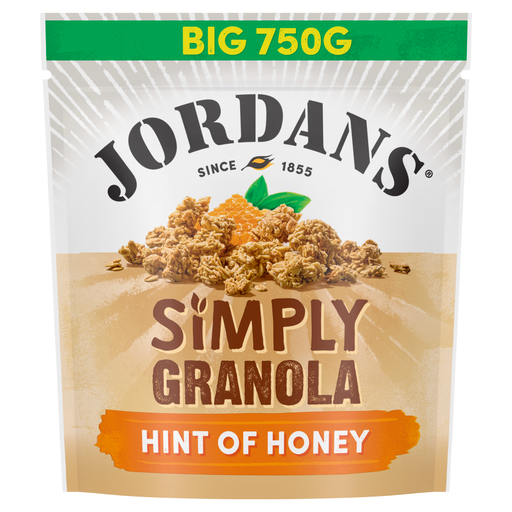
Why This Fits Their Persona: The 750g pack is suitable for regular household breakfasts and can be served with fruit, milk or yoghurt.
The label gives clear quantities, including 81% wholegrain oat flakes and 6.3g fibre per 100g, making comparison easier than relying on general health wording.
750g pack; 81% wholegrain oat flakes; resealable storage instructions; suitable for vegetarians.
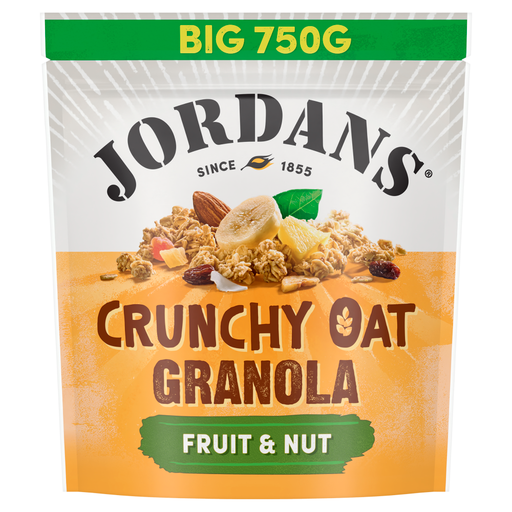
Why This Fits Their Persona: It combines crunchy oat clusters with dried fruit, coconut, seeds and almonds for shoppers prioritising texture and ingredient variety.
The ingredient declaration separates wholegrain oats, dried fruit and almonds, while the allergy advice flags possible nut and gluten contact.
66% wholegrain oat flakes; 17% dried fruit; 10g protein and 6.1g fibre per 100g.
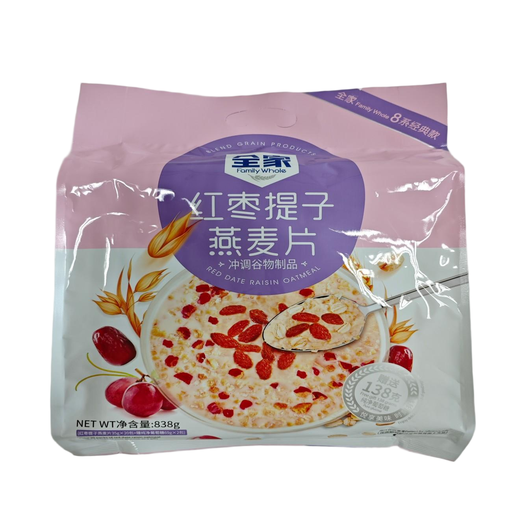
Why This Fits Their Persona: Twenty individual sachets provide a quick oatmeal option for working days, university rooms or mornings without access to kitchen scales.
The serving size is pre-portioned at 35g, with directions for approximately 175ml of boiling water. The allergen list is provided for oats, wheat, barley and soya.
20 sachets; red dates and raisins; instant preparation; 700g oatmeal plus 138g of separate glucose sachets.
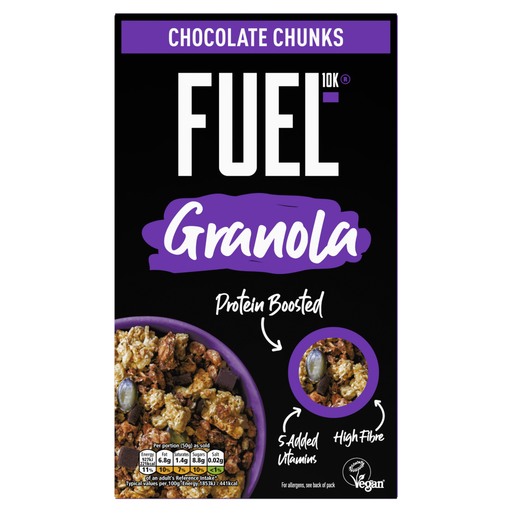
Why This Fits Their Persona: Chunky clusters and chocolate pieces work for shoppers who want one product for breakfast, yoghurt toppings or occasional cereal snacks.
The nutrition panel makes the sweetened granola profile visible: 20g sugars, 7g fibre and 459kcal per 100g. The portion should therefore be measured rather than poured freely.
55% wholegrain oats; 3% chocolate chips; 400g pack; suitable for serving with milk or yoghurt.
We have compiled a complete, real-time list of products that fully satisfy these strict selection criteria and UK safety regulations.
Granola can form part of a varied diet, but recipes differ considerably. Check sugar, fat, fibre and portion size. Products with chocolate, honey, syrup or dried fruit may be sweeter than plain oat cereal. Serving granola with yoghurt and fresh fruit can add variety without changing the product itself.
Use the best-before date as a quality guide and follow the packaging instructions. Once opened, store breakfast cereal in a cool, dry place and reseal it firmly. Granola and crunchy cereal may soften when exposed to humidity, so an airtight container can help preserve texture.
Instant oatmeal usually needs boiling water or microwave heating, so it uses a small amount of household energy. Ready-to-eat cereal requires no preparation. The practical cost depends on portion size, pack price, electricity tariff and whether the product is prepared with milk. Comparing cost per serving alongside preparation time gives a more realistic household calculation.