
24/7 Customer Support

Free returns

Same-day & Next-day Delivery

Quality Guaranteed

Unlock Your Welcome Offers: FREE Delivery | Up to 80% OFF | Free 30-day JoyPlus trial
Download the APP
Choosing breakfast cereal online can seem straightforward until you compare serving sizes, pack weights, ingredients and dietary claims. A colourful box may suit an occasional treat, while a large cereal multipack may offer better value for a busy household. The right choice depends on what you want from breakfast, how many people you are feeding and which ingredients you need to avoid.
Terms such as “wholegrain”, “multigrain” and “high-protein cereal” can be useful, but they do not tell the complete story. A cereal may contain whole grains while also being relatively high in sugar or low in fibre. Compare the per 100g nutrition panel rather than relying only on the front of the box.
For example, the supplied Weetabix Protein products provide 19g of protein and 9.9g of fibre per 100g, while Nestlé Cheerios provides 9.9g of protein and 9.6g of fibre per 100g. These figures are not directly comparable with a small bowl unless you also check the stated serving size.
A 1.1kg box or cereal multipack may reduce the cost per serving, but only if your household enjoys the flavour and can keep the cereal fresh. Check the total weight, number of packs and price per 100g. Smaller boxes can be more practical for trying a new oat cereal or multigrain cereal before committing to a larger purchase.
After opening, keep cereal sealed in a cool, dry place. This helps preserve texture and reduces the risk of stale flakes or biscuits.
“Vegetarian” and “vegan” are not interchangeable, and gluten-free cereals require careful label checking. Wheat, barley, oats, peanuts, nuts and soya may appear in ingredients or precautionary allergen statements.
Weetabix Protein is described as suitable for vegetarians and vegans, but it contains wheat and wheat gluten. Shreddies Original is also listed as suitable for vegans, while Go Free Honey Nut Flakes does not contain cereals containing gluten according to the supplied product information, but does contain peanuts and may contain nuts. Always check the packaging received, particularly where allergies, coeliac disease or cross-contamination concerns apply.
For a filling everyday option, compare protein and fibre per 100g alongside sugar. Weetabix Protein lists 19g of protein, 9.9g of fibre and 4.7g of sugars per 100g. Oatibix lists 13g of protein, 7.3g of fibre and 3.2g of sugars per 100g.
A higher-protein cereal may suit people who include breakfast within an active lifestyle, but it should still fit the rest of the day’s diet. Adding milk, yoghurt, seeds or fruit changes the overall nutritional profile.
A wholegrain cereal retains more of the grain than a refined cereal. Look at the ingredient list to see which grain appears first and in what proportion. Oatibix contains 96% whole grain oats, Shreddies Original contains 96.1% whole grain wheat and Cheerios combines wholegrain oat, wheat and barley flours.
A multigrain cereal is not automatically made entirely from whole grains, so check the wording and ingredients rather than relying on the product name.
For families, consider whether the cereal works for different preferences. A family breakfast cereal with a moderate serving size may be easier to share, while a sweet cereal with marshmallows may be more appropriate as an occasional choice.
Also check whether the pack is easy to store. Cereal multipacks can help with portion control and stock rotation, whereas a large bag or box may need an airtight container after opening.
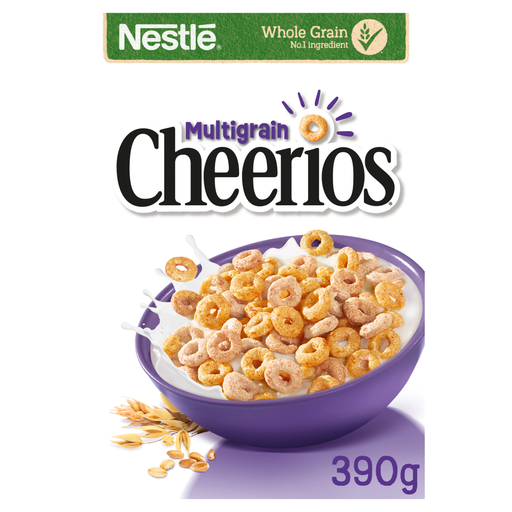
Why This Fits Their Persona: A familiar multigrain cereal for households wanting a manageable standard-size box before buying in bulk.
The listed per-30g serving makes portion comparisons clearer, while the ingredient list identifies oats, wheat and barley rather than relying only on “multigrain” wording.
Contains three whole grains, provides 9.6g of fibre per 100g and includes listed vitamins and minerals.
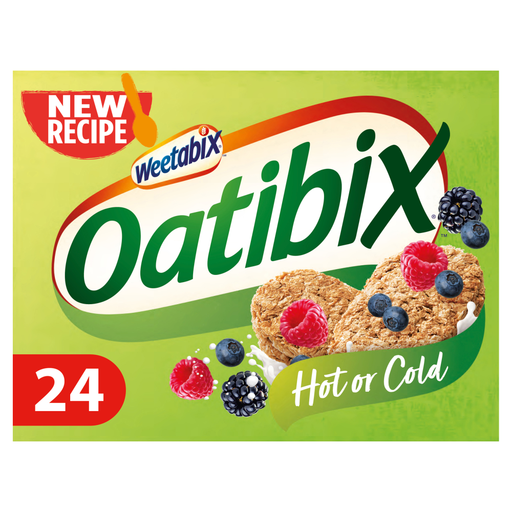
Why This Fits Their Persona: Suitable for shoppers who prefer the texture and ingredient profile of a dedicated oat cereal.
The ingredient list states 96% whole grain oats, helping shoppers distinguish it from cereals that use oats only as a minor ingredient.
Provides 13g of protein and 7.3g of fibre per 100g, with 3.2g of sugars per 100g in the supplied nutrition information.
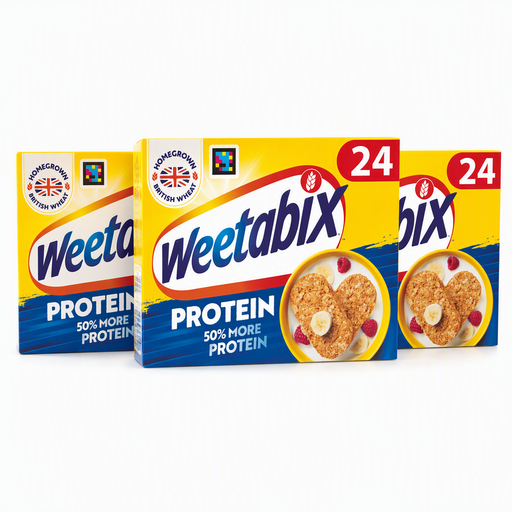
Why This Fits Their Persona: A practical stock-up option for active households or shoppers who regularly choose a higher-protein breakfast.
The 72-pack format makes the quantity visible, while the nutrition panel gives protein, fibre, sugar and salt values per 100g for straightforward comparison.
Contains 19g of protein, 9.9g of fibre and 4.7g of sugars per 100g; listed as suitable for vegetarians and vegans.
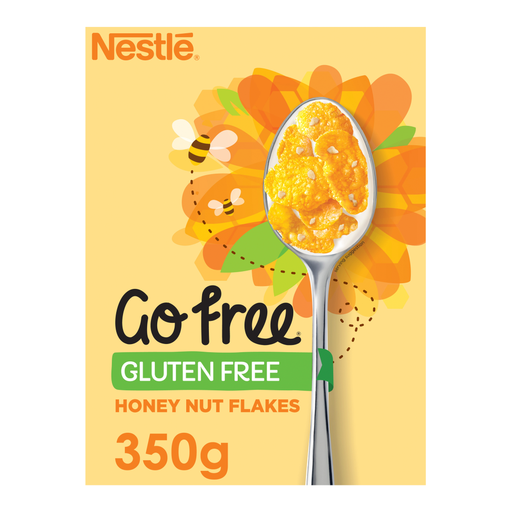
Why This Fits Their Persona: Designed for shoppers seeking a gluten-free cereal option, provided the allergen information matches their personal requirements.
The supplied information identifies the absence of gluten-containing cereals but also clearly lists peanuts and a possible nut warning, reducing the risk of overlooking a key allergen.
A corn-based gluten-free cereal option with listed B vitamins; suitable for vegetarians according to the supplied product details.
We have compiled a complete, real-time list of products that fully satisfy these strict selection criteria and UK safety regulations.
Weetabix Protein lists 19g of protein per 100g, making it one option to compare when protein content is a priority. Check the serving size and consider the protein supplied by your milk or dairy alternative as part of the complete bowl.
Keep the inner bag or container tightly sealed and store it in a cool, dry place away from strong odours. For large cereal multipacks, rotate older packs to the front and check the best-before information on each box.
No. Wholegrain describes how the grain is used, while vegan and gluten-free refer to different dietary requirements. Wheat- and barley-based cereals are unsuitable for people avoiding gluten, and recipes or manufacturing arrangements can change. Read the latest pack label and allergen statement before buying.