
24/7 Customer Support

Free returns

Same-day & Next-day Delivery

Quality Guaranteed

Unlock Your Welcome Offers: FREE Delivery | Up to 80% OFF | Free 30-day JoyPlus trial
Download the APP
Choosing breakfast cereal can seem straightforward until you compare sugar levels, portion sizes, allergens and pack formats. Bright packaging may appeal to children, while claims such as “wholegrain”, “with vitamins” or “no artificial colours or flavours” can make one product appear more suitable than another without telling the whole story.
For UK households, the right choice depends on who will eat it, how often it will be served and whether the product is intended for breakfast, lunchboxes or occasional snacking. This guide highlights common buying traps, explains the key details to check and matches a selection of breakfast cereal and toddler snack products to different household needs.
A cereal can contain wholegrain and still have a relatively high sugar content. For example, Kellogg’s Frosties lists 37g of sugars per 100g, while Nestlé Shreddies lists 13g per 100g. Both provide different eating experiences, so checking the nutrition panel is more useful than relying on front-of-pack wording alone.
Look at the per 100g column when comparing products, rather than comparing serving sizes that may differ. A stated 30g serving can also be smaller than the amount poured into a typical household bowl.
Many branded cereals, including Kellogg’s cereal products, contain added iron and B vitamins. Kellogg’s Frosties 470g provides 2.5µg of vitamin D per 30g serving, listed as 50% of the adult reference intake. However, added vitamins do not automatically mean a cereal is low in sugar, high in fibre or suitable for every age group.
Check the full nutrition table, ingredients list and the way the cereal is likely to be served. Adding fruit, yoghurt or milk may make the meal more substantial, but it does not change the cereal’s listed nutritional values.
Cereal products may contain wheat, barley, oats, milk, peanuts, soya or tree nuts. Kellogg’s Crunchy Nut products contain peanuts, while chocolate cluster cereals can include milk, soya, wheat and other allergens. Always read the bold allergen information on the current packaging, particularly if buying for a child or someone with an allergy.
Toddler snacks also need age guidance. Organix Puffcorn products listed here are intended for children aged 12+ months, and the packaging advises that children should be seated and supervised while eating.
For everyday breakfasts, compare sugars and fibre per 100g. Nestlé Shreddies 460g contains 12g of fibre per 100g and 13g of sugars, while Kellogg’s Frosties 470g contains 2g of fibre and 37g of sugars per 100g. These figures help distinguish a wholegrain cereal from a sweeter frosted cereal.
Chocolate cereal also varies considerably. Weetabix Crispy Minis Chocolate 500g lists 10g of fibre per 100g and 17g of sugars in the supplied product information, whereas Kellogg’s Krave Chocolate Hazelnut lists 3.6g of fibre and 26g of sugars per 100g. Portion guidance still matters, but the per-100g figures provide a consistent starting point.
Ingredients are listed by weight, so the first few ingredients show what makes up most of the product. Look for wholegrain wheat, whole oats or wholegrain corn if those are priorities. Then check for sugar, syrups, chocolate fillings, nuts and flavourings.
“Organic” refers to production standards rather than a guarantee that a snack is low in energy or sugar. Organix Strawberry & Apple Puffcorn, for example, is made with organic corn and rice flour and contains naturally occurring sugars, while Organix Barbeque Gruffalo Claws contains organic corn, sunflower oil and seasoning ingredients.
A larger box may suit a family breakfast routine, but only if the cereal will be eaten before its quality declines. Smaller packs can reduce waste and help households rotate flavours. Cereal multipacks and cereal variety packs offer individually portioned options for lunchboxes, travel or different preferences within one family.
For regular consumption, compare the price per 100g rather than the headline pack price. For occasional breakfast snacks, an individually wrapped portion may provide more practical value than a large open bag.
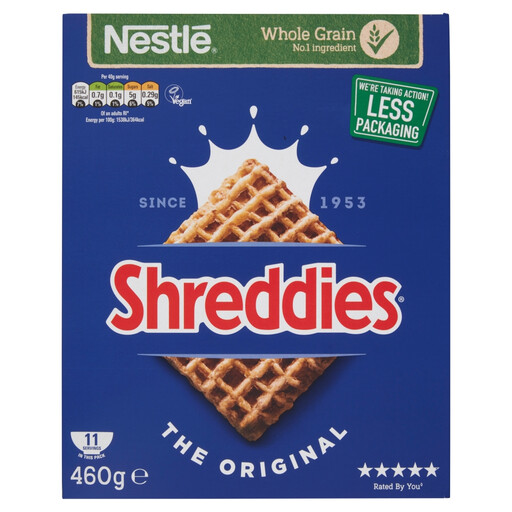
Why This Fits Their Persona: A practical option for households wanting a wholegrain cereal with a familiar texture and a moderate pack size for weekday breakfasts.
The nutrition panel makes its wholegrain and fibre content clear, helping shoppers look beyond colourful packaging.
Contains 96% wholegrain wheat and provides 12g of fibre per 100g.
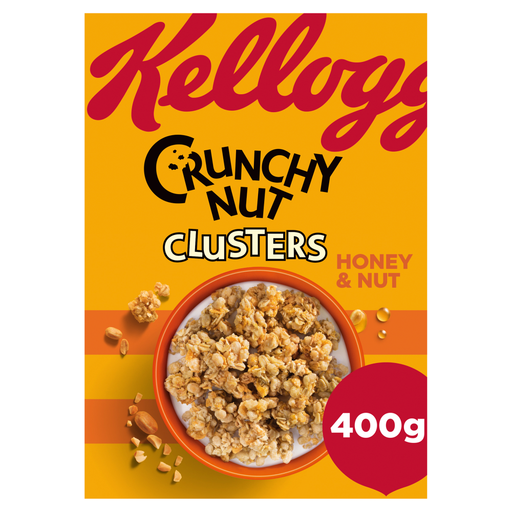
Why This Fits Their Persona: Suits adults and older children who prioritise a crunchy texture and honey-and-nut flavour for a more indulgent breakfast.
Its whole-oat content is stated clearly, while the allergen declaration flags peanuts, milk, oats, soya, wheat and barley.
Contains 42% whole oats and 4.7g of fibre per 100g; supplied in a 400g box.
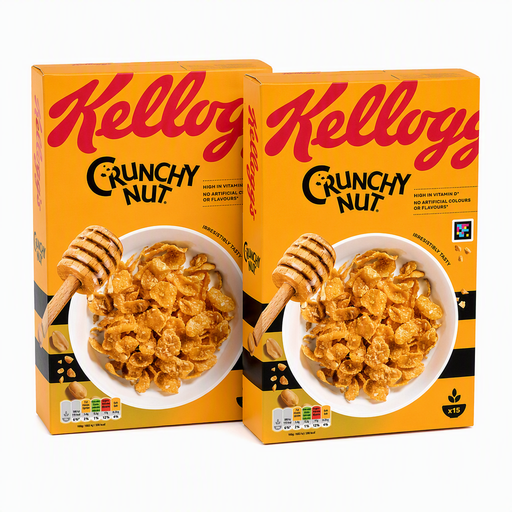
Why This Fits Their Persona: A convenient format for larger households or regular cereal eaters who want to reduce repeat shopping trips.
The two-box format makes the total quantity visible, reducing confusion between a single box and a multipack.
Total net quantity is 920g, with vitamin D, B vitamins and iron listed in the product information.
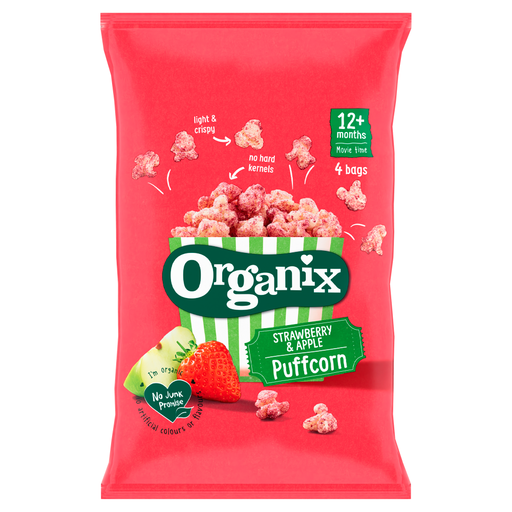
Why This Fits Their Persona: Designed for families looking for individual organic toddler snacks for lunchboxes or supervised outings.
The pack states 12+ months suitability, portion size and supervision guidance rather than presenting it as a general children’s cereal.
Four individually packed 10g portions; organic, gluten-free and suitable for vegetarians and vegans according to the supplied details.
We have compiled a complete, real-time list of products that fully satisfy these strict selection criteria and UK safety regulations.
Compare the fibre value per 100g rather than relying on phrases such as “wholegrain”. Nestlé Shreddies 460g lists 12g of fibre per 100g, while Weetabix Crispy Minis Chocolate 500g lists 10g per 100g in the supplied information. Serving size and the rest of the meal should also be considered.
Cereal variety packs can be useful when family members prefer different flavours or when individual portions are needed for lunchboxes and travel. Check that the pack contains the formats and cereals your household will actually eat, and compare the total weight with standard boxes before buying.
Keep cereal in a cool, dry place and fold or reseal the inner bag after opening. Follow the best-before information on the packaging. For toddler snacks, consume opened individual bags promptly where the instructions recommend it, and supervise young children while they eat.