
24/7 Customer Support

Free returns

Same-day & Next-day Delivery

Quality Guaranteed

Unlock Your Welcome Offers: FREE Delivery | Up to 80% OFF | Free 30-day JoyPlus trial
Download the APP
Choosing breakfast cereal online can look straightforward until you compare ingredient lists, portion sizes, dietary suitability and pack formats. A colourful box may appeal to children, while a “wholegrain” claim can make a product appear more nutritious than it is.
The practical approach is to look beyond the front of the pack. Check the nutrition panel, allergen statement and quantity before deciding whether a branded breakfast cereal offers suitable value for your household.
Wholegrain ingredients can contribute fibre, but they do not automatically mean a cereal is low in sugar. For example, a product may contain wholegrain wheat or maize alongside sugar, syrup or a sweet coating.
Compare the sugars per 100g rather than relying only on front-of-pack wording. As a useful guide, the NHS traffic-light system treats more than 22.5g of sugar per 100g as high, although the serving size and your overall diet also matter.
A larger box is not always better value if it contains a sweeter variety that your household eats in smaller portions. Compare the price per 100g, not just the shelf price.
Large formats such as a 1.1kg cereal box or a 72-pack can suit families and frequent users, while a 263g or 326g imported cereal may be more appropriate for occasional treats or trying a new flavour.
Cereals commonly contain wheat, barley, oats, milk, soya, peanuts or tree nuts. “Suitable for vegetarians” does not mean suitable for vegans, and a product containing oats is not automatically gluten-free.
Always read the current packaging, particularly where there is an allergy, coeliac disease or a medically required exclusion. Products may also state that they are made in a facility handling other cereals or allergens.
For a more filling everyday option, compare fibre per 100g. Wholegrain cereal choices such as original Shreddies, Cheerios and Weetabix Protein provide different fibre levels, so check the nutrition table rather than assuming all wholegrain products are equivalent.
Nestlé Shreddies Original Malted Wheats lists 12g of fibre per 100g, while Nestlé Cheerios lists 9.6g per 100g. These figures are not direct health recommendations, but they make comparison easier.
Sweetened and chocolate cereal varieties can differ considerably. Kellogg’s Frosties lists 37g of sugar per 100g, while Kellogg’s Cornflakes lists 8g. Chocolate varieties such as Krave Milk Chocolate and Krave Chocolate Hazelnut contain more fat and sugar than plain flake cereals.
Use the per 100g figures to compare products consistently, then consider how much is usually poured into a bowl. Milk, yoghurt, fruit and toppings can also change the overall nutritional profile.
A cereal multipack or large family box can reduce the frequency of online orders, but only if it can be stored in a cool, dry place and used before its best-before date. Fold or roll the inner bag after opening to help preserve crunch.
For porridge oats, check whether the product contains only oats or additional ingredients. Flahavan’s Organic Porridge Oats contains 100% organic wholegrain oat flakes, making it straightforward to customise with fruit, seeds or milk.
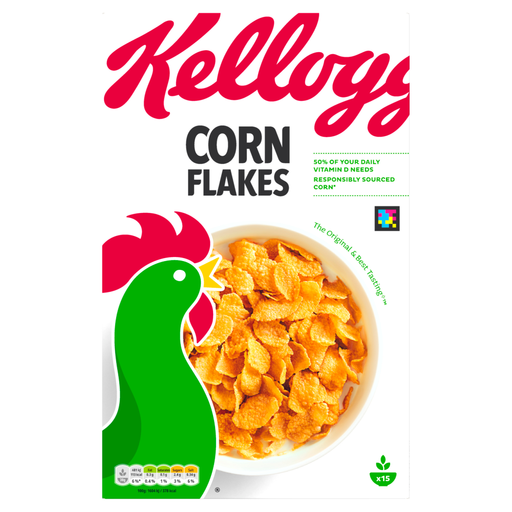
Why This Fits Their Persona: A familiar plain cereal can work well for households wanting a flexible cupboard staple that can be served with milk, fruit or yoghurt.
Its listed sugar content is 8.0g per 100g, so shoppers can avoid assuming that every branded cereal has a heavily sweetened profile.
450g format; 113 kcal per listed 30g serving; provides iron and several B vitamins.

Why This Fits Their Persona: Suitable for shoppers who prefer a simple ingredient list and want to prepare porridge oats with their own toppings.
The ingredients list is limited to 100% organic wholegrain oat flakes, helping shoppers avoid unnecessary flavourings or sweet coatings.
1kg quantity; 8.3g fibre and 11g protein per 100g; 0.9g sugars per 100g.

Why This Fits Their Persona: A large format suits families, shared homes and regular cereal users who have enough dry storage space.
The 72-biscuit format makes the quantity clear, avoiding comparisons based only on box appearance or promotional wording.
1.52kg pack; made with 95% wholegrain wheat; listed as low in sugar and salt in the supplied product information.
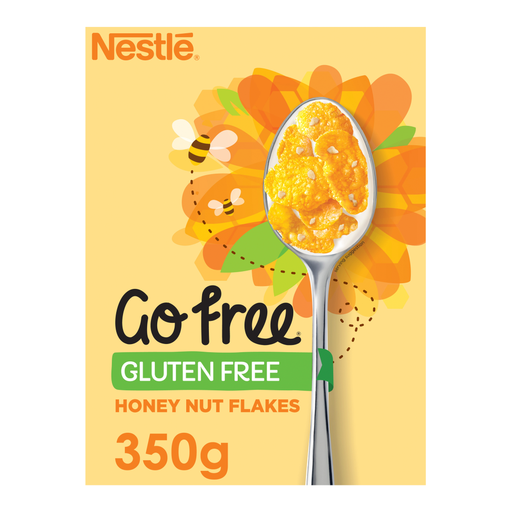
Why This Fits Their Persona: A practical option for shoppers looking for a gluten-free cereal format, subject to checking the latest label and peanut suitability.
The supplied information identifies it as gluten-free, while also clearly listing peanuts, so shoppers can assess both requirements.
350g pack; 5.1g fibre per 100g; suitable for vegetarians according to the supplied product information.
We have compiled a complete, real-time list of products that fully satisfy these strict selection criteria and UK safety regulations.
Many products list a serving between 30g and 40g, but household portions vary. Weighing one usual bowl once can show how much you are actually eating. This makes comparisons of sugar, calories and fibre more meaningful.
Keep cereal in a cool, dry place, away from strong odours. After opening, seal or fold the inner bag and close the box. Check the best-before information on the packaging, especially when purchasing a cereal multipack or large family format.
Plain oats are naturally free from wheat, rye and barley, but they may be handled alongside gluten-containing cereals. Flahavan’s product information identifies oats as an allergen and gluten source, so people avoiding gluten should check the packaging and choose a product specifically labelled as suitable for their needs.