
24/7 Customer Support

Free returns

Same-day & Next-day Delivery

Quality Guaranteed

Unlock Your Welcome Offers: FREE Delivery | Up to 80% OFF | Free 30-day JoyPlus trial
Download the APP
Breakfast cereal is convenient, familiar and easy to store, but choosing the right box can be surprisingly difficult. UK shoppers comparing cereal online may encounter large packs that offer poor value, colourful children’s cereal with a higher sugar content than expected, or imported American cereal with different labelling and allergen information.
A useful buying decision starts with the nutrition panel, serving size and ingredient list rather than the front-of-pack claims. Whether you are looking for branded breakfast cereal, chocolate cereal, wholegrain cereal or cereal multipacks, these checks can help you avoid common purchasing traps.
A 750g or 1.1kg box may appear economical, but value depends on price per 100g, the recommended serving size and how quickly your household consumes it. A large pack can also lose its crunch if the inner bag is not resealed properly.
For regular family use, compare the cost per 100g and check whether the pack contains a resealable inner liner. Smaller boxes may be more suitable when trying a new flavour or buying imported American cereal for occasional enjoyment.
Terms such as “wholegrain”, “multigrain” and “with vitamins” do not tell the whole story. A cereal can contain wholegrain ingredients while also having a relatively high sugar content. Likewise, added vitamins and minerals do not automatically make a product suitable for every breakfast routine.
Check the nutrition information per 100g first, then review the per-serving column. This makes comparisons between chocolate cereal, frosted cereal and plain wholegrain options more consistent.
Ingredients and allergen warnings can differ between UK-made and imported products. Imported products may contain peanuts, tree nuts, wheat, barley, oats, milk, soya or gelatine. Some packaging also carries specific warnings about colours.
Always read the current pack before serving, particularly when buying children’s cereal or shopping for someone with an allergy or dietary restriction. Product pages are useful for initial comparisons, but the packaging supplied with your order should be treated as the final source of ingredient information.
Look at sugars per 100g, rather than judging sweetness by the name alone. The products in this selection range from lower-sugar oat-based cereal to sweeter chocolate and frosted varieties.
Fibre is another practical comparison point. Nestlé Shreddies Original lists 12g of fibre per 100g, while Nestlé Cheerios lists 9.6g per 100g. Weetabix Oatibix lists 7.3g per 100g, alongside wholegrain oats as its main ingredient. These figures are taken from the supplied product information and should be checked against the packaging on delivery.
“Wholegrain cereal” and “multigrain cereal” are not interchangeable. Wholegrain describes grain ingredients that retain their main components, while multigrain indicates that more than one grain is used. For example, Nestlé Cheerios combines wholegrain oat, wheat and barley flours. Kellogg’s Bluey uses rice, oat and maize cereal flours.
Review the ingredients list to see which grain appears first and whether the product contains wheat, oats or barley. This matters for taste, texture and dietary suitability.
Choose pack size according to household consumption. A 300g–400g box can suit occasional breakfasts or flavour rotation, while 600g–1.1kg packs may be practical for frequent family use.
Most products should be stored in a cool, dry place, away from direct sunlight. Once opened, fold down or seal the inner bag. This helps preserve texture and reduces the risk of stale cereal. Check the best-before information on the actual packaging, especially for imported products.
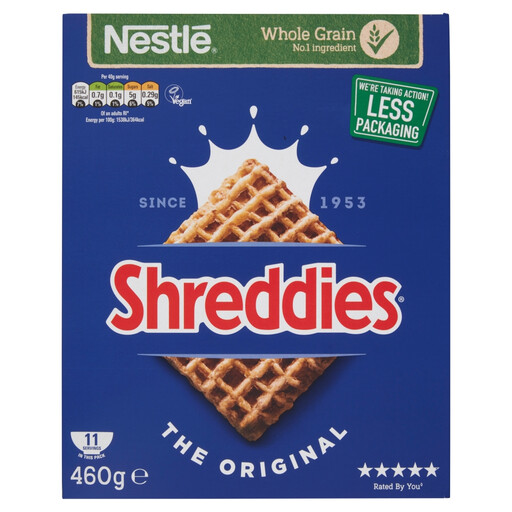
Why This Fits Their Persona: A familiar wholegrain wheat cereal in a manageable pack size, suitable for shoppers building a practical breakfast cupboard without committing to a very large box.
The product information lists 13g of sugar and 12g of fibre per 100g, making the nutrition panel easier to assess than relying on front-of-pack wording.
Whole grain wheat is listed at 96%; the stated serving is 40g, with 145kcal and 5g of sugars.
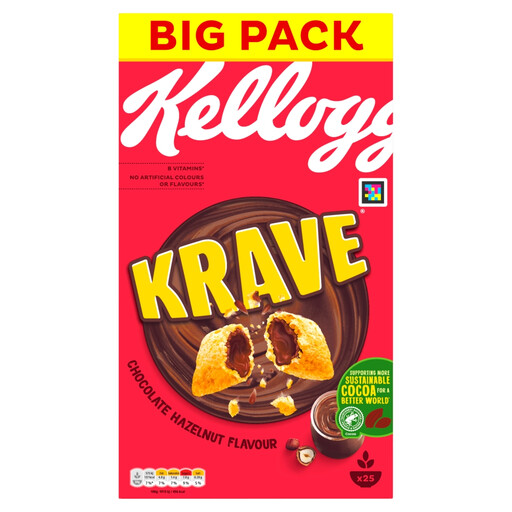
Why This Fits Their Persona: A larger branded breakfast cereal pack for households that prefer filled pieces, chocolate and hazelnut flavour, with enough quantity for repeated servings.
The supplied information clearly lists wheat, oats, milk, hazelnuts and other possible nut traces, helping shoppers check suitability before opening the box.
A 750g pack; the listed nutrition is 462kcal and 26g of sugars per 100g.
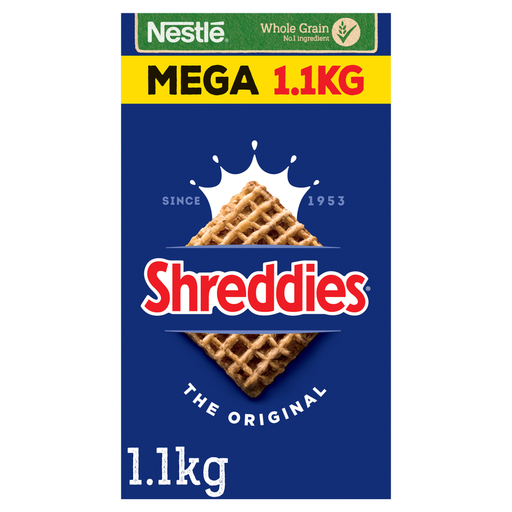
Why This Fits Their Persona: A large-format choice for households serving cereal frequently and wanting a malty wholegrain option for several family members.
The 1.1kg format reduces the need for frequent reordering, while the ingredients and nutrition panel identify wholegrain wheat, fibre and sugar quantities clearly.
Lists 96.1% wholegrain wheat; provides 12g of fibre per 100g and is stated as suitable for vegans.
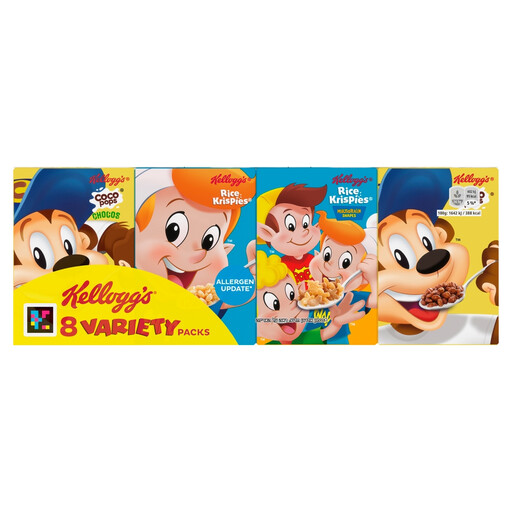
Why This Fits Their Persona: Individual portions suit lunchboxes, rushed school mornings and households where different people prefer different flavours.
Portion packs help limit opened-bag storage issues and reduce the risk of one unwanted flavour being left unused.
Contains eight individual variety packs; the supplied information lists wheat and barley, with possible milk and soya traces.
We have compiled a complete, real-time list of products that fully satisfy these strict selection criteria and UK safety regulations.
It depends on household preferences and dietary requirements. A large wholegrain cereal such as Shreddies may suit frequent breakfasts, while cereal multipacks offer portion control and flavour variety. Always check allergens, sugar and fibre on the current label.
Keep cereal in a cool, dry place and close the inner bag tightly after each use. This helps maintain crunch and protects the product from moisture. Follow the storage instructions and best-before information printed on the packaging.
Imported products can be enjoyed as part of a varied diet, but their ingredients, colours and allergen warnings need careful checking. Some supplied products include warnings relating to specific food colours and children’s attention or activity. Read the packaging before serving and consider portion size, sugar content and individual dietary needs.