
24/7 Customer Support

Free returns

Same-day & Next-day Delivery

Quality Guaranteed

Unlock Your Welcome Offers: FREE Delivery | Up to 80% OFF | Free 30-day JoyPlus trial
Download the APP
Choosing breakfast cereal sounds straightforward until you compare serving sizes, ingredients, pack formats and nutrition panels. A brightly designed box may suit children, while a large family-sized cereal pack may offer poor value if it goes stale before anyone finishes it.
For UK households, the right choice depends on how the cereal will be used: a weekday breakfast, lunchbox snack, convenient breakfast for commuters or a higher-fibre option for regular home use.
A 1.5kg pack or cereal multipack can reduce the cost per serving, but only if your household will use it within the recommended storage period. Open bags can lose their crunch, particularly when the inner packaging is not resealed properly. Compare the price per 100g and estimated servings rather than relying on the front-of-pack pack size.
Wholegrain cereal can be a useful choice, but it does not automatically mean low in sugar or energy. For example, cereals with chocolate, honey or syrup may still contain notable amounts of sugar. Read the nutrition panel per 100g and per suggested serving, then check the ingredients list to see whether wholegrain appears near the beginning.
Cereals may contain wheat, barley, oats, milk, soya, peanuts or other ingredients. Multipack boxes can contain several recipes with different allergen information, so check the individual packaging where applicable. Cereal bars may look like a breakfast replacement, but their compact size and sweetened ingredients make them better assessed as a snack or occasional convenient breakfast.
For a wholegrain cereal, check the percentage of wholegrain in the ingredients list rather than relying only on front-of-pack wording. Weetabix Cereal lists wholegrain wheat at 95%, while Weetabix Oatibix lists whole grain oats at 96%.
A high-fibre cereal can be compared by looking at grams of fibre per 100g. The products in this guide range from 2.5g per 100g in Kellogg’s Crunchy Nut to 10g per 100g in Weetabix Banana Flavour. This makes the nutrition table more useful than general terms such as “wholesome” or “nutritious”.
For a high-protein cereal, compare the actual protein figure. Weetabix Protein lists 19g per 100g, whereas standard Weetabix lists 12g per 100g in the supplied product information. These figures are not directly equivalent to the protein in a prepared bowl, as milk or yoghurt will change the final amount.
Chocolate cereal, granola and flavoured porridge can contain added sugar, so check sugars per 100g and the serving size. Fuel 10K Chunky Granola Chocolate Loaded lists 20g of sugar and 17g of fat per 100g. Kellogg’s Crunchy Nut lists 35g of sugar per 100g.
A small stated serving may not match how much is poured into a bowl. Use kitchen scales occasionally if portion control matters, and remember to include milk, toppings and extra syrup in the overall meal.
Choose individual portions when portability matters. Cereal bars and variety packs can work for school bags, office drawers or travel, while large bags suit households that serve cereal daily. Check whether the product requires a cool, dry place, refrigeration or freezing. Porridge sachets are convenient because the portion is pre-measured, but preparation instructions and microwave wattage still matter.

Why This Fits Their Persona: A familiar everyday option for students, couples and smaller households wanting a straightforward wholegrain cereal without buying a very large case.
The 24-biscuit format is easier to use at a steady pace than an oversized box, while the stated two-biscuit serving helps with comparison.
Lists 95% wholegrain wheat, 4.5g sugars per 100g and is suitable for vegetarians and vegans.
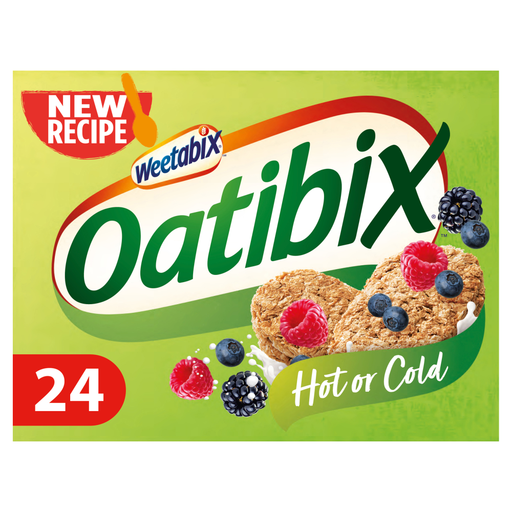
Why This Fits Their Persona: Suits shoppers who prefer an oat-based breakfast and want more detail than broad front-of-pack descriptions provide.
Its ingredient list clearly states 96% whole grain oats, making it easier to verify the main cereal base.
Provides 7.3g fibre and 13g protein per 100g, with 24 biscuits in a 600g pack.
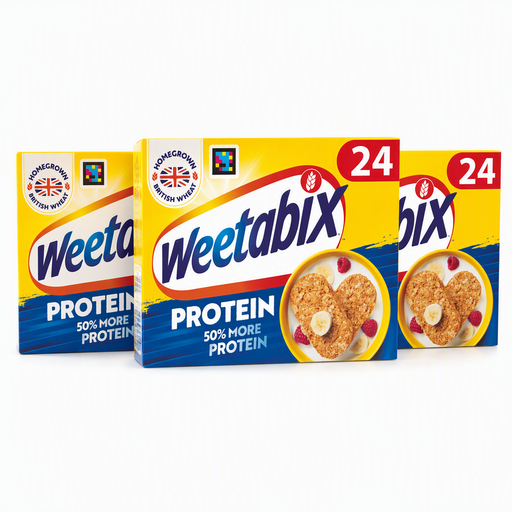
Why This Fits Their Persona: A practical case format for larger households or people who regularly choose a higher-protein breakfast.
The protein figure is stated per 100g, avoiding vague claims and allowing comparison with other cereals.
Contains 19g protein and 9.9g fibre per 100g; the 72-pack reduces the need for frequent repurchasing.
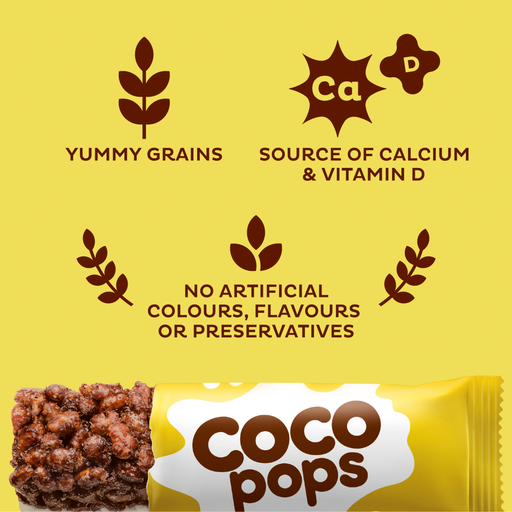
Why This Fits Their Persona: Individual 20g bars are suited to school bags, commuting and days when a bowl and milk are not practical.
The portion is clearly defined, so it is easier to distinguish a portable snack from a standard bowl of cereal.
Four individually wrapped bars; each 20g bar provides a chocolate-flavoured cereal option with added vitamin D.
We have compiled a complete, real-time list of products that fully satisfy these strict selection criteria and UK safety regulations.
Individual cereal bars, variety packs and porridge sachets require less preparation than a large bowl of cereal. For a more filling option, prepare porridge according to the pack instructions and add fruit or yoghurt where suitable. Always check allergen information, particularly when buying mixed cereal multipacks.
Dry cereal should be kept in a cool, dry place and resealed after opening. The exact shelf life depends on the product and packaging, so use the best-before information on the box. If the cereal develops an unusual smell, texture or appearance, do not consume it.
No. Children’s cereals and chocolate cereal products can vary considerably. Compare sugar, fibre and serving size on the nutrition panel, and check the ingredients list for sugar, syrups, honey or chocolate components. A smaller portion pack can help with consistency, but it does not necessarily change the product’s nutritional profile.