
24/7 Customer Support

Free returns

Same-day & Next-day Delivery

Quality Guaranteed

Unlock Your Welcome Offers: FREE Delivery | Up to 80% OFF | Free 30-day JoyPlus trial
Download the APP
Choosing breakfast cereal can seem straightforward until you compare wholegrain cereal, porridge sachets, family-size cereal packs and variety cereal multipacks. Packaging often highlights grains, added vitamins or “natural” flavours, while the details that affect everyday value may be less prominent.
For UK households, the most useful comparison points are serving size, ingredient proportions, sugar and fibre content, allergens, preparation time and pack format. This guide explains what to check before buying, followed by recommendations for different shopping needs.
A 1.5kg box may appear economical, but it is only good value if your household will finish it while the cereal remains fresh and enjoyable. Family-size cereal packs also need suitable cupboard space and careful resealing. Individual sachets can cost more per serving, but they reduce portion guesswork and are practical for offices, university accommodation and travel.
Check the total weight, number of portions and suggested serving size rather than comparing pack size alone.
Wholegrain ingredients can contribute fibre, but the proportion matters. For example, Weetabix Cereal lists 95% wholegrain wheat, while Weetabix Oatibix lists 96% wholegrain oats. These figures are more useful than a front-of-pack image of grains.
Likewise, “high-protein” products should be compared using the nutrition table. Weetabix Protein provides 19g of protein per 100g, while Quaker Oat So Simple Peanut Butter Protein contains 22g per 100g of dry mix. Their formats and preparation methods are different, so compare the portion you will actually eat.
Breakfast products can contain wheat, barley, oats, milk, soya, peanuts or sesame. Always read the current pack label, especially when buying variety packs where ingredients differ between individual portions.
Porridge and instant oatmeal are not always prepared in the same way. Some products require boiling water, while others must be cooked in a microwave or on the hob. Follow the stated instructions and allow hot food to cool sufficiently before eating.
Look for the quantitative ingredient declaration. A wholegrain cereal may suit shoppers prioritising a higher wholegrain content, while oat-based products offer a different texture and flavour.
Useful comparisons include:
These products serve different preferences; ingredient percentages should not be treated as the only measure of suitability.
Nutrition tables use per 100g values so that products can be compared consistently. Also check the per-serving information, as actual portions vary.
For reference:
A flavoured cereal may be chosen for taste, while a plain or lightly sweetened option may make it easier to customise the bowl with fruit, yoghurt or nuts.
For a busy weekday, porridge sachets can be convenient because each portion is pre-measured. Quaker sachets typically require around two minutes in a microwave, while some instant cereal sachets only need boiling water.
For larger households, a 24-, 72- or 20-sachet pack may reduce repeat shopping. However, check cupboard capacity and storage guidance. Most products should be kept in a cool, dry place, with opened packs sealed to protect texture and freshness.

Why This Fits Their Persona: A familiar everyday breakfast format for households wanting straightforward portions that can be served with milk, yoghurt, fruit or nuts.
The listed 95% wholegrain wheat content and per-serving nutrition make it easier to assess than relying on broad “wholesome” packaging language.
95% wholegrain wheat; 24 individually formed biscuits; 4.5g sugars per 100g according to the supplied nutrition information.
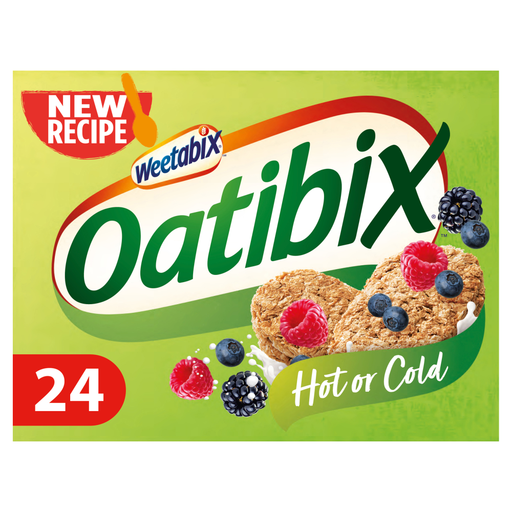
Why This Fits Their Persona: Suits shoppers seeking an oat-led biscuit cereal with a clearly stated wholegrain proportion and a mild base for custom toppings.
The ingredient list identifies wholegrain oats at 96%, helping shoppers distinguish an oat-based cereal from a product with only a small oat inclusion.
96% wholegrain oats; 7.3g fibre and 13g protein per 100g in the supplied nutrition information.
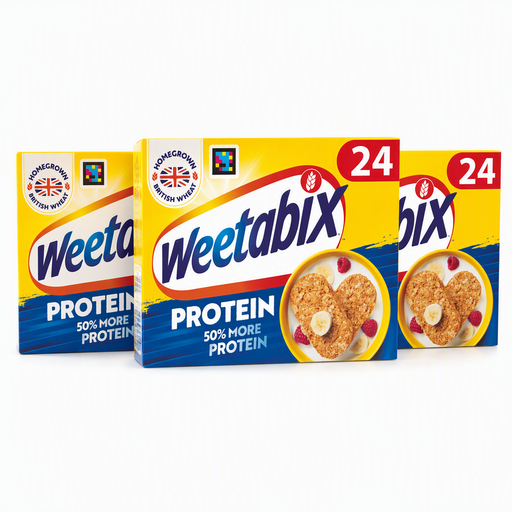
Why This Fits Their Persona: A suitable cupboard-stock option for larger households or shoppers who regularly choose a high-protein cereal.
The protein amount is stated as 19g per 100g, while the 72-biscuit format makes the total quantity clear before purchase.
19g protein and 9.9g fibre per 100g; three 24-pack boxes for regular household use.

Why This Fits Their Persona: Pre-portioned oat porridge that can be prepared in about 2½ minutes in a microwave, useful for workday or study mornings.
The eight 43g sachets provide measured portions, and the preparation method is stated clearly for microwave or hob use.
100% wholegrain rolled oats are listed; 9g protein per serving is stated in the product information.
We have compiled a complete, real-time list of products that fully satisfy these strict selection criteria and UK safety regulations.
Yes. Oat porridge and instant oatmeal can be useful when you want a warm breakfast with a measured portion. Sachets reduce preparation and washing-up, while loose oats usually offer more flexibility over serving size and toppings. Check whether the product needs boiling, microwaving or hob cooking.
Shelf life varies by product and packaging. Keep cereal in a cool, dry place and reseal the inner bag or transfer the contents to an airtight container after opening. If the texture, smell or appearance changes, follow the pack’s safety guidance and do not consume it.
They can reduce the cost per gram, but only when the household uses the cereal regularly and avoids waste. Compare the total weight, number of servings and current price. Variety cereal multipacks may cost more per portion but can prevent households from buying several separate flavours.