
24/7 Customer Support

Free returns

Same-day & Next-day Delivery

Quality Guaranteed

Unlock Your Welcome Offers: FREE Delivery | Up to 80% OFF | Free 30-day JoyPlus trial
Download the APP
Choosing breakfast cereal should be simple, but crowded shelves and promotional wording can make it difficult to compare products. A colourful box may appeal to children, while phrases such as “wholegrain”, “fortified” or “reduced sugar” can distract from the full nutrition panel.
For UK households, the practical choice depends on more than flavour. Serving size, ingredient order, allergen information, pack format and storage all affect whether a cereal suits your routine. Here is how to avoid common buying traps and compare options with greater confidence.
A cereal can contain wholegrain and still have a relatively high sugar content. For example, the listed nutrition for Kellogg’s Krave Chocolate Hazelnut 750g shows 26g of sugars per 100g, while its fibre is listed at 3.6g per 100g. By contrast, plain porridge oats usually have no added flavouring or filling, making the ingredient list easier to assess.
Look at the nutrition table rather than relying on front-of-pack imagery. If you are choosing a low-sugar cereal, compare the “of which sugars” figure per 100g and check whether sugar, syrup or sweetened dried fruit appears near the beginning of the ingredients list.
A fortified breakfast cereal may contain added vitamins or minerals, but it still needs to be judged alongside sugar, salt, fibre and protein. Kellogg’s Cornflakes, for example, lists added vitamin D, B vitamins and iron, but its fibre is 3.0g per 100g. Fortification is a useful feature, not a reason to overlook the rest of the label.
A cereal multipack or 1kg bag can reduce how often you need to shop, but only if the product will be eaten before it loses its crunch or passes its date. Large boxes are practical for popular everyday cereals such as Weetabix or Shreddies, while smaller packs may suit occasional chocolate cereal or children’s cereal.
Once opened, reseal the inner bag and keep cereal in a cool, dry place. This is particularly important for granola, oat clusters and cereals with chocolate pieces.
Ingredients are listed by weight, so the first few entries show what makes up most of the product. For a wholegrain cereal, look for wholegrain wheat, oats, maize or barley near the start of the list. For oat cereal or porridge oats, check whether the product is primarily oats or a blend containing sugar, creamer and other grains.
UK allergen labelling highlights ingredients such as wheat, oats, barley, milk, soya, peanuts and tree nuts. This matters when buying chocolate cereal, granola or mixed cereal for a family. Products containing nuts or milk may not suit every household, and some imported products have different ingredient profiles from familiar UK versions.
Use per 100g figures to compare different products fairly, then check the suggested serving size for everyday practicality. A 30g serving of cereal may look modest beside a 45g granola portion or two wheat biscuits.
Useful figures to compare include:
Traditional flakes and biscuit cereals work well with cold milk, yoghurt or fruit. Porridge oats and individually packed instant oat products are more suitable when you want a warm breakfast with minimal preparation. Granola can be eaten with yoghurt or used as a topping, but its clusters may contain added sugar, honey, oil, nuts or dried fruit.
Individual pouches can help with portion control and commuting, while a family-sized box may offer better value for regular household use. Always check preparation instructions for instant products; some require approximately 150–175ml of boiling water.
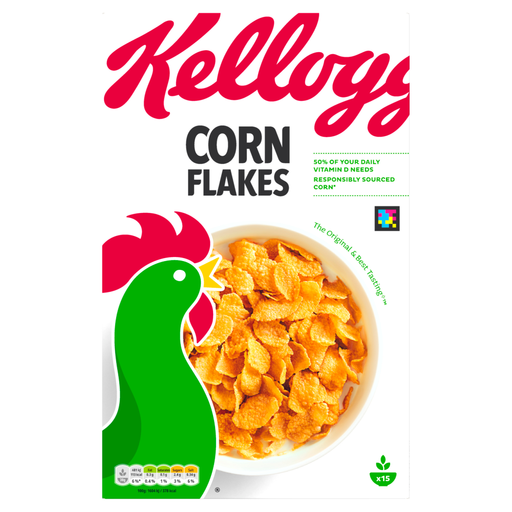
Why This Fits Their Persona: A familiar, straightforward cereal for households wanting an easy cold breakfast with a moderate pack size and simple preparation.
The nutrition panel lists 8.0g sugars and 3.0g fibre per 100g, allowing a clearer comparison than relying on front-of-box claims.
Includes listed vitamin D, B vitamins and iron; suitable for serving with milk or yoghurt.

Why This Fits Their Persona: A 1kg pack of 100% organic wholegrain oat flakes suits shoppers who prefer a minimally flavoured breakfast and flexible toppings.
The ingredient list contains only organic wholegrain oat flakes, avoiding hidden flavourings, fillings and sweetened clusters.
Lists 8.3g fibre and 11g protein per 100g; can be prepared with water or milk and topped to taste.

Why This Fits Their Persona: A large household pack for families or frequent cereal eaters who want individually portioned wheat biscuits for quick weekday breakfasts.
The pack size is clear, while the listed nutrition shows 4.5g sugars and 0.27g salt per 100g.
Contains 95% wholegrain wheat according to the listing; a two-biscuit serving is specified for easy portion comparison.
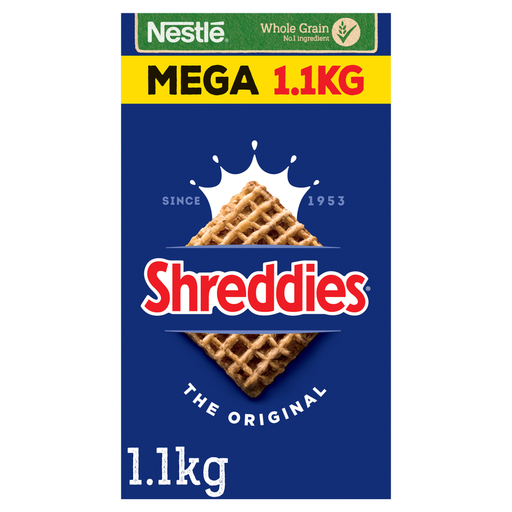
Why This Fits Their Persona: The 1.1kg size is suited to a busy family that regularly serves cereal with milk and wants a malty wholegrain option.
The listing states 96.1% wholegrain wheat and provides per-40g serving figures, making portion planning more transparent.
Lists 12g fibre and 10.8g protein per 100g; the product information states it is suitable for vegans.
We have compiled a complete, real-time list of products that fully satisfy these strict selection criteria and UK safety regulations.
Cereal with milk can provide carbohydrates, and milk can add protein and calcium, but the overall balance depends on the cereal, portion and toppings. Adding fruit, yoghurt, seeds or nuts may create a more varied meal. Check allergen information before adding toppings.
Compare sugars per 100g, then check the serving size likely to be eaten. Plain wheat biscuits, porridge oats and some wholegrain flakes may offer lower-sugar options than chocolate cereal or marshmallow varieties. Avoid assuming that a cartoon character or added vitamins automatically indicates a lower-sugar product.
Granola can be convenient and filling, but recipes often include sugar, honey, oil, dried fruit and nuts. Compare the nutrition panel with plain oats or a wholegrain cereal, and measure a serving rather than filling the bowl freely. Check nut and gluten warnings when serving a family.