
24/7 Customer Support

Free returns

Same-day & Next-day Delivery

Quality Guaranteed

Unlock Your Welcome Offers: FREE Delivery | Up to 80% OFF | Free 30-day JoyPlus trial
Download the APP
Choosing breakfast cereal in the UK is rarely as simple as picking the most attractive box. Product names may highlight oats, nuts, vitamins or protein, while the nutrition panel tells a more detailed story. Granola can contain considerable sugar and oil, a “fruit and nut” blend may include only small quantities of those ingredients, and a large multipack is not always the most economical option if your household does not enjoy the flavour.
This guide explains the practical checks to make before buying cereals for breakfast, snacks or post-workout meals, followed by recommendations matched to different shopping needs.
Words such as “nutty”, “fruit”, “wholegrain” and “oat” can appear prominently on the front of a pack. However, the ingredient list shows the actual proportions. For example, the Family Whole nuts, fruits and oat flakes product lists 20% oat flakes, 5% nuts and 4% fruit. That makes it an oat-based cereal with nut and fruit ingredients, rather than a product composed mainly of nuts and dried fruit.
Check the quantitative ingredient declaration where available. It is particularly useful when comparing granola, fruit and nut cereal and crunchy nut cereal products.
Granola often contains baked clusters, syrup, sugar, honey, dried fruit or oil to create its texture. Jordans Crunchy Oat Granola Fruit & Nut lists 24g of sugars per 100g, while Kellogg’s Crunchy Nut Glorious Oat Granola with Hazelnuts & Chocolate lists 22g per 100g.
These products may still suit shoppers who prioritise crunch and flavour, but compare the “of which sugars” figure and serving size rather than relying on terms such as “natural” or “wholegrain”.
Fortified cereals may provide listed vitamins and minerals, but this does not automatically make them suitable for every routine. Also check fibre, protein, salt, sugar and portion size. A cereal with added iron or B vitamins can be useful within a varied diet, but the overall nutrition panel remains important.
Ingredients are generally listed by weight, so the first few entries show what the product contains most of. Look for:
If someone in your household has an allergy, read the current packaging every time. “May contain” statements can change and should not be ignored.
The per 100g panel provides a consistent comparison between cereal types. Useful figures include:
Portion sizes can vary significantly. Kellogg’s Crunchy Nut lists a 30g portion, Jordans gives a 45g portion and Fuel10K uses 50g. Weighing one serving at home can reveal how quickly a pack is used.
Ready-to-eat cereal and granola work well with milk, yoghurt or fruit. Instant oatmeal and powdered oat drinks require hot water but can be convenient at work, during travel or on busy school mornings.
Single-serve sachets can help with portion control and storage. The Family Whole Red Dates Raisins Oat Flakes pack contains 20 sachets of 35g, while the Family Whole nuts, fruits and oat flakes pack contains 20 individual bags, plus separate glucose sachets. Follow the preparation instructions and check whether the product requires boiling water rather than cold milk.
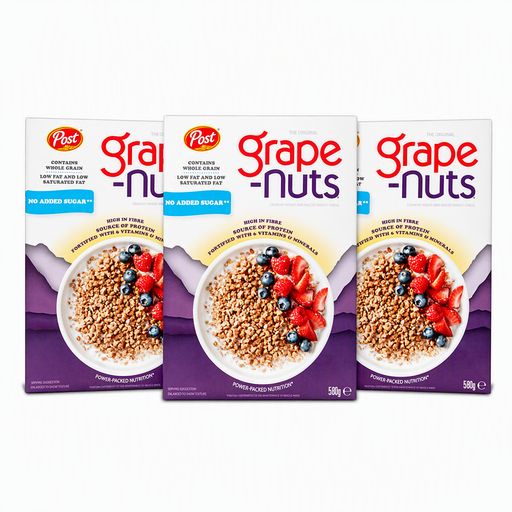
Why This Fits Their Persona: The three-pack format suits households that already know they enjoy a firm, wheat-based cereal and want a larger supply for regular breakfasts.
The ingredient list clearly identifies wholegrain wheat flour at 89% and malted barley flour at 9%, avoiding vague fruit or nut-led positioning.
The pack contains 1.74kg in three 580g bags; the listed nutrition includes 11g protein per 100g and 2.1g fat.
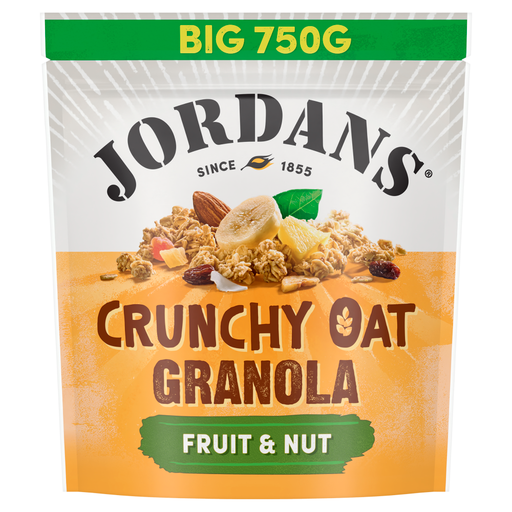
Why This Fits Their Persona: A suitable option for shoppers who prioritise baked oat clusters, fruit pieces and a varied texture with milk or yoghurt.
The label states 66% wholegrain oat flakes and 17% dried fruit, allowing shoppers to assess the blend rather than relying only on the product title.
The nutrition panel lists 6.1g fibre and 10g protein per 100g. It also provides a resealable storage instruction.
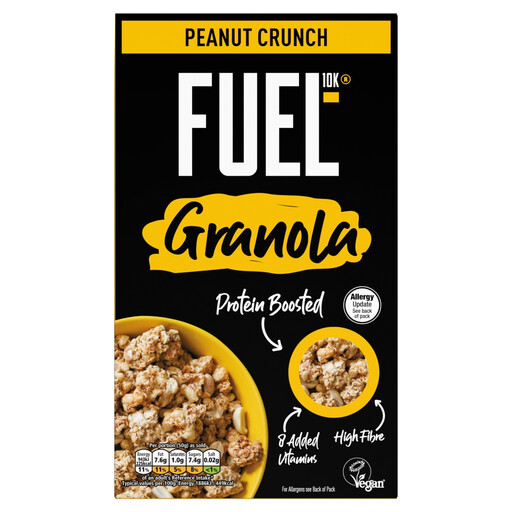
Why This Fits Their Persona: Designed for busy adults, gym users and vegan shoppers seeking a crunchy breakfast or snack with a higher listed protein content.
Its nutrition information states 17.2g protein and 6.1g fibre per 100g, so the protein positioning can be checked against the label.
It contains wholegrain oats and wheat flakes, lists added vitamins and is described as suitable for vegans. It contains peanuts, oats and wheat.
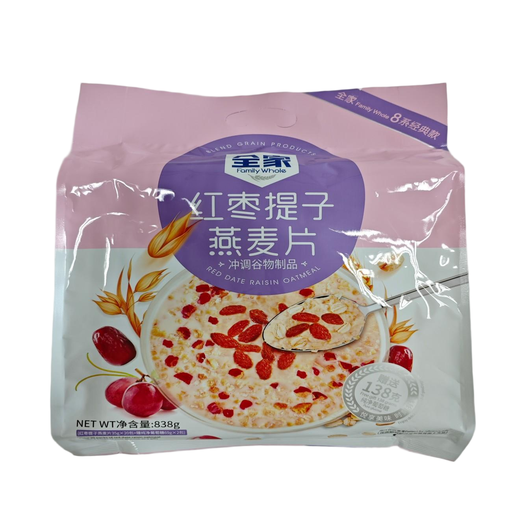
Why This Fits Their Persona: Individual sachets suit commuters, students and families who want a warm oat-based drink without measuring a full bag.
The pack format is clearly stated: 20 sachets of 35g, with preparation instructions calling for approximately 175ml of boiling water.
It lists 25% oat flakes, 10% raisins and 4% red dates. The product contains wheat, barley, oats and soya.
We have compiled a complete, real-time list of products that fully satisfy these strict selection criteria and UK safety regulations.
It can fit into a varied diet, but compare sugars, fat, fibre and serving size. Granola is often more energy-dense than plain oat cereal because it may contain oil, sugar, syrup, nuts or chocolate. Pairing a measured portion with yoghurt or fruit can make the meal more varied.
Keep dry cereal in a cool, dry place and reseal the inner bag or transfer it to an airtight container after opening. This helps preserve texture and reduces exposure to humidity. Always follow the storage instructions and best-before information on the current packaging.
A multipack may reduce the price per 100g, but only if the cereal is used before it loses freshness and suits everyone eating it. Divide the total price by the total weight to compare value fairly, then check the portion guidance and allergen information before buying.