
24/7 Customer Support

Free returns

Same-day & Next-day Delivery

Quality Guaranteed

Unlock Your Welcome Offers: FREE Delivery | Up to 80% OFF | Free 30-day JoyPlus trial
Download the APP
The breakfast aisle can make simple shopping surprisingly difficult. A cereal may look wholesome because the packaging shows fruit, grains or fitness-focused imagery, yet the ingredient list can tell a different story. Large boxes may also offer poor value if the cereal is used quickly, while products aimed at children may not suit younger age groups.
Before buying breakfast cereal online, check three common traps:
Ingredients are listed by weight, so the first few items matter most. For a wholegrain cereal, look for wholegrain wheat, wholegrain oats or other whole grains near the beginning of the list.
For example, Weetabix Super Size lists wholegrain wheat at 95%, while Flahavan’s Organic Porridge Oats contains 100% organic wholegrain oat flakes. These are straightforward options for shoppers prioritising a simple grain base.
A multigrain cereal can contain several grains but still include sugar, syrups or refined flours. Variety alone does not determine its nutritional profile, so check the full list rather than relying on the product name.
The UK traffic-light label, where provided, can help with quick comparisons, but the per-100g table is useful when comparing different formats.
A plain cereal can also be paired with milk, yoghurt, fruit or nuts at home. This gives you more control over sweetness and portion size.
Choose the format that fits your routine. Porridge oats require cooking or soaking, whereas instant oatmeal and individually packed cereal products may only need hot water. A cereal multipack or large family box can reduce how often you shop, but check storage space and the best-before date.
For children and babies, follow the stated age range and preparation instructions. Honey is not suitable for infants under 12 months. Check allergens carefully and supervise young children while eating.

Why This Fits Their Persona: The large 72-biscuit pack suits households that regularly serve a familiar wheat-based breakfast and want to reduce repeat shopping trips.
The product information identifies wholegrain wheat at 95% and provides per-100g nutrition, making the base ingredient easier to assess than front-of-pack wording alone.
1.52kg pack; 4.5g sugars and 0.27g salt per 100g; manufactured in the UK.

Why This Fits Their Persona: Suitable for shoppers who prefer an organic, minimal-ingredient breakfast that can be customised with fruit, seeds or dairy alternatives.
The listed ingredient is 100% organic wholegrain oat flakes, without a long list of sweeteners, flavourings or coatings.
1kg pack; 8.3g fibre and 11g protein per 100g; less than 0.01g salt per 100g.

Why This Fits Their Persona: A practical choice for busy adults comparing protein levels in a ready-to-eat cereal rather than preparing a separate breakfast component.
The product lists its protein figure clearly: 19g per 100g. This allows a direct comparison with standard cereals and granola.
24-pack; 19g protein and 9.9g fibre per 100g; suitable for vegetarians and vegans according to the product information.
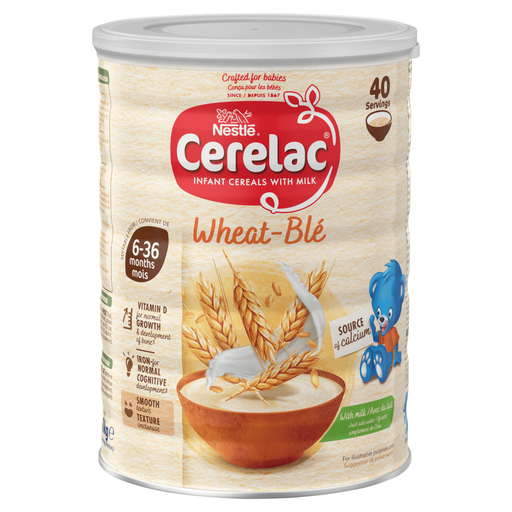
Why This Fits Their Persona: Designed for families following the product’s stated 6–36-month age range and looking for a spoon-fed cereal with clear preparation instructions.
The age range, allergen information, 25g-to-75ml mixing ratio and warning that honey-containing versions are unsuitable under 12 months should be checked before purchase.
1kg tin; 40 stated 25g servings; includes iron, calcium and vitamins listed in the nutrition information.
We have compiled a complete, real-time list of products that fully satisfy these strict selection criteria and UK safety regulations.
It depends on the product, serving size and what you add to it. Compare fibre, sugar, salt and protein per 100g, then consider toppings and milk. Plain wholegrain cereal or porridge oats can provide a simpler base, while granola and chocolate cereal may need closer portion control.
Keep cereal in a cool, dry place and reseal the inner bag or transfer it to an airtight container. This helps maintain texture and reduces exposure to moisture. Always check the packaging for its best-before information.
Check the stated age suitability, preparation method, allergens and sugar information. Baby cereal should be prepared exactly as directed, served immediately and not reused once a portion has been left unfinished. Honey-containing products must not be given to infants under 12 months.