
24/7 Customer Support

Free returns

Same-day & Next-day Delivery

Quality Guaranteed

Unlock Your Welcome Offers: FREE Delivery | Up to 80% OFF | Free 30-day JoyPlus trial
Download the APP
Choosing breakfast cereal can look simple until you compare portion sizes, ingredient lists, allergens and pack formats. A brightly packaged box may suit one family member but disappoint another, while a large multipack can represent poor value if it goes stale before it is finished.
This guide explains what to check before buying breakfast cereal, from wholegrain cereal and porridge oats to chocolate cereal, granola, breakfast bars and instant porridge. It also highlights suitable options for different household routines.
A 1kg bag or cereal multipack may appear economical, but the useful comparison is price per 100g or per serving. Also consider how many people will eat it and whether the cereal remains fresh after opening. A family breakfast cereal used daily may justify a larger pack, while occasional shoppers may waste less with a smaller box.
Words such as “wholegrain”, “multigrain” or “with fruit and nuts” do not describe the full nutritional profile. A cereal can contain whole grains while also including sugar, syrup or chocolate ingredients. Turn the pack around and compare the ingredients list, sugars, fibre, protein and salt per 100g.
Ingredients are listed by weight, so those appearing near the beginning generally make up more of the product. For example, Nestlé Shreddies Original lists wholegrain wheat at 96.1%, while Kellogg’s Crunchy Nut Honey & Nut Clusters lists whole oats at 42%, followed by sugar.
Breakfast bars and toaster pastries are convenient, particularly for commuting, school runs or packed lunches, but they are not always a direct substitute for a bowl of cereal. Compare their portion size and sugar content rather than assuming that “on-the-go” means nutritionally equivalent.
For instance, the Toast’em Cookies & Cream Pop-Ups listing gives 35.2g of sugars per 100g, while the Cadbury Brunch Peanut Cereal Bars listing gives 25g per 100g. Both may have a place as occasional convenience foods, but the label helps you decide how they fit into your routine.
UK packaging commonly provides values per 100g and per serving. Use the per 100g column for fair comparisons because suggested serving sizes differ. The products supplied in the reference range use serving sizes from 30g to 50g, so comparing only the front-of-pack serving figure can be misleading.
For a more filling breakfast, compare fibre and protein alongside energy. Weetabix Protein Cereal lists 19g of protein and 9.9g of fibre per 100g. Nestlé Shreddies Original lists 12g of fibre and 10.8g of protein per 100g. These figures are product information, not a guarantee of how full an individual will feel.
A wholegrain cereal may use wheat, oats, barley or a combination of grains. Multigrain cereal is not automatically wholegrain, so look for the specific grain ingredients and their percentages.
Plain porridge oats offer a short ingredient list. Scotts Porage Oats Original contains 100% oatmeal, according to the supplied product information. By contrast, granola and flavoured cereals often include oils, syrups, sugar, nuts or chocolate. These can provide a different taste and texture, but should be assessed as part of the complete ingredient list.
Always check the latest packaging, particularly when buying for children or anyone with an allergy. Common allergens across this category include wheat, barley, oats, milk, soya, peanuts, tree nuts and sesame. “May contain” statements matter where cross-contamination is a concern.
Preparation also affects suitability. Traditional porridge oats require cooking or soaking, while instant porridge and individual oat-flake sachets are designed for hot water. Products such as MTR Instant Regular Poha Cup require boiling water and careful handling of the hot container. Check storage instructions, best-before dates and whether the packaging can be resealed.
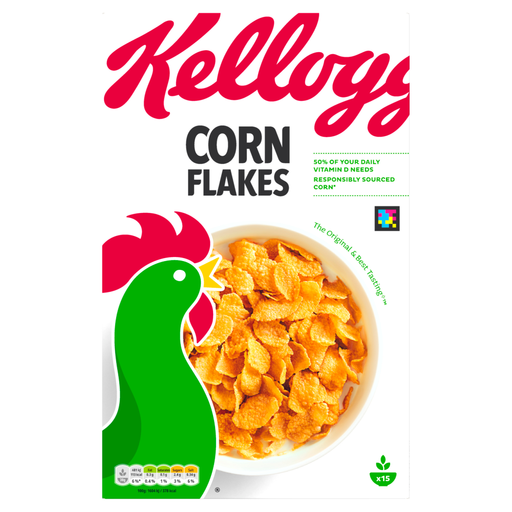
Why This Fits Their Persona: A familiar, straightforward option for students, first-time grocery shoppers and households wanting a simple cereal for weekday breakfasts.
The supplied listing provides a 30g serving comparison and a 450g net quantity, making portion and pack calculations easier.
Maize is the main ingredient; the listing also specifies 8g sugars and 3g fibre per 100g.

Why This Fits Their Persona: Suitable for shoppers who prioritise a short ingredient list and want flexible porridge oats for the hob, microwave or overnight preparation.
The supplied ingredients list states 100% oatmeal, avoiding uncertainty about added sugar, flavourings or syrups.
The 1kg pack provides approximately 25 portions according to the listing; per 100g it contains 9g fibre and 11g protein.

Why This Fits Their Persona: A practical choice for people specifically comparing high-protein cereal formats, including active adults and households wanting individually portioned servings.
Its stated protein figure is shown per 100g, allowing a direct comparison with other cereals rather than relying only on promotional wording.
The listing gives 19g protein, 9.9g fibre and 4.7g sugars per 100g, with wholegrain wheat listed at 92%.
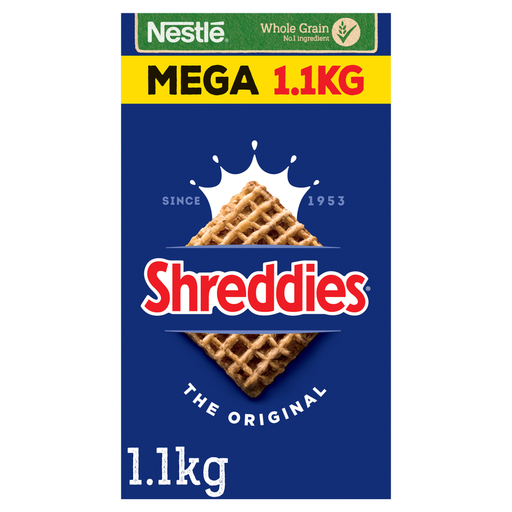
Why This Fits Their Persona: The larger format is suited to families or shared cupboards where a cereal is served regularly across the week.
The pack size and 40g serving information are clearly supplied, helping families estimate usage and freshness needs before purchasing.
The listing states 96.1% wholegrain wheat, 12g fibre per 100g and suitability for vegans.
We have compiled a complete, real-time list of products that fully satisfy these strict selection criteria and UK safety regulations.
Ready-to-eat cereal, instant porridge and individual sachets reduce preparation time. Check whether the product requires milk, boiling water or microwave heating before adding it to a work or school routine. Cereal bars can be useful for travel, but compare their portion size and sugar values with a conventional bowl of cereal.
Keep cereal in a cool, dry place and close the inner bag or transfer the contents to an airtight container. Follow the packaging’s best-before guidance. Oats and grain products can lose their texture when exposed to moisture, while bars and toaster pastries should be kept away from heat.
Some children’s cereal products are sweeter or served in smaller portions, so check the nutrition panel rather than relying on the character-led packaging. A wholegrain cereal can work for several age groups, but individual dietary needs, allergies and portion sizes still need to be considered.