
24/7 Customer Support

Free returns

Same-day & Next-day Delivery

Quality Guaranteed

Unlock Your Welcome Offers: FREE Delivery | Up to 80% OFF | Free 30-day JoyPlus trial
Download the APP
Choosing breakfast cereal can look straightforward until you compare oat cereal, granola, muesli and instant oatmeal side by side. Pack sizes vary widely, ingredient lists can be difficult to interpret, and phrases such as “natural”, “wholesome” or “protein boosted” do not always tell you how a product fits your routine.
For UK households, the right choice usually depends on three practical questions: what is in the packet, how much preparation is required and whether the serving format suits your household.
A large box or bag may appear economical, but serving sizes differ between products. A 950g muesli pack may provide a different number of bowls from a 750g granola pack, depending on the recommended portion. Instant products may include separate sachets, while a mixed pack may include an additional ingredient that is not part of the cereal itself.
Check both the net quantity and the stated serving size. This makes it easier to compare everyday cost and avoid buying more than you can consume before the product loses freshness.
“Wholegrain”, “with fruit” and “oat-based” are useful descriptions, but they do not replace the ingredients list or nutrition table. A cereal can contain oats and dried fruit while also containing sugar, syrup, oil or sweetened fruit pieces.
For example, the listed ingredients for Fuel 10K Chunky Granola Chocolate Loaded include 55% wholegrain oats, but also sugar, vegetable oils and chocolate chips. Its nutrition panel lists 20g of sugars and 17g of fat per 100g. That does not make it unsuitable, but it does make portion size important.
Cereals frequently contain or may contain wheat, oats, barley, milk, soya, peanuts, tree nuts or sesame. Always read the current packaging, especially when buying for children or anyone with an allergy.
Instant oatmeal is also not always interchangeable with ready-to-eat cereal. Some products require boiling water and a specific quantity, while raw grains such as millet require thorough cooking.
Look for the percentage of the main ingredient. Xiao Tian Fruit & Nut Oat Crunch lists oat flakes at at least 47%, alongside raisins, banana, cranberries, coconut, seeds and nuts. By contrast, some mixed instant cereals list a lower oat percentage but include several grains or flavour ingredients.
A longer list is not automatically a problem. The practical question is whether it matches your preference for a simple oat cereal, a fruit and nut cereal or a more varied multi-grain blend.
Compare nutrition per 100g first, then consider the recommended serving. Nestlé Shreddies lists 12g of fibre per 100g, while Kellogg’s Special K Red Berries lists 6.6g per 100g. Xiao Tian Fruit & Nut Oat Crunch lists 22.9g of dietary fibre per 100g, alongside 20.3g of fat, so a measured portion remains sensible.
Granola often has a denser texture and may include oils, honey, chocolate or sugar. This can make it satisfying and crunchy, but it may also provide more energy per spoonful than a plain wholegrain cereal.
Choose between:
Once opened, reseal cereal bags and store them in a cool, dry place. This helps preserve texture and reduces the chance of stale cereal being wasted.
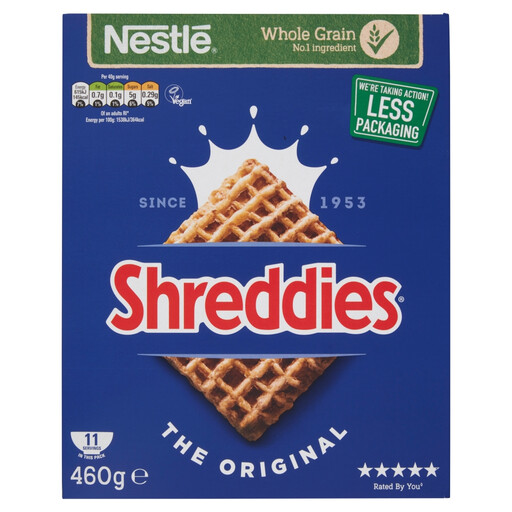
Why This Fits Their Persona: A familiar ready-to-eat wholegrain wheat cereal for households wanting a simple breakfast with milk or yoghurt and no preparation time.
The nutrition panel provides values for a 40g serving, helping shoppers compare portions instead of judging the box by weight alone.
Whole grain wheat is listed at 96%; the product provides 12g of fibre and 11g of protein per 100g.
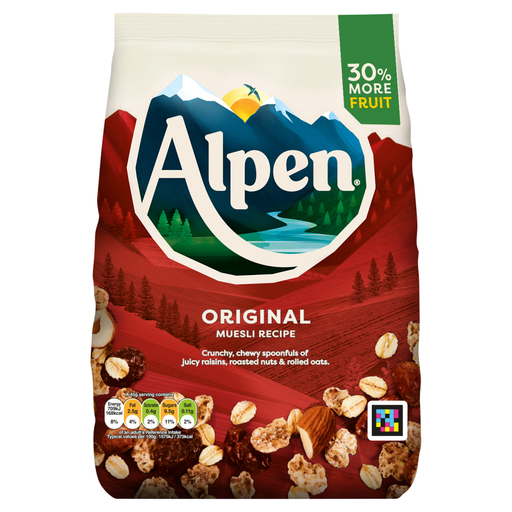
Why This Fits Their Persona: Suitable for shoppers who prefer a substantial muesli blend with rolled oats, wholegrain wheat, raisins and roasted nuts.
The quantitative ingredient declaration shows 39% wholegrain wheat, 35% wholegrain rolled oats and 16% raisins.
The 950g pack is suited to regular family use; it contains milk powder and almonds, creating a clear allergen-checking point.
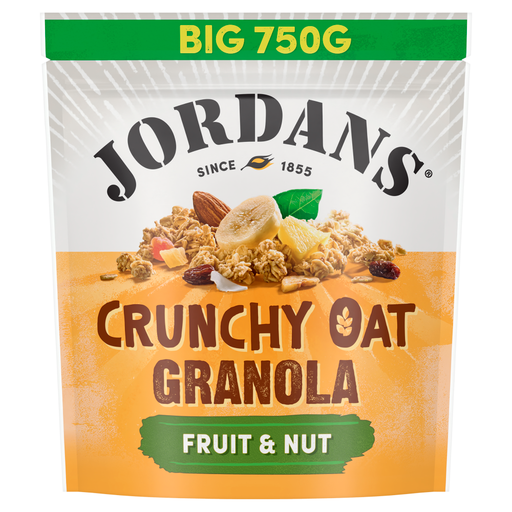
Why This Fits Their Persona: A practical choice for people who use granola across breakfast bowls, yoghurt toppings and snacks throughout the week.
Its 45g portion is stated separately from the 750g pack, making portion and storage planning clearer.
It contains 66% wholegrain oat flakes and 17% dried fruit, with almonds and sunflower seeds also listed.
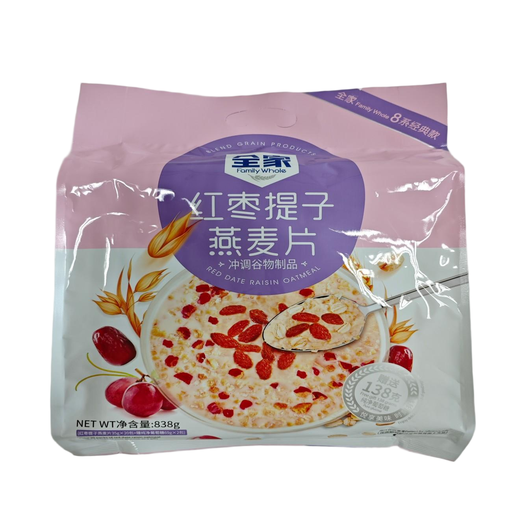
Why This Fits Their Persona: Twenty individual 35g sachets can be stored at home, taken to work or prepared when a measured warm breakfast is needed.
The sachet format avoids repeatedly measuring from a large bag, while the instructions specify approximately 175ml of boiling water.
The cereal contains 25% oat flakes, 10% raisins and 4% red dates; check the listed 28g sugars per 100g before purchase.
We have compiled a complete, real-time list of products that fully satisfy these strict selection criteria and UK safety regulations.
Ready-to-eat cereal, muesli and granola can all be served with milk or yoghurt. Shreddies offer a straightforward bowl option, while fruit and nut granola adds crunch to yoghurt. Check nut and milk allergen information before serving.
They can make preparation and portioning simpler, particularly for workdays or travel. However, compare the price per 100g and read the instructions carefully. Some sachets also include separate glucose or flavouring packets, which should be considered when assessing the full product.
Keep unopened cereal in a cool, dry place and follow the packaging guidance. After opening, fold or reseal the inner bag and close the box securely. Granola and muesli can lose their crunch in humid kitchens, so airtight storage is useful once the original packaging has been opened.