
24/7 Customer Support

Free returns

Same-day & Next-day Delivery

Quality Guaranteed

Unlock Your Welcome Offers: FREE Delivery | Up to 80% OFF | Free 30-day JoyPlus trial
Download the APP
Buying breakfast cereal should be simple, yet crowded shelves and online listings can make it difficult to compare value, nutrition and suitability. A colourful box may suggest wholesome ingredients, while a large pack may not offer the lowest cost per serving. Parents also need to consider allergens, portion sizes and whether a cereal will suit everyone at the breakfast table.
This guide explains the practical checks to make before ordering breakfast cereal online, followed by recommendations for different household needs.
A wholegrain cereal can provide fibre and a more substantial texture, but wholegrain content does not automatically mean low sugar. Sweetened coatings, syrups, chocolate fillings or dried fruit can significantly change the nutrition profile.
For example, cereals with wholegrain wheat or oats may still contain added sugar. Compare the “of which sugars” figure per 100g rather than relying only on front-of-pack wording.
Cereal brands often use different suggested portions, such as 30g or 40g. A smaller serving can make the figures appear lower, even when the per-100g values are higher.
Use the per-100g nutrition panel when comparing chocolate cereal, granola, children’s cereal or high-fibre cereal. Then consider how much your household actually pours into a bowl. Milk, yoghurt, fruit and toppings also add to the total energy and sugar content.
Wheat, barley, oats, milk, soya, peanuts and tree nuts appear frequently in cereal ingredients. Some products may also be made in facilities handling other allergens. Always read the latest packaging and allergen statement, particularly when ordering cereal online or buying for children.
Products imported from outside the UK can have different recipes, fortification levels and labelling conventions. Check the country of origin, ingredients and storage information before purchase rather than assuming that a familiar brand has the same formulation everywhere.
For everyday use, compare these three figures together:
Nutrition claims such as “high in fibre” have specific UK requirements, so the nutrition panel remains the clearest way to compare products objectively.
Ingredients are listed by weight. If wholegrain wheat, oats or maize appears near the beginning, it forms a substantial part of the recipe. Sugar, syrups, chocolate fillings and oils should also be noted.
For gluten-free cereal, look for clear gluten-free labelling and check the allergen statement. Morrisons Free From Gluten Free Oats contains 100% gluten-free oat flakes according to the supplied product information, while Nestlé Go Free Honey Nut Flakes lists peanuts and may contain nuts. People with coeliac disease or medically diagnosed allergies should follow their own dietary guidance and verify the pack before eating.
A cereal multipack or 1kg bag can reduce how often you reorder, but only if the household will finish it while the product remains fresh. Smaller boxes are useful for trying a new flavour, managing cupboard space or rotating children’s cereal.
For frequent breakfast eaters, larger options include Nestlé Shreddies Original Malted Wheats 1.1kg, Flahavan’s Organic Porridge Oats 1kg and Jordans Simply Granola 750g. Store opened cereal in a cool, dry place and reseal the inner bag to preserve texture.
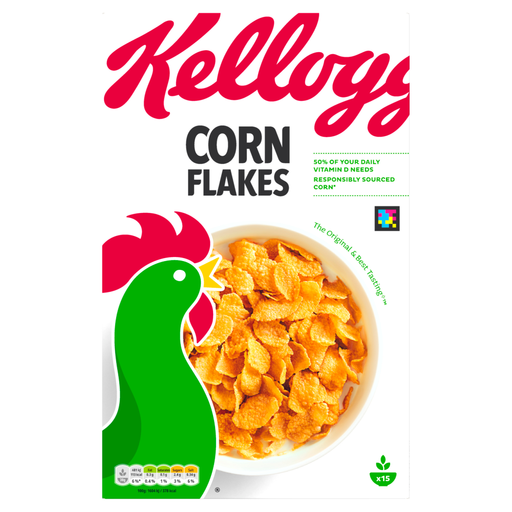
Why This Fits Their Persona: A familiar, straightforward cereal for households that want a versatile cupboard staple without committing to a large pack.
The 450g format makes it easier to trial or rotate products, while the nutrition panel gives a clear basis for comparing sugar and salt.
Lists 8g of sugars and 3g of fibre per 100g; suitable for vegetarians according to the supplied information.
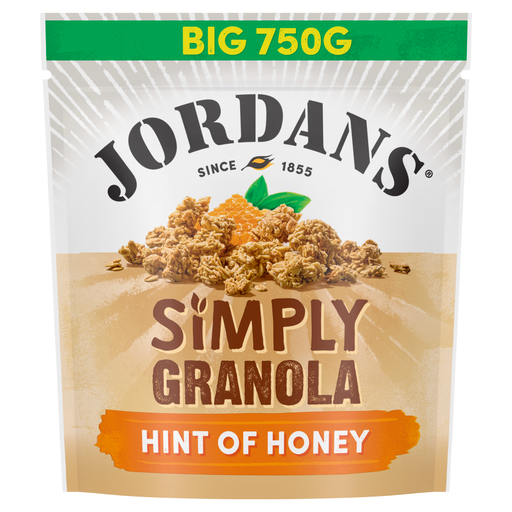
Why This Fits Their Persona: Suitable for shoppers who prefer oat-based granola with seeds, honey and a more textured bowl.
The listing specifies 81% wholegrain oat flakes, helping shoppers assess the recipe rather than relying on vague “natural” language.
Contains 6.3g fibre and 11g protein per 100g; supplied information states no palm oil, artificial flavours, colours or preservatives.

Why This Fits Their Persona: A practical option for active adults, larger households or anyone specifically comparing protein cereal formats.
The pack format supports regular use, while the stated 19g protein and 9.9g fibre per 100g can be checked directly against competing cereals.
Made with 92% wholegrain wheat and lists 4.7g sugars per 100g; suitable for vegetarians and vegans according to the supplied details.

Why This Fits Their Persona: Designed for shoppers seeking gluten-free oats for porridge, baking or flexible breakfast preparation.
The ingredient list is short and specific: gluten-free oat flakes at 100%, making it easier to assess than a heavily flavoured cereal.
1kg quantity with 8.6g fibre and 11.3g protein per 100g; suitable for vegetarians according to the supplied information.
We have compiled a complete, real-time list of products that fully satisfy these strict selection criteria and UK safety regulations.
A family breakfast cereal should match the preferences and dietary needs of everyone using it. Plain options such as cornflakes, wholegrain wheat squares or multigrain hoops can be served with different toppings. Check sugar, fibre, pack size and allergens before ordering. A mixed cupboard containing a plain cereal, porridge oats and one flavoured option can provide more flexibility than relying on a single large box.
Granola is not automatically lower in sugar or calories. It often contains oats, oils, seeds, honey or dried fruit, which affect its nutritional profile. Compare the per-100g figures and serving size. Jordans Simply Granola, for example, lists 418 kcal and 17g sugars per 100g, so portion control matters.
Keep cereal in a cool, dry place, close the inner bag securely and shut the box lid. Moisture can reduce crunch and affect texture. For larger cereal multipacks or 1kg bags, rotating opened packs and checking the best-before information can help reduce waste. Always follow the storage instructions printed on the packaging.