
24/7 Customer Support

Free returns

Same-day & Next-day Delivery

Quality Guaranteed

Unlock Your Welcome Offers: FREE Delivery | Up to 80% OFF | Free 30-day JoyPlus trial
Download the APP
Navigating the breakfast cereal aisle can feel like a nutritional minefield. Packages adorned with claims of "wholegrain goodness," "high fibre" and "natural ingredients" compete for your attention. Yet, many of these seemingly healthy options can conceal pitfalls that undermine a balanced start to your day. As a Joybuy Product Recommendation Officer, my role is to help you see past the marketing and focus on what truly matters in your bowl.
Before you add another box to your online basket, let's look at two of the most common traps UK shoppers encounter:
To make an informed choice, you need to become comfortable with reading the back of the pack. Here are the two most important areas to focus on.
To make a fair comparison between different types of breakfast cereal, always use the 'per 100g' column in the nutritional table. This standardises the information, allowing you to accurately assess what you're eating. Pay close attention to these three values:
Ingredients are listed in order of weight. If sugar, syrup, or glucose is one of the first three ingredients, the product is likely to be high in sugar. Look for cereals where the primary ingredients are wholegrains like oats, wheat or barley. This is also where you can verify claims for specific dietary needs:
To help you apply this knowledge, here are some recommendations matched to different needs and lifestyles.
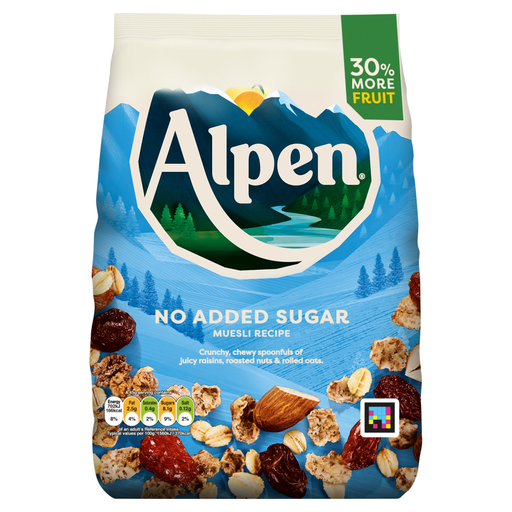
Why This Fits Their Persona: This is a classic, reliable muesli that provides a wholesome start without refined sugars. It's a blend of wholegrain wheat and oats, making it a high-fibre choice suitable for adults and children alike. The large 950g pack is practical and economical for daily family use.
It directly counters the hidden sugar trap with its 'no added sugar' formulation. The sweetness comes naturally from raisins, and the nutritional information is transparent.
High in wholegrains (75%) and a good source of fibre (8.0g per 100g). Contains a mix of almonds and hazelnuts for added texture and nutrients.
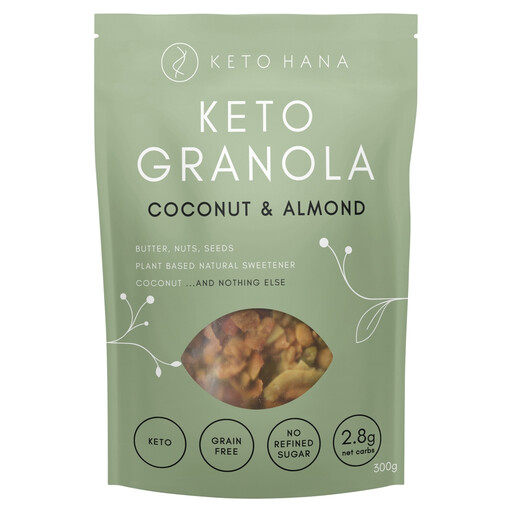
Why This Fits Their Persona: This keto granola is specifically formulated for those following a very low-carb lifestyle. Instead of grains, it uses a base of coconut, sunflower seeds, almonds and pumpkin seeds, providing a satisfying crunch without the carbohydrates of traditional granola.
It completely sidesteps the grain-based sugar trap by eliminating oats and wheat. Its low sugar content (5g per 100g) comes from natural sources, and it uses sweeteners like erythritol and stevia.
Extremely low in net carbs to support ketosis. It's also a source of protein (15g per 100g) and high in fibre (10g per 100g) from its nut and seed base.
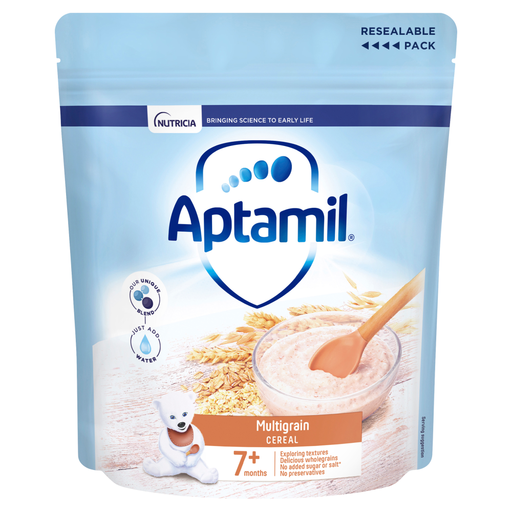
Why This Fits Their Persona: This baby porridge is specifically designed for the weaning journey. It has a thicker texture to help babies explore new sensations and is made from a blend of seven different grains to gently introduce new tastes.
It is formulated with no added sugar or salt, protecting a baby's developing palate. The nutritional profile is tailored for infants, not adults, so portioning is clear and appropriate.
Fortified with essential nutrients, including iron to support normal cognitive development and Vitamin D for healthy bone growth.
We have compiled a complete, real-time list of products that fully satisfy these strict selection criteria and UK safety regulations.
Not always. Muesli is typically a raw mix of oats, grains, nuts and fruit. Granola contains similar ingredients but is baked with an oil and a sweetener (like honey or syrup) to create crunchy clusters. This baking process often makes granola higher in calories, fat and sugar than a comparable muesli. The most reliable way to compare is by checking the 'per 100g' nutritional values on the labels.
The UK's traffic light labelling system is a helpful guide. Per 100g, a product is considered high in sugar if it contains over 22.5g, and low if it has 5g or less. For a breakfast you eat regularly, it's advisable to choose cereals that fall into the green (low) or amber (medium) categories for sugar.
Look for cereals that provide at least 6g of fibre per 100g. Products with wholegrain oats, wheat bran or barley as the main ingredient are excellent choices. The addition of seeds (like flax, pumpkin or sunflower) and nuts also boosts the fibre content, helping to support digestive health and keep you feeling satisfied through the morning.