
24/7 Customer Support

Free returns

Same-day & Next-day Delivery

Quality Guaranteed

Unlock Your Welcome Offers: FREE Delivery | Up to 80% OFF | Free 30-day JoyPlus trial
Download the APP
Choosing breakfast cereal online can appear simple until you compare serving sizes, sugar levels, wholegrain content, allergens and pack weights. Bright packaging and claims such as “multigrain”, “with vitamins” or “family favourite” do not always tell you whether a product suits your household.
This guide from the Joybuy Product Recommendation Officer focuses on the details that can prevent wasted money, disappointing portions and unsuitable purchases.
A cereal can contain wholegrain and still include a noticeable amount of sugar. Check the nutrition panel rather than relying on front-of-pack wording. For example, Nestlé Shreddies Original lists 96.1% wholegrain wheat, 12g of fibre and 12.5g of sugars per 100g. Its 40g serving contains 5g of sugars.
By contrast, chocolate cereal and highly sweetened children’s cereal can contain substantially more sugar. Kellogg’s Krave Chocolate Hazelnut lists 26g of sugars per 100g, while the supplied nutrition information for Kellogg’s Froot Loops with Marshmallows lists 41g per 100g. These may suit an occasional treat, but the difference matters when cereal is eaten every morning.
A large box is not automatically better value. A 1.1kg family-size cereal may offer more portions, while a smaller imported box can have a higher price per 100g. Before buying cereal online in the UK, compare:
A 30g serving of cereal may look generous on a label but may not match the portion poured into an adult’s bowl. If several people share a box, estimate weekly consumption before choosing between 330g, 450g, 750g and 1kg packs.
Fortified cereal can provide nutrients such as iron and B vitamins, but it should still be considered as one part of a varied diet. Additions such as milk, yoghurt, fruit or nuts can change the overall nutritional value of a bowl. Also check the complete ingredients and allergen statement, particularly for children.
Imported products may use different colourings or allergen wording. Lucky Charms, Reese’s Puffs and Froot Loops with Marshmallows include ingredient and warning information that UK households should read carefully, especially where children may be sensitive to particular colourings or where gelatine is unsuitable.
For a wholegrain cereal, look for wholegrain ingredients near the beginning of the ingredient list. Fibre figures can help distinguish between products that look similar. As a reference:
These figures are product-specific and should be checked against the current pack because formulations and serving sizes can change.
Use the per-100g panel for a fair comparison, then review the per-serving figures. This is particularly important when comparing porridge oats, granola, chocolate cereal and plain wheat biscuits.
Plain porridge oats typically have very little added sugar. Flahavan’s Organic Porridge Oats contain 100% organic wholegrain oat flakes, with 0.9g sugars and less than 0.01g salt per 100g in the supplied information. Granola can contain more fat and sugar because it often includes oil, syrup, honey or dried fruit. Jordans Simply Granola lists 17g sugars and 11g fat per 100g.
Read the bold allergen information every time. Common allergens across breakfast cereal include wheat, barley, oats, milk, soya, peanuts and tree nuts. “Suitable for vegans” is product-specific: Nestlé Shreddies Original is listed as suitable for vegans, while products containing milk, whey, gelatine or honey may not be.
For a vegan cereal, check both the ingredients and the product’s suitability statement. For nut allergies, avoid relying only on the main ingredients because “may contain” warnings can indicate shared manufacturing facilities.

Why This Fits Their Persona: A large pack suits households that want a familiar everyday breakfast and prefer to reduce frequent repurchasing.
The 1.52kg format makes it easier to compare value by weight, rather than choosing a smaller box based only on promotional packaging.
The supplied label lists 95% wholegrain wheat, 4.5g sugars and 0.27g salt per 100g.

Why This Fits Their Persona: Suitable for shoppers who prioritise a short ingredient list and want to customise breakfast with fruit, seeds or yoghurt.
It avoids hidden sweeteners in flavoured cereal: the supplied ingredients list contains only 100% organic wholegrain oat flakes.
It is supplied in a 1kg pack and provides 8.3g fibre, 11g protein and less than 0.01g salt per 100g.
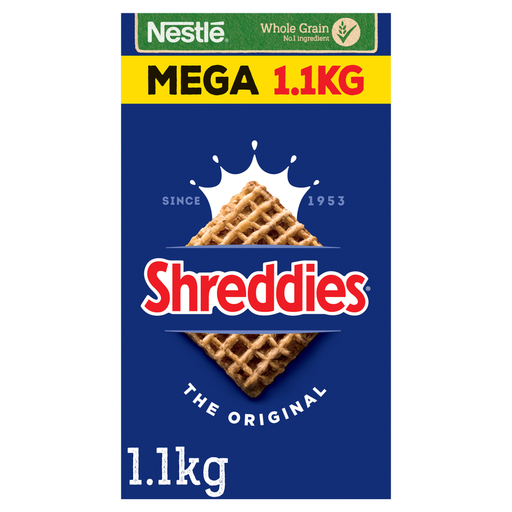
Why This Fits Their Persona: A practical option for families wanting a crunchy, malty cereal that can be served with cold or hot milk.
The ingredient and nutrition details make the wholegrain, fibre and sugar content visible, rather than relying only on the “energy” message.
The 1.1kg pack lists 12g fibre per 100g and is marked suitable for vegans, with no artificial colours or flavours stated in the description.
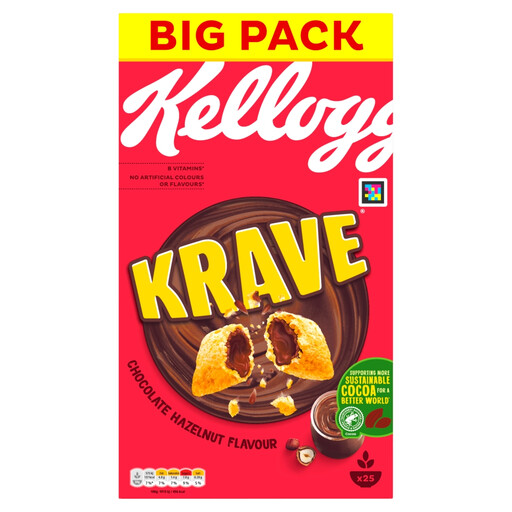
Why This Fits Their Persona: Designed for households that prioritise filled chocolate pieces and a sweeter breakfast option over a plain everyday cereal.
The label clearly identifies hazelnut, milk, oats and wheat, helping shoppers check suitability before ordering rather than discovering allergens at home.
The 750g pack combines wheat-and-oat flakes with a hazelnut chocolate filling and lists B vitamins in the supplied nutrition information.
We have compiled a complete, real-time list of products that fully satisfy these strict selection criteria and UK safety regulations.
Wholegrain cereal can provide more fibre, but “healthy breakfast cereal” is not determined by one phrase on the box. Compare wholegrain percentage, fibre, sugars, salt and serving size. Plain porridge oats, Weetabix, Shreddies and Cheerios all have different nutritional profiles, so choose according to your household’s needs.
Keep cereal in a cool, dry place and reseal the inner bag or fold it tightly after opening. This helps preserve crunch and reduces exposure to moisture. Always follow the storage instructions and check the best-before information on the pack.
Granola can be convenient and filling, but compare its sugar and fat values with plain cereal or porridge oats. Jordans Simply Granola, for example, includes wholegrain oats, vegetable oil, honey and sunflower seeds. Serve according to the stated portion and add fresh fruit or yoghurt if desired.