Buying priorities
Start with the breakfast format your household will actually use, then compare like-for-like pack measures and check the label before committing to a larger pack.
| Priority |
What to check |
Your needs |
| Comparable pack value |
Compare loose cereal by unit price per kilogram. Compare wheat biscuits by biscuit, and sachets by sachet or kilogram. Check the pack will be used regularly. |
A larger box only helps me if it gives a useful comparable unit price and will not sit open for weeks. |
| Morning preparation |
Check whether the cereal is ready to eat or needs a microwave. For warm sachets, confirm that a microwaveable bowl and your chosen liquid are available. |
On rushed mornings, I need a breakfast that fits the time and equipment in my kitchen. |
| Wholegrain and fibre details |
Read the ingredient list and nutrition panel for the exact product. Compare fibre figures on the same basis, such as per 100g or per stated serving. |
I want enough pack information to compare wholegrain ingredients and fibre within the cereal format I am considering. |
| Allergen suitability |
Read emphasised allergens, the full ingredients list and any precautionary statements. Select an explicitly gluten-free product when gluten-free cereal is required. |
I need the current pack to fit the allergen or gluten requirements in my household, not just a familiar cereal name or format. |
Joybuy cereal options
These Joybuy options cover warm porridge, large wheat-biscuit packs, ready-to-eat cereal and muesli for repeated weekday breakfasts. Compare the live product information and current pack label against your household's portion, storage and allergen needs.
 No image available
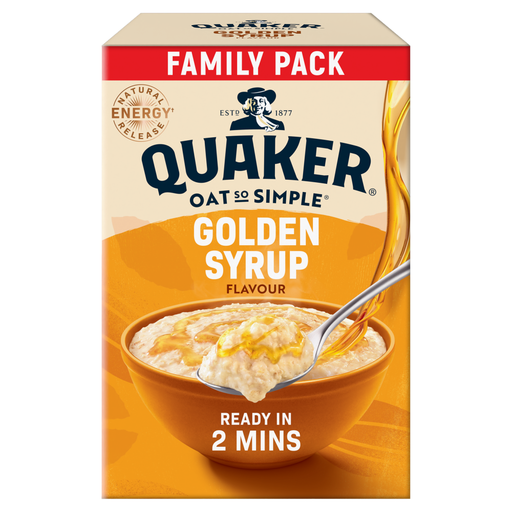
Quaker Oat So Simple Golden Syrup Family Pack, 20 Sachets 720g
A warm weekday option with 20 individually portioned sachets and stated two-minute microwave preparation.
The listing states 81% wholegrain oats and 7.3g fibre per 100g. It contains oats and may contain barley, wheat and soya; it is not suitable for a gluten-free requirement. Check the live pack information before buying.
Joybuy
 No image available
Weetabix Super Size 72 Pack 1.52kg
A large wheat-biscuit format for households that regularly serve cereal on weekday mornings.
The listing states 72 biscuits, 1.52kg and 95% wholegrain wheat. It contains wheat and barley, and the large pack needs dry storage and regular use to remain practical.
Joybuy
 No image available
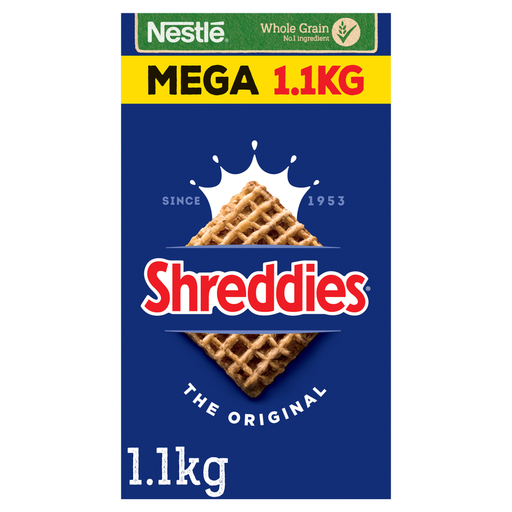
Nestlé Shreddies Original Malted Wheats 1.1kg
A large ready-to-eat cereal for weekday bowls with cold or hot milk.
The listing states 96.1% wholegrain wheat and 12g fibre per 100g. It contains wheat and barley malt extract and may contain peanuts and nuts; store the 1.1kg pack dry and use it regularly.
Joybuy
 No image available
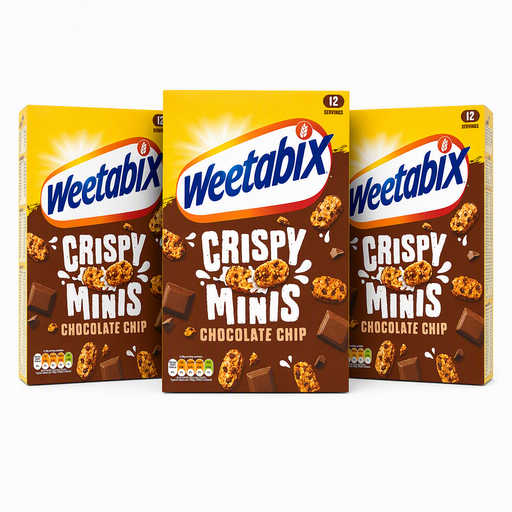
Weetabix Crispy Minis Chocolate 1.5kg, 3 x 500g
A substantial cereal supply split into three separately packed 500g bags, which may help with storage between openings.
The listing states 64% wholegrain wheat, 9g fibre and 18g sugars per 100g. It contains wheat and barley and may contain milk, tree nuts and soya.
Joybuy
 No image available
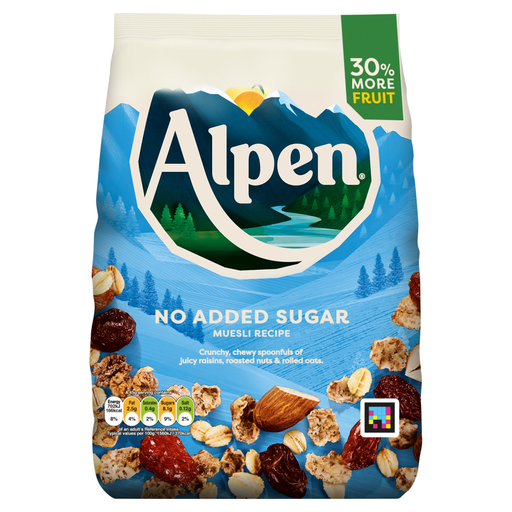
Alpen No Added Sugar Muesli 950g
A larger muesli format for households that regularly choose a fruit-and-nut cereal bowl.
The listing states 42% wholegrain wheat, 33% rolled oats and 8g fibre per 100g. It contains wheat, oats, milk, almonds and hazelnuts, and may contain other nuts.
Joybuy
Frequently asked questions
How should I compare a cereal value pack with a porridge sachet pack?
Compare the unit shown for each format: loose cereal by kilogram, wheat biscuits by biscuit, and sachets by sachet or kilogram. A lower packet total does not by itself show that one format is the lower-cost choice for the number of breakfasts your household needs.
Is a big cereal box always better value?
No. Tesco's Weetabix listings showed a lower displayed price per biscuit for the 48-pack than for the cited 24- and 12-pack formats, but a larger pack is only practical value if your household will use it while it remains in good condition. Follow the pack's storage instructions after opening.
Are ordinary corn flakes suitable for a gluten-free diet?
Not necessarily. Kellogg's lists barley and possible gluten from other cereals for its Corn Flakes. When gluten-free cereal is required, choose a product explicitly labelled gluten free and read the current ingredients and allergen information; Nestlé describes its GoFree Corn Flakes as gluten free but also warns that they may contain peanuts and nuts.
What does UK law require on cereal allergen labels?
GOV.UK states that prepacked foods containing any of the 14 regulated allergens must clearly identify them in the ingredients list. For cereal, use the current pack label to check relevant ingredients and warnings rather than relying on an older product image or listing.
Do I need to check the label again if I have bought the cereal before?
Yes. Kellogg's and Nestlé advise checking the pack information because recipes and product details can change. This is especially important where an allergy, coeliac disease or another medically necessary dietary requirement affects the choice.


