
24/7 Customer Support

Free returns

Same-day & Next-day Delivery

Quality Guaranteed

Unlock Your Welcome Offers: FREE Delivery | Up to 80% OFF | Free 30-day JoyPlus trial
Download the APP
Choosing breakfast cereals and grains can look simple until you compare ingredient lists, pack sizes and preparation methods. A colourful box may contain less fruit than expected, while a large family-size cereal can offer poor value if much of the pack is sugar or the product goes stale before it is finished.
This guide from the Joybuy Product Recommendation Officer focuses on practical details: what to check, which products suit different households and how to avoid paying for features that do not match your routine.
Words such as “fruit and nut”, “wholegrain” or “natural” do not tell you how much of each ingredient is present. For example, a granola may contain a high proportion of wholegrain oat flakes but also include sugar, oil, dried fruit and syrup. Compare the quantitative ingredient declaration rather than relying on the front of the pack.
The same applies to instant cereal sachets. A product may include oat flakes, fruit powders or grains, but the ingredient list and nutrition panel show their actual proportions.
Porridge oats, rolled oats, jumbo oat flakes and instant sachets have different preparation requirements and textures. Jumbo rolled oats generally need more cooking than quick oats, while sachets are designed for convenience and portion control.
Bulgur wheat, quinoa and black rice are not ready-to-eat breakfast cereals. They require cooking or preparation, making them more suitable for meal planning, grain bowls, porridge-style dishes or baking.
Wholegrain cereal does not automatically mean gluten-free. Wheat, barley, rye and oats can all appear in cereal products, and cross-contact warnings may also be relevant. Always check the current pack for allergen information, particularly where a household includes someone with a food allergy or coeliac disease.
Dry goods also need suitable storage. Most products should be kept in a cool, dry place and resealed after opening. A 1kg bag may cost less per 100g but is not necessarily economical if it loses freshness before use.
Ingredients are listed in descending order by weight. Look for the main grain near the beginning of the list. Quaker Jumbo Rolled Oats, for example, lists 100% wholegrain oat flakes, while Flahavan’s Organic Porridge Oats also lists 100% organic wholegrain oat flakes.
For muesli and granola, check the percentages of oats, wheat, fruit, nuts and added sugar. Alpen Original Muesli contains wholegrain wheat at 39%, wholegrain rolled oats at 35%, raisins at 16% and nuts at 2%. This gives a clearer picture of what the pack contains than the product name alone.
Use the per-100g panel when comparing products, because serving sizes vary. Check:
The stated serving size is still useful for budgeting. A 40g portion of cereal may not match the amount poured into a typical family bowl, so consider how many servings the household actually gets from each pack.
Porridge oats can be cooked on the hob or in a microwave, while overnight oats need soaking time. A 20-sachet family pack is convenient for busy mornings but may cost more per serving than a plain 1kg bag of rolled oats.
For cooking, Morrisons Quinoa 300g provides 10 portions based on its listed 80g serving size and requires cooking. Bulgur wheat is suitable for salads and side dishes, while wholemeal flour is intended for home baking rather than direct consumption. Match the product with your planned use before comparing price.
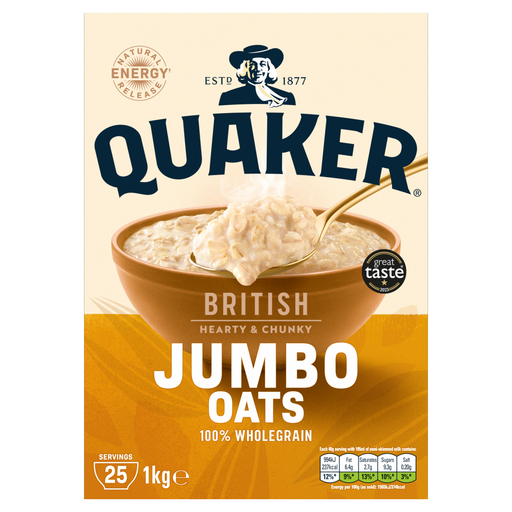
Why This Fits Their Persona: A single 1kg pack can support porridge, overnight oats, baking and toppings, making it practical for shoppers building a versatile breakfast cupboard.
The ingredients list contains 100% wholegrain oat flakes, without a fruit or chocolate coating that could obscure the core product.
100% wholegrain oats; 1kg pack; 9g dietary fibre and 11g protein per 100g as listed.

Why This Fits Their Persona: Suitable for shoppers who prioritise organic wholegrain oat flakes and a straightforward ingredient list for regular porridge.
The pack identifies 100% organic wholegrain oat flakes, avoiding vague multi-grain wording.
1kg format; 8.3g fibre and 11g protein per 100g; salt listed at less than 0.01g per 100g.
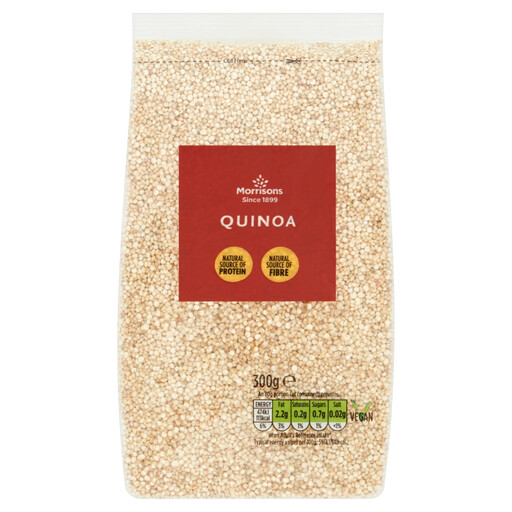
Why This Fits Their Persona: A useful choice for cooks preparing grain salads, meal-prep bowls or savoury breakfast dishes rather than a ready-to-pour cereal.
The product clearly states that cooking is required, helping prevent confusion between raw grains and instant breakfast products.
100% quinoa; listed as suitable for vegan and vegetarian diets; 300g pack with 10 portions.
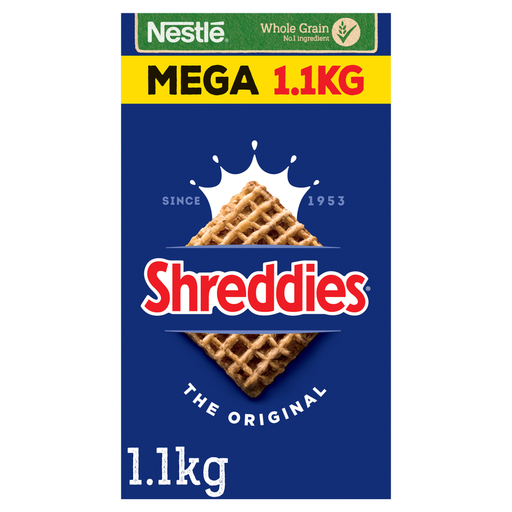
Why This Fits Their Persona: The 1.1kg family-size cereal format is suited to households wanting a familiar, quick-to-serve option for weekday mornings.
The label gives wholegrain wheat as 96.1% of the ingredients, rather than presenting a small grain component as the main feature.
1.1kg pack; 12g fibre per 100g; suitable for vegans according to the product information.
We have compiled a complete, real-time list of products that fully satisfy these strict selection criteria and UK safety regulations.
Choose a product that needs little or no preparation, such as a ready-to-serve wholegrain cereal, muesli or individual porridge sachets. Check the serving instructions and pack format. Plain rolled oats offer flexibility but usually require cooking or soaking.
No. Quinoa and bulgur wheat are grains or grain-like ingredients that generally need cooking. They can be used in savoury breakfast bowls, salads and meal preparation, but they are not direct substitutes for ready-to-eat cereal.
Keep them in a cool, dry place and reseal the original bag or transfer the contents to an airtight container. Follow the best-before information on the packaging, and check for changes in smell, texture or appearance before use. For households that use grains slowly, a smaller pack may offer better practical value than a larger one.