
24/7 Customer Support

Free returns

Same-day & Next-day Delivery

Quality Guaranteed

Unlock Your Welcome Offers: FREE Delivery | Up to 80% OFF | Free 30-day JoyPlus trial
Download the APP
Choosing breakfast cereals and grains should be straightforward, but attractive packaging can hide important differences. A large box may contain a modest amount of cereal, while terms such as “natural”, “protein” or “whole grain” do not always tell you how much sugar, salt, fibre or allergen risk is present.
Whether you need porridge oats, a quick breakfast for workdays, family ingredients or snacks for busy journeys, the following checks can help you spend more wisely.
A 1.5kg cereal box may look economical, but serving sizes vary considerably. Compare the price per 100g, not just the total pack price. Also check whether a product contains individual sachets, which may reduce waste and improve portion control but sometimes increase packaging.
For example, a 700g cereal product supplied in 20 individual 35g packets offers a clear serving format. By contrast, a loose bag may be more flexible for larger portions or family sharing.
A protein cereal bar may contain more protein than a standard cereal, but it can also contain substantial fat, sugar or salt. Nature Valley Protein Peanut & Chocolate Cereal Bars list 25.6g of protein and 10.7g of dietary fibre per 100g, alongside 17.1g of sugars and 28.3g of fat.
Similarly, fruit and nut cereal can include dried fruit, coconut, seeds and nuts while still containing added sweeteners or oils. Xiao Tian Fruit & Nut Oat Crunch lists oat flakes at 47% or more and 22.9g of dietary fibre per 100g, but it also contains almonds and cashews. The ingredient list matters as much as the front-of-pack description.
Oats are naturally free from wheat, rye and barley, but they can be exposed to gluten during growing, transport or processing. People who need to avoid gluten should look for a clearly labelled gluten-free product and check the allergen statement every time.
The Morrisons Free From Gluten Free Oats product lists 100% gluten-free oat flakes. However, consumers with coeliac disease or a medically advised gluten-free diet should still verify the current packaging and any relevant certification before purchase.
Ingredients are listed by weight, so the first few entries give a useful indication of what the product mainly contains. For a simple oat cereal, look for oats or oat flakes near the beginning of the list. In a chocolate cereal, sugar, chocolate filling and syrups may appear prominently.
Check allergens in bold on the packaging. Common cereal and grain allergens include:
This is particularly important when buying multigrain cereal, fruit and nut mixes, cereal bars or baby cereal.
Use the per-100g panel to compare products consistently. Useful figures include:
Serving information is also important. Kellogg’s Krave Milk Chocolate lists 25g of sugars per 100g and 7.5g per 30g serving. A 30g serving may look modest in a bowl, so measure once at home to understand how much you typically eat.
Some foods are ready-to-eat cereal, while others need cooking or boiling water. Sweet corn can be eaten directly or added to salads, fried rice and soup. Raw yellow millet requires thorough washing and cooking, so it is a pantry ingredient rather than an instant breakfast.
For dry cereals and oats, reseal the pack and store it in a cool, dry place. Once opened, follow the product instructions. Ready-to-eat corn should generally be refrigerated in a sealed container and consumed promptly after opening, according to its packaging.

Why This Fits Their Persona: A larger 1kg pack suits regular porridge eaters, home bakers and shoppers comparing cost per portion.
The ingredient list contains 100% gluten-free oat flakes, without a sweetened flavour coating.
1kg pack; 8.6g fibre and 11.3g protein per 100g; suitable for porridge and baking.
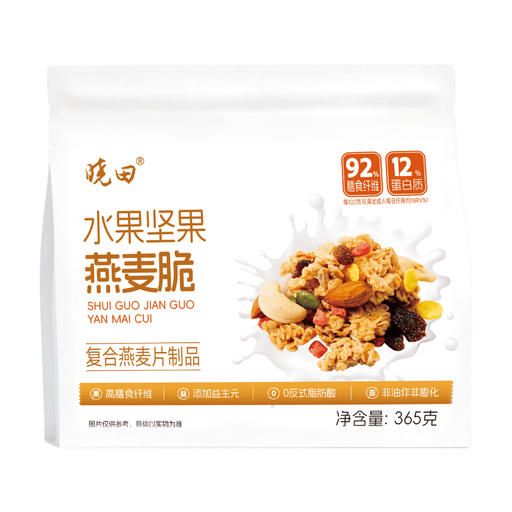
Why This Fits Their Persona: Suits shoppers who want texture and variety from one bowl, with fruit, seeds, nuts and oat cereal.
The oat proportion and allergen information are stated, making it easier to judge the blend rather than relying on front-of-pack imagery.
Contains oat flakes at 47% or more; 22.9g dietary fibre per 100g; ready to eat with milk or yoghurt.
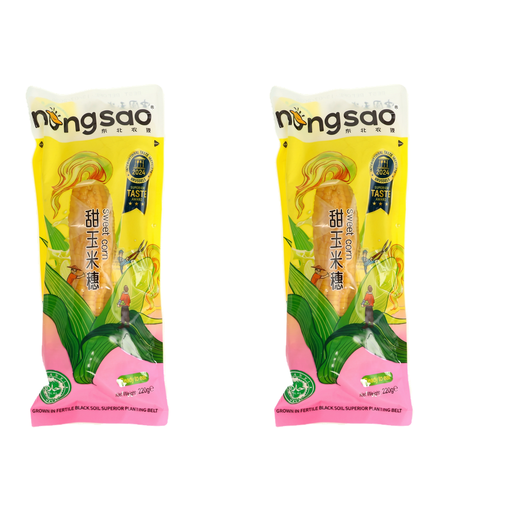
Why This Fits Their Persona: A practical choice for households using corn in packed lunches, salads, fried rice, soups and side dishes.
It is pre-cooked and lists sweet corn, water and edible salt, avoiding a complicated sauce or seasoning mix.
Two 220g packs; ready to eat; 85 kcal and 3.2g protein per 100g.
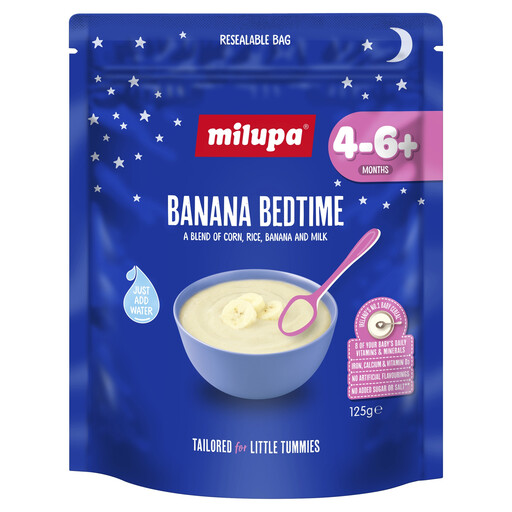
Why This Fits Their Persona: Designed for parents introducing smooth cereal textures, with preparation instructions and age guidance provided.
The pack specifies preparation, storage and supervision guidance rather than leaving parents to estimate suitability.
Suitable from 4–6+ months as stated on the product; contains maize, rice, banana and milk; includes iron, calcium and vitamin D3.
We have compiled a complete, real-time list of products that fully satisfy these strict selection criteria and UK safety regulations.
Oats can be prepared as porridge with water or milk, or used in overnight oats, baking and smoothies. Plain porridge oats usually give you more control over sweetness than pre-flavoured sachets. Check the label if you require gluten-free oats, and use a suitable preparation method for your dietary needs.
Keep dry cereal, grains and oats sealed in a cool, dry place away from direct sunlight and humidity. Use a clean, dry scoop and follow the best-before guidance. Opened ready-to-eat corn should be transferred to a sealed container, refrigerated and consumed promptly according to the product instructions.
Compare the price per 100g, then consider the number of portions, preparation time and food waste. A larger bag may cost less per serving, while individual sachets can be useful for portion control and workday convenience. For a family, a combination of porridge oats, ready-to-eat cereal and versatile grains such as millet or corn may cover more meals than buying several heavily flavoured products.