
24/7 Customer Support

Free returns

Same-day & Next-day Delivery

Quality Guaranteed

Unlock Your Welcome Offers: FREE Delivery | Up to 80% OFF | Free 30-day JoyPlus trial
Download the APP
Choosing breakfast cereals and snack bars should be straightforward, but attractive packaging can make comparison difficult. A cereal may appear “wholesome” because it features oats or fruit, while a snack bar may suggest sustained energy without making its sugar, fat or portion size immediately clear.
This guide from the Joybuy Product Recommendation Officer focuses on practical checks for UK shoppers, including busy professionals, families, gym-goers and people choosing gluten-free, vegan or reduced-sugar snacks.
Words such as “natural”, “wholegrain” and “energy” do not provide a complete nutritional picture. Check the nutrition table per 100g and, where available, per serving. Granola and oat bars can contain useful fibre but may also be relatively high in calories, sugars or saturated fat.
For example, Jordans Simply Granola lists wholegrain oat flakes as 81% of its ingredients, but also contains sugar and vegetable oil. This does not make it unsuitable; it simply means portion size matters.
Sugar-free biscuits may use sweeteners such as maltitol or isomalt. Gullon Zero Sugar Free Original Digestives, for instance, lists less than 0.5g sugars per 100g, but still provides 430 kcal per 100g. Its packaging also warns that excessive consumption may produce a laxative effect.
Read the full label rather than judging a product by one front-of-pack claim.
A product labelled gluten-free is not interchangeable with one that simply contains oats. Check whether the pack identifies wheat, barley, rye, soya, milk, peanuts or tree nuts, and read “may contain” statements where relevant.
This is particularly important when buying gluten-free snacks for someone with coeliac disease or a food allergy. Always use the latest packaging information, as recipes and manufacturing arrangements can change.
For everyday breakfast choices, compare dietary fibre per 100g and the ingredient order. Ingredients are listed by weight, so a wholegrain cereal should identify wholegrain ingredients prominently.
Xiao Tian Fruit & Nut Oat Crunch lists oat flakes at 47% or more and provides 22.9g of fibre per 100g according to the supplied product information. By comparison, Nestlé Shreddies Frosted lists 85% whole wheat and 8g of fibre per 100g. These products suit different preferences: one prioritises a mixed fruit-and-nut texture, while the other offers a more traditional cereal format.
Use the traffic-light panel where provided, then check the serving size against how much you actually eat. A small bar may be convenient, but several bars can turn into a substantial snack.
Some useful reference points from the listed products include:
These figures are not a health endorsement. They help you select according to your own eating pattern and dietary requirements.
Choose between a large cereal or granola bag for regular breakfasts, individually wrapped cereal bars for commuting, or single-serve oat flakes for quick preparation. Consider:
For example, Family Whole Purple Sweet Potato Yam Oat Flakes contains 20 individual 35g sachets, while a 600g cereal box is more suitable for cupboard storage and repeated home servings.
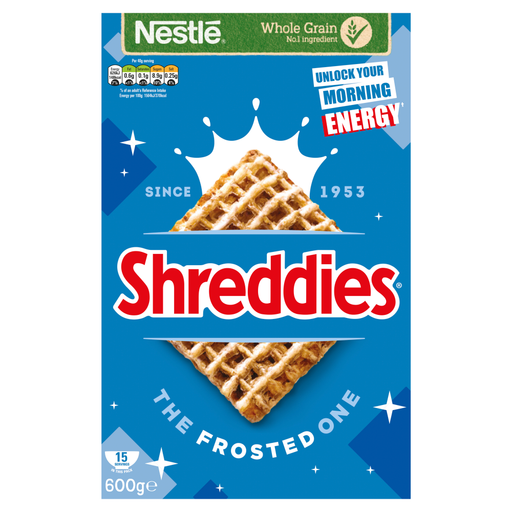
Why This Fits Their Persona: A familiar large-format cereal for shared cupboards, weekday breakfasts and simple serving with milk.
The label identifies whole wheat at 85% and gives fibre and sugar values, making it easier to compare rather than relying on front-of-pack imagery.
600g pack; 8g fibre and 9g protein per 100g; suitable for a conventional breakfast or dry snacking.
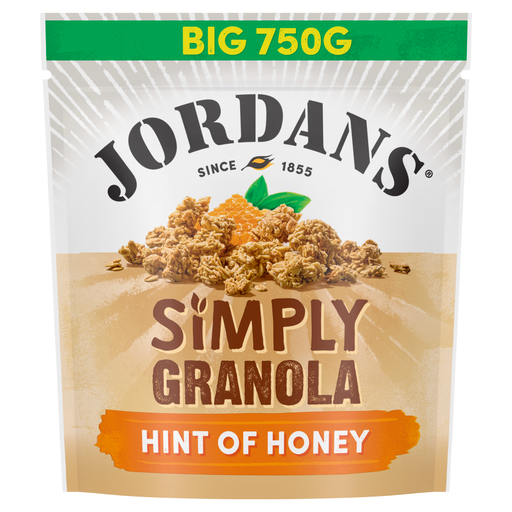
Why This Fits Their Persona: A larger granola format for shoppers who want a textured breakfast base to combine with fruit, yoghurt or milk.
The ingredient list clearly shows 81% wholegrain oat flakes, while the nutrition panel makes the 17g sugar per 100g visible.
750g pack; 6.3g fibre and 11g protein per 100g; made in the United Kingdom according to the supplied listing.

Why This Fits Their Persona: A shelf-stable crispbread for gluten-free households, packed lunches and topping with savoury or sweet ingredients.
The supplied listing identifies it as gluten-free and lists corn, rice and psyllium fibre ingredients, while still advising shoppers to check the pack.
5g fibre and 2.5g sugars per 100g; neutral flavour suitable for toppings; no allergens listed in the supplied information.
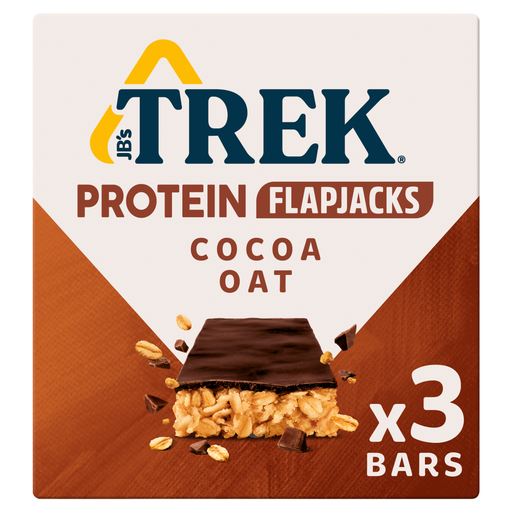
Why This Fits Their Persona: Individually portioned protein flapjacks for a work bag, train journey, gym visit or on-the-go breakfast.
The listing gives protein per 50g bar, helping shoppers assess the actual portion instead of relying only on the word “protein”.
9g protein and 227 kcal per 50g bar; made with gluten-free oats; contains soya, which should be checked against dietary needs.
We have compiled a complete, real-time list of products that fully satisfy these strict selection criteria and UK safety regulations.
They can be convenient when paired with a drink or another food, but suitability depends on the individual bar’s calories, fibre, sugars and protein. Check the per-bar figures and avoid assuming that every oat bar is nutritionally equivalent to a bowl of cereal.
Follow the best-before date and store products in a cool, dry place. Reseal cereal, granola and crispbread after opening to reduce loss of texture. Individually wrapped bars generally remain convenient for longer in a work bag, but should not be stored in excessive heat.
Calculate the cost per 100g for cereal, granola and biscuits, or the cost per bar for multipacks. Then compare the actual serving size. A larger pack may reduce the unit price, while individually wrapped portions can reduce waste for commuters and families.