Space-first breakfast juicers
If the appliance must be put away after breakfast, check both its assembled dimensions and the space needed to use and store it. A compact-looking base will not help if the juicer is too tall for its cupboard.


For a small kitchen and a time-limited breakfast routine, consider a compact centrifugal juicer if worktop fit and straightforward cleaning come first. A compact slow juicer is worth considering when you regularly use leafy greens or fibrous vegetables, but check its assembled height, feeding process and cleaning steps before choosing it. Neither format is automatically the better fit for every kitchen or recipe.
If the appliance must be put away after breakfast, check both its assembled dimensions and the space needed to use and store it. A compact-looking base will not help if the juicer is too tall for its cupboard.
If you expect to make juice most mornings, look closely at dismantling, rinsing and the dishwasher instructions for the exact model. A cleaning feature on one product does not apply to every juicer in its range.
If leafy greens, celery or carrots feature regularly in your recipes, consider a slow juicer and check its ingredient guidance and feed design. Allow for its feeding and cleaning routine rather than choosing on extraction claims alone.
Consider it when: A compact worktop footprint and a manageable routine for fruit or firm vegetables are your priorities.
Keep in mind: Check the exact model's ingredient guidance and removable parts; a compact or quick-clean claim does not settle either question.
Consider it when: Leafy greens or fibrous produce are regular ingredients and you are comfortable with an auger-based process.
Keep in mind: A small footprint can still come with substantial height, produce preparation and parts to clean.
| Concern | What to check | Who this matters to |
|---|---|---|
| Worktop and storage fit | Compare assembled width, depth and height with the intended counter and cupboard space; leave room to feed produce and remove parts. | I need to put the juicer away after breakfast without struggling to find space for it. Around 36% of consumers would put storage fit first. |
| Morning clean-up | Check which parts detach, which are dishwasher-safe and what the exact model's cleaning instructions require. | On a busy morning, I need a cleaning routine I can repeat without leaving parts in the sink. Roughly 36% of consumers would make clean-up their primary concern. |
| Greens and fibrous produce | Check the manufacturer's guidance for your usual ingredients, along with the feed opening and preparation required. | My breakfast juice often includes greens, celery or carrots, so the feeding process matters more to me than a general compactness claim. For about 28% of consumers, ingredient flexibility would take priority. |
A modest worktop footprint does not tell you whether the assembled juicer fits below wall cupboards or in its storage spot. Hurom describes cupboard height as a consideration for its HP model.
Measure the available width, depth and height, including the room needed to lift a lid, add produce and remove the pulp container.
Dishwasher guidance and quick-clean features vary by model and component. Philips' QuickClean descriptions and Ninja's dishwasher guidance should be read for the specific juicer you are considering.
Check its manual for detachable parts, dishwasher instructions and any cleaning sequence before relying on those features for daily use.
Manufacturer descriptions of yield, oxidation or nutrient retention do not establish a like-for-like advantage across ingredients and models.
Choose around the ingredients and workflow you need; if a measured difference would decide the purchase, look for independent tests using comparable conditions.
The Philips HR1832/01 centrifugal juicer and Philips HR1889/71 masticating juicer are different models. Information about the size or features of one should not be applied to the other.
Match the full model number before comparing specifications, and check the listed unit's plug, voltage and included parts when purchasing.
These brands illustrate different juicer designs; compare the exact model rather than assuming that a brand's wider range shares its features.
Its Viva Collection HR1832/01 is a compact centrifugal model to consider when worktop space and a straightforward breakfast routine matter.
The JC151UK offers a slow-juicer route for buyers considering an auger and anti-clog filter.
Its HP vertical slow juicer is relevant if both worktop area and cupboard height shape your choice.
The REVO830 is relevant when carrots, celery or other fibrous ingredients are frequent breakfast choices.
The centrifugal VitaJuice 3 MES3500GB is an alternative when its motor specification and two speed settings matter more than seeking a particularly small appliance.
These options cover a centrifugal juicer, a masticating juicer and citrus-focused tools. Start with the ingredients you actually use, then check the space and cleaning requirements of the model that suits your routine.
 No image available
Consider this centrifugal model if you want to prepare fruit and vegetable juice as part of your breakfast routine. Its listed features include an 800 W motor, 1.5 L pulp basin and 3-inch chute. Measure your available space and confirm the voltage and plug of the actual unit before buying.
 No image available
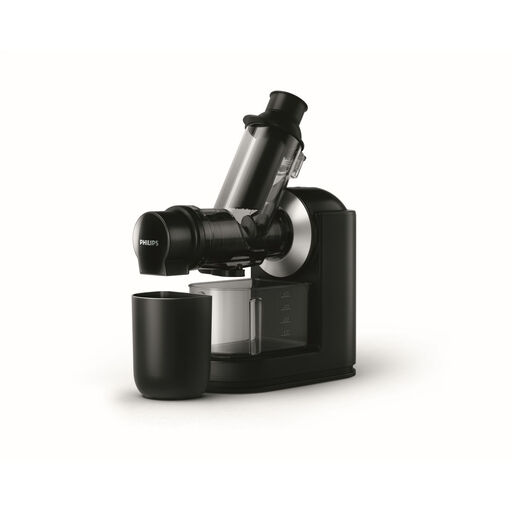
This is a masticating option to consider if your breakfast recipes regularly include vegetables or greens. Allow for its slower feeding process and check assembled height and depth against your counter and cupboard space. It is a different model from the Philips HR1832/01 centrifugal juicer.
 No image available
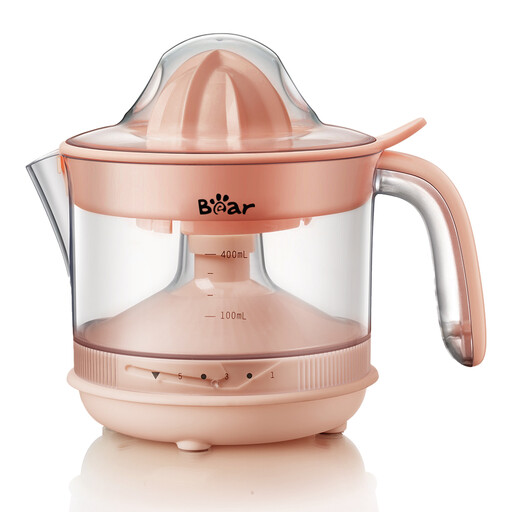
Consider this model if your breakfast juice is mainly citrus and adjustable pulp level matters to you. The title states a 110 mm feed chute, while the described instructions involve halved citrus; check the actual opening and preparation needed rather than assuming it takes whole fruit. Check its dimensions and care instructions for your kitchen.
 No image available
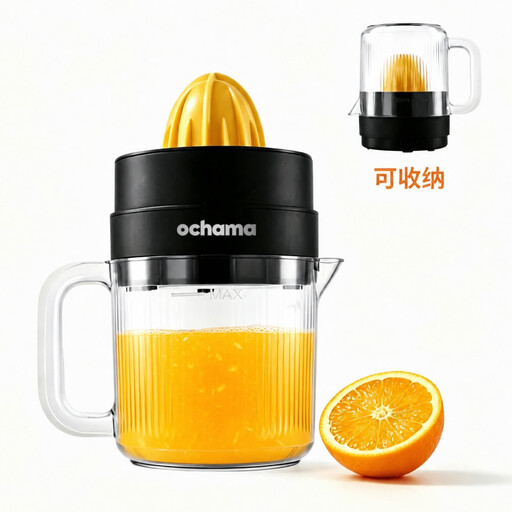
This electric press suits a breakfast routine centred on oranges, lemons and other citrus fruit. The listed container capacity is 1.4 L. Check its assembled dimensions and cleaning instructions before deciding whether it works in your available space.
 No image available
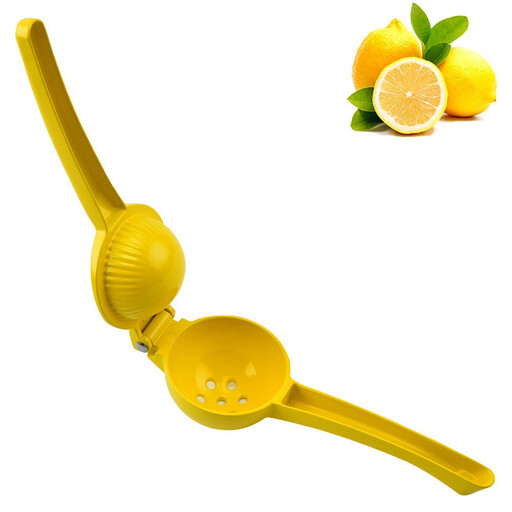
For occasional juice from halved lemons, limes or small oranges, this manual clip offers a non-electric citrus option. It is not a substitute for choosing a juicer for greens or vegetables; check its dimensions and care instructions if storage and cleaning are your deciding factors.
Choose according to your ingredients, available space and morning routine: a compact centrifugal model is worth considering when fit and straightforward cleaning come first, while a slow juicer may suit regular greens and fibrous produce. Measure the exact appliance and check its feeding and cleaning steps; “cold press” alone does not establish a nutritional advantage.
No: dishwasher guidance applies to the parts identified for the exact model, not automatically to the whole appliance. Philips UK says the removable parts of its HR1832/01 are dishwasher-safe, while Ninja Kitchen UK identifies removable parts including the jug and pulp container for its JC151UK. Check the relevant manual before washing any component.
Check your local authority or retailer for an electrical-equipment collection route. GOV.UK's guidance on waste electrical and electronic equipment describes responsibilities across the supply chain; it does not identify which collection option is available for your particular appliance and location.