
24/7 Customer Support

Free returns

Same-day & Next-day Delivery

Quality Guaranteed

Unlock Your Welcome Offers: FREE Delivery | Up to 80% OFF | Free 30-day JoyPlus trial
Download the APP
Expressing and storing milk can make feeding routines more flexible, whether you are returning to work, sharing feeds overnight or building a supply for days out. However, not all breast milk storage bags are equally convenient in a busy UK household.
The attractive price of a large pack may hide weak seals, awkward pouring or bags that take up too much freezer space. Before buying, look beyond claims such as “extra secure” or “advanced temperature sensing” and check the practical details that affect daily use.
A double zipper can help create a more secure closure, but it does not remove the need to seal the bag carefully. Milk may leak if the zipper is not fully closed, the bag is overfilled or the side seam is damaged. A useful design should also include reinforced seams and a clear sealing area that is easy to check.
Many breast milk storage bags hold around 180ml, while some reusable options hold 220ml or more. A larger capacity is not automatically more economical if your usual expressed quantity is smaller. Leaving sufficient space for expansion when freezing is important, so avoid filling bags to the maximum line.
Temperature-sensing breast milk bags can provide a visual reference, but a colour strip is not a substitute for following safe storage and warming practices. The indicator may show whether the contents are cold, within the stated feeding range or hot, but always follow the product instructions and check the milk before feeding.
Look for clearly stated BPA-free materials and check whether the bags are pre-sterilised or require cleaning before use. Disposable breast milk storage bags are generally designed for one use only. Reusable breast milk storage bags need thorough washing, drying and sterilisation according to the manufacturer’s instructions.
The material should be suitable for contact with food and breast milk. Product descriptions may refer to polyethylene, polypropylene or platinum silicone. If you are comparing BPA-free breast milk bags, also check whether the product states that it is BPS-free or phthalate-free.
A secure double-zip seal is useful for fridge and freezer storage, particularly when bags are laid flat. A wide opening can make filling easier, while breast milk storage bags with a pour spout may reduce spills when transferring milk into a bottle.
Some bags separate the filling and dispensing areas. This design can help limit contact during pouring, but you should still wash your hands and keep the outside of the bag clean.
Choose a size that reflects your normal portions:
Write the expression date and volume on each bag, then arrange older milk so it can be used first. Follow current NHS or healthcare professional guidance for storage times and temperatures, as these depend on how the milk is stored and handled.
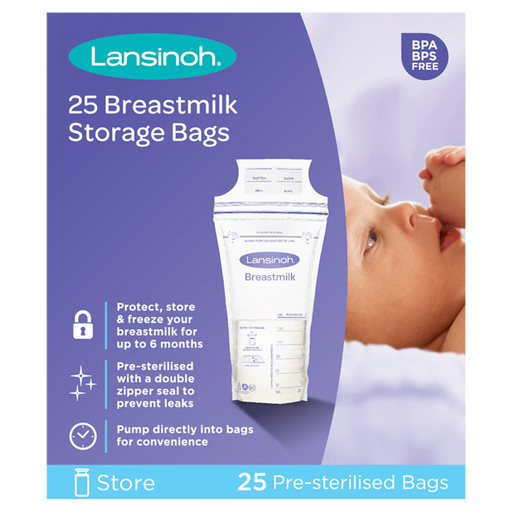
Why This Fits Their Persona: A compact pack can suit new parents who are starting to express and want to try a straightforward disposable format before buying in bulk.
The double zip-lock closure, writable tabs and stackable format address common problems with unidentified portions and untidy freezer storage.
Pre-sterilised, BPA-free, BPS-free and phthalate-free polyethylene; 180ml individual capacity.
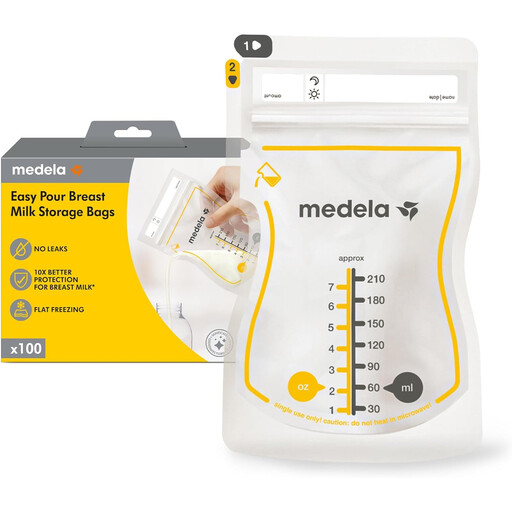
Why This Fits Their Persona: Suitable for parents who value a larger pack, a structured pouring system and flexible fridge-to-freezer organisation.
The double-layer, double-zipper construction and separate pour spout directly address leakage and messy transfers.
100-pack; BPA-free recyclable material; lies flat for freezing and stands upright in the fridge.
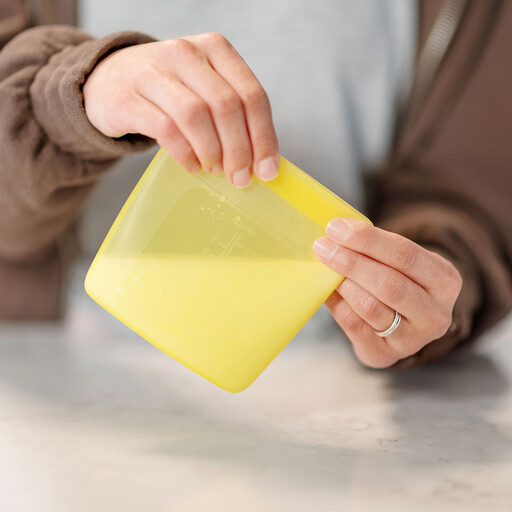
Why This Fits Their Persona: Designed for parents expressing frequently who prefer reusable storage and have time for cleaning between uses.
The one-piece silicone construction, double seal and visible condition checks help address recurring single-use costs and weak closures.
220ml capacity; self-standing and stackable; stated support for up to 500 uses per bag.
Before filling, wash your hands and check each bag for tears, loose seams or damaged seals. Label the date and volume, remove excess air where instructed and leave room for expansion. Lay breast milk freezer bags flat initially if the design allows, then stack them once frozen.
Thaw frozen milk in the fridge or according to the product instructions. Do not microwave breast milk storage pouches or place disposable bags directly in boiling water. Check the manufacturer’s guidance before using warm water or a bottle warmer, and discard any bag that shows signs of damage. Reusable bags should be cleaned and sterilised as directed after every use.
We have compiled a complete, real-time list of products that fully satisfy these strict selection criteria and UK safety regulations.
They can reduce ongoing purchases when used regularly, but the initial price is higher and they require washing and sterilising. Compare the stated number of uses with your routine and replace any reusable bag showing cracks, clouding or seal damage.
Many disposable breast milk freezer pouches are designed for flat freezing, which can improve stacking and thawing speed. Check that the bag is properly sealed, leave space for expansion and avoid placing heavy items on top before it is frozen.
Consider your usual expressed portion rather than selecting the largest capacity. An 180ml bag may help limit waste for smaller feeds, while a 220ml bag may be more suitable for larger portions. In either case, use the marked maximum and follow current storage guidance.