
24/7 Customer Support

Free returns

Same-day & Next-day Delivery

Quality Guaranteed

Unlock Your Welcome Offers: FREE Delivery | Up to 80% OFF | Free 30-day JoyPlus trial
Download the APP
Expressing milk can make feeding routines more flexible, but the wrong breast milk storage bags can create unnecessary mess, wasted milk and overcrowded freezer drawers. A low-cost pack may seem appealing until the seal opens, the bag is difficult to pour from or the capacity does not match your usual pumping volume.
For UK parents, the useful question is not simply how many bags are in a pack. It is whether the design suits your storage routine, handling habits and available fridge or freezer space.
A large pack of disposable breast milk bags may offer a lower cost per bag, but it can be inconvenient if you only express occasionally or prefer reusable storage. Conversely, a small pack may run out quickly for parents pumping several times a day.
Compare:
Marketing descriptions often use strong language around leak protection. In practice, leakage can still happen if the bag is overfilled, the zip is not fully closed, the side seam is damaged or frozen milk expands.
Look for practical design features such as:
Always inspect each bag before filling and place sealed bags in a tray or container when freezing, particularly during the first few uses.
Breast milk storage bags with a temperature sensor can provide a visual indication of temperature through a colour-changing strip. However, this is a convenience feature, not a substitute for a thermometer or safe milk-handling guidance.
Check the product instructions carefully, including the temperature ranges represented by each colour. Do not assume that a colour strip confirms the milk is safe to store or feed.
Choose BPA-free breast milk bags made from materials clearly identified by the manufacturer. Common materials include polyethylene, polypropylene and silicone. Pre-sterilised bags can be convenient for immediate use, while reusable breast milk storage bags need thorough washing, drying and sterilisation according to their instructions.
Disposable bags should not be reused. Reusable designs should be checked regularly for:
Use only products intended for expressed milk, and follow the packaging directions rather than relying on general assumptions about heating or cleaning.
Common capacities include approximately 150ml, 180ml, 220ml and 250ml. Select a size close to your usual portions to avoid unnecessary air or waste. When freezing expressed milk, leave the expansion space specified by the manufacturer and do not fill to the maximum line unless the instructions permit it.
For example, a 180ml bag may suit smaller portions, while 220ml or 250ml options can be more practical for larger pumping sessions. A clear measurement scale and write-on area also help carers identify the date and quantity quickly.
A flat bag can freeze into a thin shape, making it easier to organise a crowded freezer. A self-standing base is useful for filling and short-term fridge storage. Easy-pour breast milk bags may include a wider opening or separate pouring spout, helping reduce splashes when transferring milk into a bottle.
For transport, a breast milk cooler bag should be treated as an insulated carrier rather than a refrigerator. It needs a suitable frozen cooling element, and milk should be refrigerated promptly on arrival in line with current safe-handling guidance.
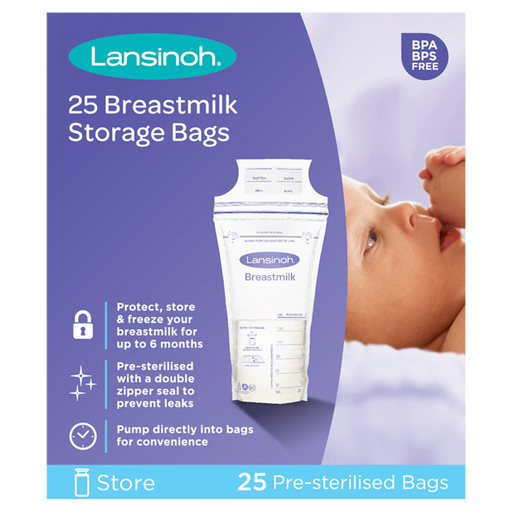
Why This Fits Their Persona: A 25-pack gives occasional pumpers and new parents a manageable way to start storing expressed milk without committing to a large supply.
The bags have a double zip-lock closure, writable labelling area and compact design for upright or flat storage.
180ml capacity; pre-sterilised, odourless polyethylene; designed for single use.
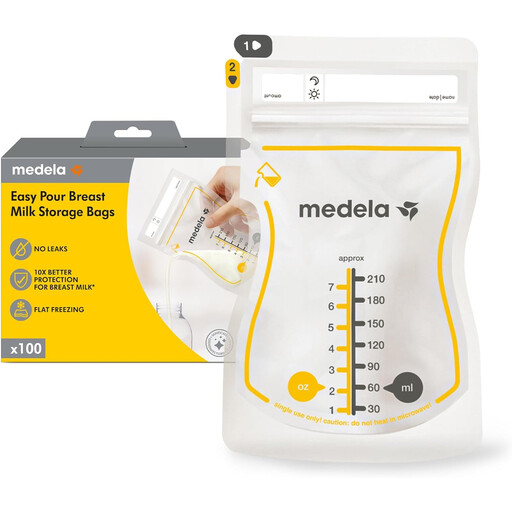
Why This Fits Their Persona: A larger pack suits parents who express regularly and want a consistent storage and pouring routine at home or work.
The wide opening, secondary spout and self-standing base address common problems with filling, transferring and fridge storage.
100 bags; double-layer and double-zipper construction; flat-freezing format; recyclable BPA-free material.
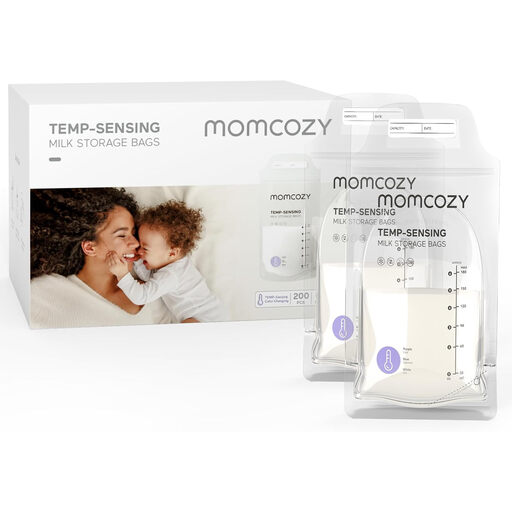
Why This Fits Their Persona: The 200-piece pack is suited to frequent expressing, organised milk banking and households that want a temperature-indicator feature.
Separate inlet and outlet handling, double zips, a write-on area and flat or upright positioning support a more organised routine.
180ml capacity; pre-sterilised BPA-free material; colour-changing strip marked for cold, 36–40°C and hot ranges.
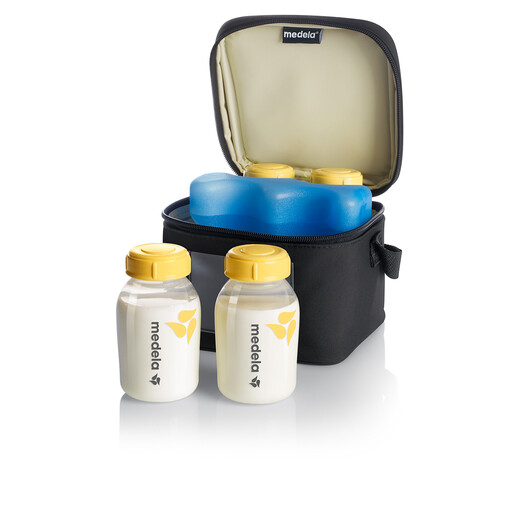
Why This Fits Their Persona: A ready-to-carry system is useful for commutes, nursery drop-offs, workdays and journeys where bottles need to remain chilled.
The set includes an insulated bag, shaped cooling element and four 150ml bottles, rather than requiring separate purchases.
Four BPA-free 150ml bottles; removable contoured ice pack; insulated transport bag.
For households trying to reduce single-use waste, a silicone option such as the Medela Reusable Breast Milk Storage Bags 5 Pack may be worth comparing. These 220ml bags are described as reusable, self-standing and freezer compatible, but they require cleaning and inspection after every use.
We have compiled a complete, real-time list of products that fully satisfy these strict selection criteria and UK safety regulations.
Many breast milk freezer bags are designed for freezer storage, but check the individual instructions first. Avoid overfilling, remove excess air where directed and place sealed bags in a tray to contain potential leaks.
They may reduce the number of disposable bags purchased over time, but the overall value depends on the purchase price, cleaning effort and usable lifespan. Replace any reusable bag showing damage or a weakened seal.
No. A temperature strip provides a visual indication based on its stated colour ranges. It should be treated as a convenience aid, while safe storage, thawing and feeding decisions should follow the product instructions and appropriate UK guidance.