
24/7 Customer Support

Free returns

Same-day & Next-day Delivery

Quality Guaranteed

Unlock Your Welcome Offers: FREE Delivery | Up to 80% OFF | Free 30-day JoyPlus trial
Download the APP
For breastfeeding and expressing parents, the right breast milk storage bags can make expressing, freezing and organising milk much simpler. The wrong choice, however, may lead to leaks, wasted milk, awkward freezer storage or unnecessary replacement costs.
Whether you are preparing for a newborn, returning to work or building a milk supply, focus on practical design details rather than packaging claims. Here are the most common buying pitfalls and the specifications worth checking before you order.
A large pack may appear economical, but a bag that holds more milk than you usually express can create avoidable waste. Overfilling also leaves too little space for expansion when the milk freezes.
For many households, 180ml breast milk storage bags provide a useful portion size. Smaller capacities may suit early expressing, while larger bags can be practical for established expressing routines. Check the marked maximum volume rather than relying only on an approximate ounce measurement.
Terms such as leakproof breast milk bags describe a design intention, not a reason to skip inspection. Weak seams, an incompletely closed zip or overfilled bags can still cause leaks.
Look for features such as:
Always check the seal before placing a bag in the freezer. A sealed bag stored inside a container or secondary pouch can also reduce the impact of an accidental leak.
Temperature-sensing breast milk bags use a colour-changing strip to give a visual indication of temperature. This may be convenient, but it should not replace careful warming and checking before feeding. Similarly, a pour spout can be useful for reducing spills, but it may not matter if you transfer milk using a bottle or jug.
Consider how you express, label, freeze and thaw milk at home before paying extra for additional features.
For disposable breast milk bags, check whether the product is described as BPA-free and whether it is pre-sterilised. Pre-sterilised breast milk bags are ready to fill when opened, provided your hands and the surrounding surface are clean. They should still be inspected for damage before use.
The product information should also state whether bags are intended for single use only. Disposable breast milk bags should not be washed and reused, as cleaning may damage the material or compromise hygiene.
Reusable breast milk storage bags require a different routine. Silicone models can reduce repeated single-use purchases, but they must be washed, dried and sterilised according to the manufacturer’s directions. Inspect the body and seal regularly for cracks, wear or distortion.
A double zip can help create a more secure closure, while a separate inlet and outlet may reduce contact during pouring. Wide openings are useful when filling directly from a breast pump or when cleaning a reusable bag.
Some designs include a controlled pour spout or a tear-off corner. These can make transfer easier, but follow the supplied directions carefully and avoid touching areas that come into contact with milk.
Breast milk freezing bags should leave room at the top for expansion. Pressing out excess air before sealing can help the bag freeze more compactly, but do not squeeze it so firmly that milk reaches the closure.
A flat-freezing design makes stacking easier and can help organise a crowded freezer. Self-standing bags may be more convenient in the fridge. Writable labels should allow you to record the date and volume, helping you use older milk first in line with your chosen feeding and storage guidance.
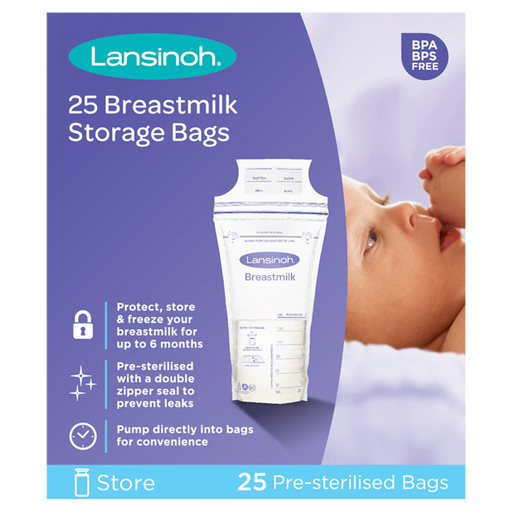
Why This Fits Their Persona: A 25-pack with an individual capacity of 180ml suits parents starting a modest supply and wanting clearly labelled portions without committing to a large bulk pack.
The pre-sterilised, odourless polyethylene bags have a double zip-lock closure and a writable area for recording dates and amounts.
180ml capacity; pre-sterilised, BPA-free, BPS-free and phthalate-free material; stackable format.
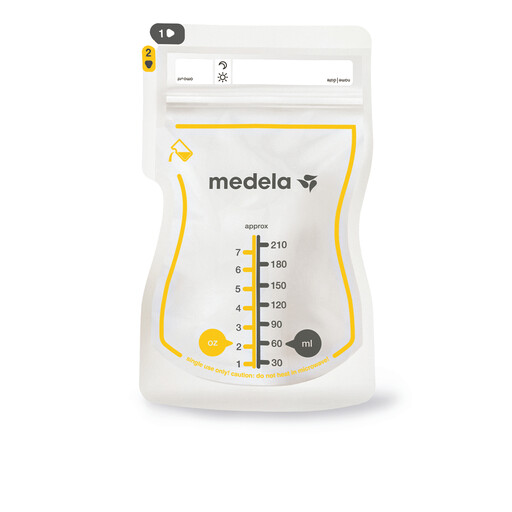
Why This Fits Their Persona: Parents who regularly express at home or work may value the wide opening, one-hand pour spout and flexible storage options.
The double-layer construction and double-zipper closure address common concerns about spills, while the flat-freezing design avoids bulky freezer storage.
50 bags; wide easy-pour opening; bags can lie flat for freezing or stand upright in the fridge; BPA-free material.
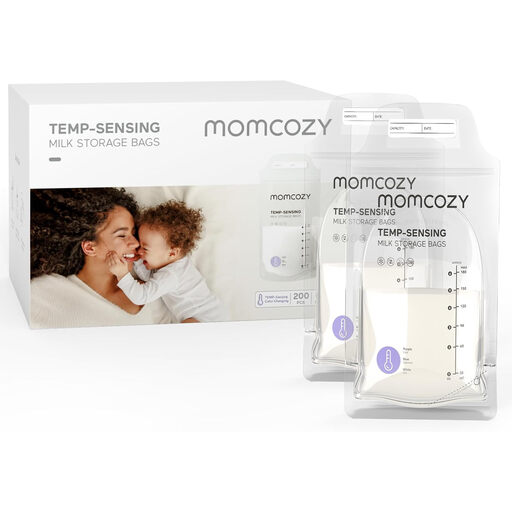
Why This Fits Their Persona: A 200-pack is suited to parents expressing frequently, preparing for regular childcare or organising a larger milk bank.
The separate inlet and outlet design, pre-sterilised construction and double zip help address transfer and leakage concerns. The temperature strip is a visual aid, not a substitute for safe warming checks.
Approx. 180ml capacity; pre-sterilised BPA-free material; temperature-indicating strip; flat or upright storage.
We have compiled a complete, real-time list of products that fully satisfy these strict selection criteria and UK safety regulations.
Most disposable breastmilk freezer bags are designed for one use only. Reusable silicone bags can be washed and sterilised between uses, but they need regular inspection and may have a stated usage limit. Choose reusable storage only if you are comfortable with the cleaning routine.
Use a portion that matches your baby’s usual feed and never exceed the marked capacity. An 180ml breast milk storage bag may suit standard portions, but smaller quantities can help reduce waste when your baby takes less at a time. Always leave room for expansion when freezing.
Follow the instructions supplied with the product. The listed disposable bags should not be microwaved or placed in boiling water. Thaw breast milk using a suitable method, transfer it to a feeding bottle and check the temperature before feeding.