
24/7 Customer Support

Free returns

Same-day & Next-day Delivery

Quality Guaranteed
Download the APP
Categories
As a new or expecting parent, ensuring your expressed breast milk is stored safely and conveniently is a top priority. With so many options on the market, from disposable bags to reusable bottles, choosing the right solution can feel overwhelming. This guide is designed to help you understand the key features of different breast milk storage options, allowing you to make a practical choice that fits your lifestyle and needs.
As the Joybuy Product Recommendation Officer, my role is to sift through the available products and present clear, objective information to help you find what works for you.
Before looking at specific products, consider these key factors. Making the right choice from the outset can save you time, money and valuable freezer space.
This is often the first decision parents face. Each has distinct advantages:
When storing milk for your baby, safety is non-negotiable. Always look for products explicitly labelled as BPA-free milk storage. Bisphenol-A (BPA) is a chemical that can be found in some plastics, and it's best to avoid it in products intended for infants. High-quality, food-grade plastic or platinum silicone are the standard materials for reliable storage solutions.
Think about your daily routine. Features that seem small can make a big difference:
Here are a few standout options that cater to different needs, from ultimate convenience to long-term sustainability.
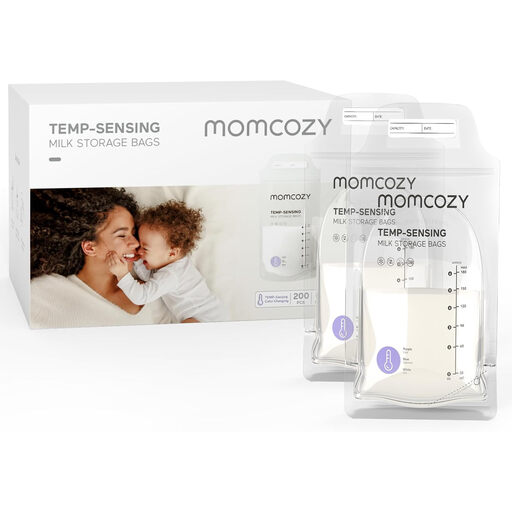
Why It Stands Out: These bags from Momcozy introduce a clever temperature-sensing feature. A visual indicator on the bag changes colour to show if the milk is too cold, too hot, or at an optimal temperature for feeding, taking the guesswork out of warming. The design also prioritises hygiene with separate ports for filling and pouring.
Pros:
Who is it for? Parents who value convenience and innovative safety features. They are ideal for building a large freezer stash and for those who want a clear, visual cue when warming milk.
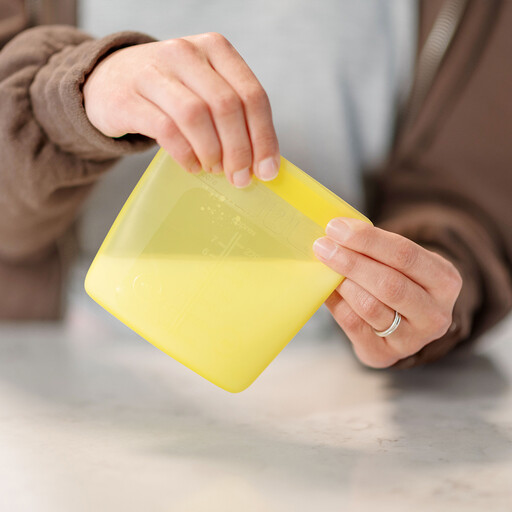
Why It Stands Out: For those seeking a more sustainable option, this reusable breast milk storage solution from Medela is an excellent choice. Made from durable, food-grade platinum silicone, each bag can be used up to 500 times. This significantly reduces single-use plastic waste and can be more cost-effective in the long run.
Pros:
Who is it for? Environmentally conscious and budget-savvy parents. These are perfect for daily pumpers who want to invest in a long-term system and minimise their household waste.
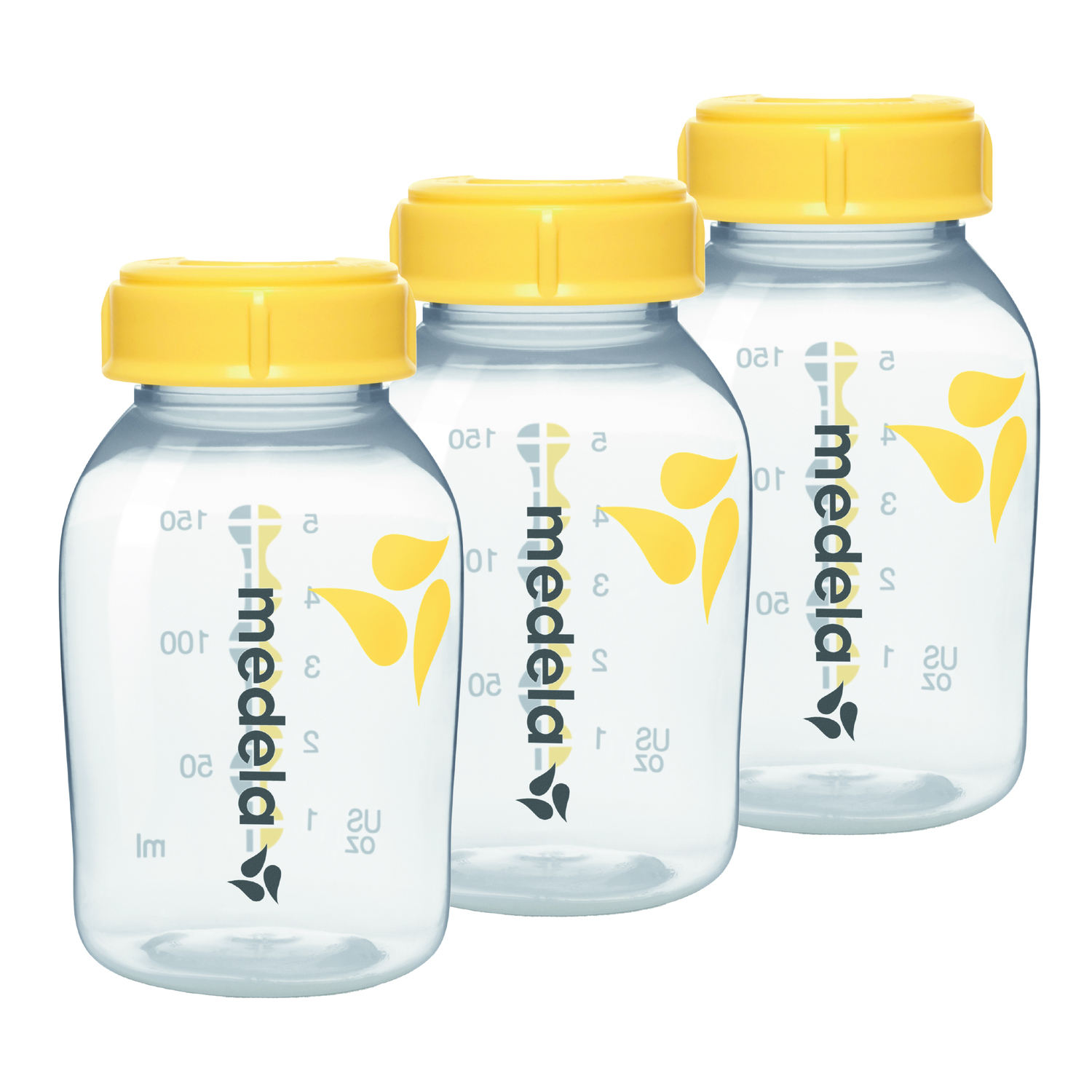
Why It Stands Out: The primary advantage of these Medela breast milk storage bottles is their seamless integration with Medela breast pumps. You can pump directly into the bottle, screw on the lid and place it in the fridge or freezer. This pump-store-feed system minimises milk transfer, reducing the risk of spills and contamination.
Pros:
Who is it for? Parents who use a Medela breast pump and want the ultimate convenience of an all-in-one system. They are also great for those who prefer the sturdiness and longevity of bottles over bags.
If the products above aren't quite what you're looking for, or if you'd like to compare a wider range of solutions, we have more to see.
Explore our full collection of breastmilk storage solutions to find the perfect fit for your family.
Here are answers to a few common questions about how to store breast milk.
According to NHS guidelines, freshly expressed breast milk can be stored for:
Always label your milk with the date it was expressed so you can use the oldest milk first.
Yes, you can combine milk from different sessions on the same day. However, it's important to cool the freshly expressed milk in the refrigerator before adding it to already chilled or frozen milk. Adding warm milk to cold milk can raise the overall temperature and encourage bacterial growth.
The safest method is to thaw it overnight in the refrigerator. For quicker thawing, you can hold the bag or bottle under warm running water or place it in a container of warm water. Never use a microwave to thaw or heat breast milk, as it can create dangerous "hot spots" that could burn your baby's mouth and may also damage the milk's nutritional components.