
24/7 Customer Support

Free returns

Same-day & Next-day Delivery

Quality Guaranteed

Unlock Your Welcome Offers: FREE Delivery | Up to 80% OFF | Free 30-day JoyPlus trial
Download the APP
Preparing for breastfeeding often involves more than choosing a nursing bra or breast pump. You may also need ways to collect leaking milk, store expressed milk, manage sore nipples and transport bottles safely between home, work and childcare.
The challenge is knowing which breastfeeding essentials genuinely suit your routine rather than paying for features you may not use. The following guide explains the main buying pitfalls, the specifications worth checking and suitable options for different stages of breastfeeding.
A long list of suction settings does not automatically make a breast pump suitable. Comfort depends on the flange size, breast shield shape, pumping modes, fit and cleaning routine. A pump that is too strong or poorly fitted may be uncomfortable, while a pump with many settings can still be inconvenient if it is difficult to assemble.
For wearable breast pumps, also check the unit weight, cup capacity, battery charging method and whether the pump fits securely inside your nursing bra.
Breast milk storage bags may look similar, but useful differences include:
A breast milk cooler bag is intended for short-term transport, not long-term storage. Expressed milk should be handled according to current NHS or healthcare-professional guidance and refrigerated or used promptly when appropriate.
Nipple cream, nipple shields and a breast massager may support particular situations, but they do not replace help with positioning, attachment or persistent pain. If breastfeeding remains painful, milk transfer appears poor or you are concerned about your baby’s feeding, speak to a midwife, health visitor, GP or lactation professional.
For breast pumps, check the included flange size and whether inserts are available. A pump with adjustable suction levels and separate stimulation and expression modes allows you to select a more comfortable setting.
Look at the number of parts that contact milk and how they are cleaned. Dishwasher-safe components can reduce daily effort, but always follow the manufacturer’s instructions. Electrical pump motors should not be submerged, and charging cables should be kept away from water.
For milk collectors, storage bottles and pump parts, look for clearly stated food-grade or BPA-free materials. Silicone and polypropylene are common materials in breastfeeding accessories, but product instructions still matter.
Inspect valves, seals, flanges and storage bags before each use. Replace any item that is cracked, misshapen or no longer seals properly. Single-use breast milk storage bags should not be reused.
A nursing bra should provide gentle support without feeling restrictive. Crossover designs offer quick feeding access, while stretch fabric can accommodate changing breast size. For maternity breast pads, consider absorbency, adhesive backing, softness and whether individually wrapped pads are convenient for your handbag.
With nipple cream, check the ingredient list and application instructions. Products such as lanolin-based creams are intended for external use; stop using them if irritation develops.
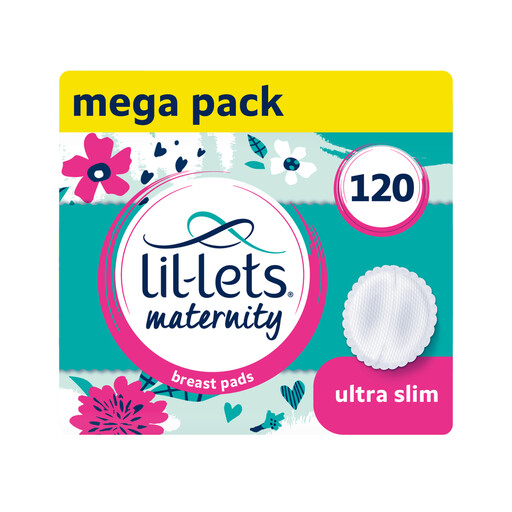
Why This Fits Their Persona: A straightforward everyday option for new mums who want leakage protection before investing in larger breastfeeding equipment.
The individually wrapped pads can be replaced when saturated, helping avoid relying on one pad for too long.
The pack contains 120 pads, with an ultra-thin structure, adhesive backing and a soft surface.
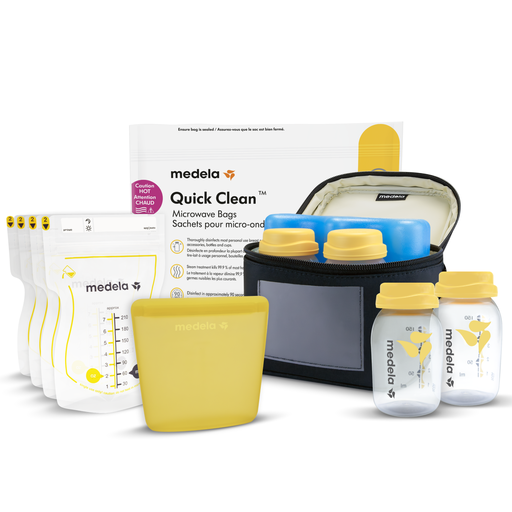
Why This Fits Their Persona: Suitable for households wanting one coordinated system for expressing, storing, cleaning and transporting milk.
The set includes bottles, disposable storage bags, a cooler bag and a microwave cleaning bag, reducing the need to match separate systems.
It includes four 150ml BPA-free bottles and a cooler bag stated to keep milk cool for up to 8 hours.
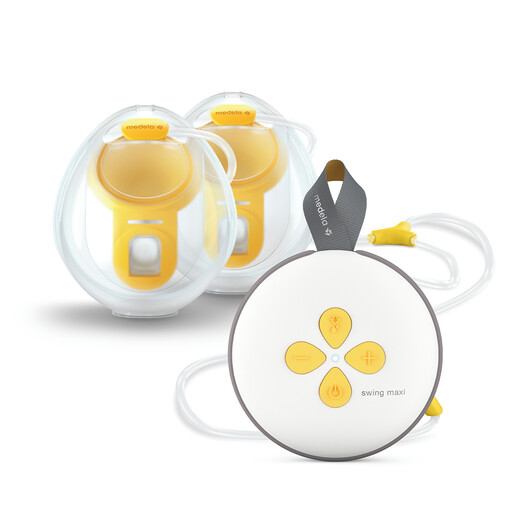
Why This Fits Their Persona: Designed for mothers expressing regularly who need a double electric pump for home, commuting or work routines.
The transparent cups help with nipple alignment, while the three-part cup design limits the number of parts requiring cleaning.
Each collection cup weighs 76g and the pump includes four button controls with hands-free cups designed to sit inside a bra.
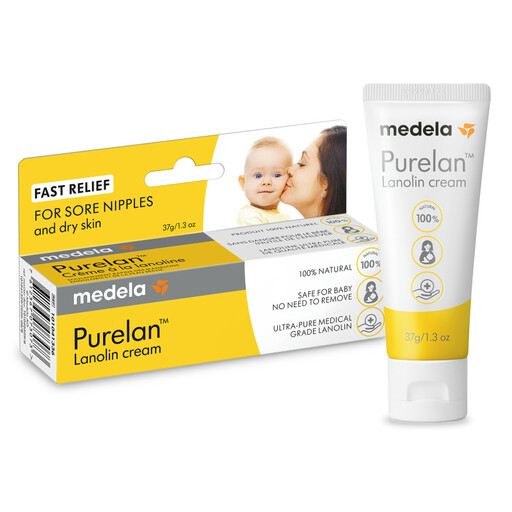
Why This Fits Their Persona: A compact choice for mothers prioritising a simple nipple-care product at home or in a changing bag.
The ingredient list is short and clearly stated as 100% ultra-pure medical-grade lanolin, rather than a complex multi-ingredient blend.
The product instructions state that it does not need to be removed before breastfeeding; discontinue use if irritation occurs.
For targeted support, a rechargeable breast massager such as the Momcozy model may suit mothers who prefer warmth and vibration, while a breast milk collector can capture let-down from the opposite breast during feeds. Nipple shields should be selected carefully for size and used with guidance if latch problems continue.
We have compiled a complete, real-time list of products that fully satisfy these strict selection criteria and UK safety regulations.
Start with items matching your immediate routine: maternity breast pads, a comfortable nursing bra and nipple care if needed. Add breast pumps, breast milk storage bags or a breast milk cooler bag if you plan to express, return to work or travel.
There is no single lifespan for every product. Replace storage bags after one use, and replace pump valves, membranes, seals and shields when they become damaged, loose or difficult to clean. Follow the manufacturer’s care instructions for reusable accessories.
Running costs include electricity for charging and replacement parts such as valves, breast shields and seals. Before buying, check whether spare components are available and whether the pump uses standard USB charging. A lower purchase price may offer less value if replacement parts are difficult to source.
No. Choose according to your feeding and expressing plans. A mother who feeds directly may mainly need nursing clothing, breast pads and nipple care, while a mother expressing frequently may prioritise a double pump, bottles, storage bags and a cooler system.