
24/7 Customer Support

Free returns

Same-day & Next-day Delivery

Quality Guaranteed

Unlock Your Welcome Offers: FREE Delivery | Up to 80% OFF | Free 30-day JoyPlus trial
Download the APP
Dullness, uneven tone and visible dark spots are common reasons UK shoppers look for brightening face masks. However, a promising ingredient list does not always mean a suitable purchase. The right choice depends on the mask format, active ingredients, contact time and how well the product fits your existing skincare routine.
A sheet mask can leave skin looking fresher immediately because its essence hydrates the surface. That temporary effect is different from gradually improving the appearance of uneven tone with consistent skincare. Treat “instant glow” language as a description of a short-term cosmetic effect, not a guaranteed long-term result.
A large number on the packaging may attract attention, but concentration alone does not determine suitability. A niacinamide face mask, for example, may be useful for dull-looking skin and excess oil, yet a high percentage could feel uncomfortable for some users. Always consider the full ingredient list, your skin sensitivity and the recommended frequency.
Clay, acids, fruit enzymes and physical particles can all feature in an exfoliating face mask or pore cleansing face mask. Using several of these products close together may leave skin feeling tight or irritated. A wash-off mask should complement—not replace—gentle cleansing and moisturising.
A hydrating sheet mask is generally more convenient for regular use, while a wash-off product may be more practical for combination or oily skin.
For products sold in the UK, look for a clear ingredient list, usage directions, net contents, batch or product identification details, warnings and the responsible person information where applicable. These details help you make a more informed purchase and identify ingredients you may wish to avoid.
Patch-test a new product on a small area first. Do not apply any mask to broken, sunburnt or actively irritated skin. Stop use if persistent redness, itching, swelling or stinging occurs. Product packaging remains the definitive source for the latest ingredients, storage instructions and shelf-life information.
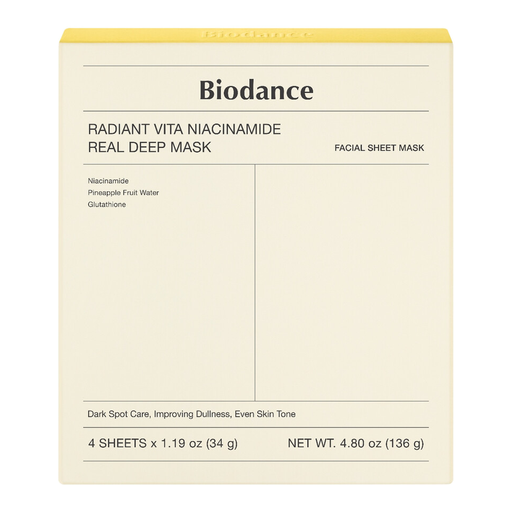
Why This Fits Their Persona: The four-mask pack offers a straightforward weekly treatment for shoppers starting a brightening routine without committing to a large jar or daily format.
The usage guidance identifies it as a weekly treatment, helping prevent the overuse often associated with concentrated brightening masks.
Hydrogel format; contains niacinamide, glycerin and multiple forms of hyaluronic acid for a moisturised skin feel.
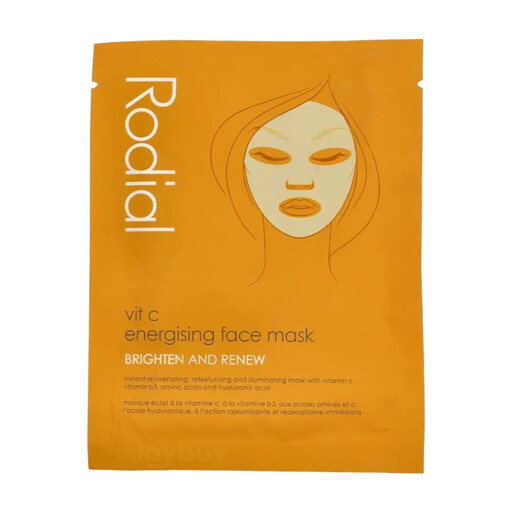
Why This Fits Their Persona: The bio-cellulose format and ingredient combination suit shoppers who prioritise a close-fitting, single-use treatment for a special occasion or regular self-care routine.
Its listed wear time is 10–15 minutes, with an optional longer treatment stated on the product information, so shoppers have clear guidance rather than relying on “leave it on longer” assumptions.
Bio-cellulose sheet; includes a vitamin C derivative, niacinamide, panthenol and sodium hyaluronate.
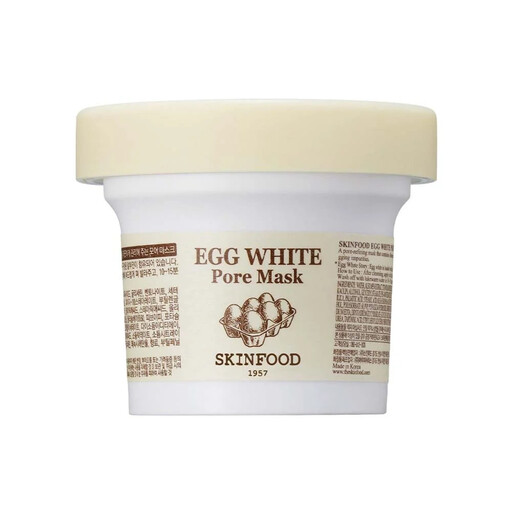
Why This Fits Their Persona: A 120g wash-off format is practical for shoppers who want repeated pore-focused care, particularly across an oilier T-zone.
The instructions specify partial drying and rinsing, reducing the risk of leaving a clay mask on until it becomes uncomfortably tight.
Contains kaolin and bentonite; panthenol and olive fruit oil are also listed in the formula.
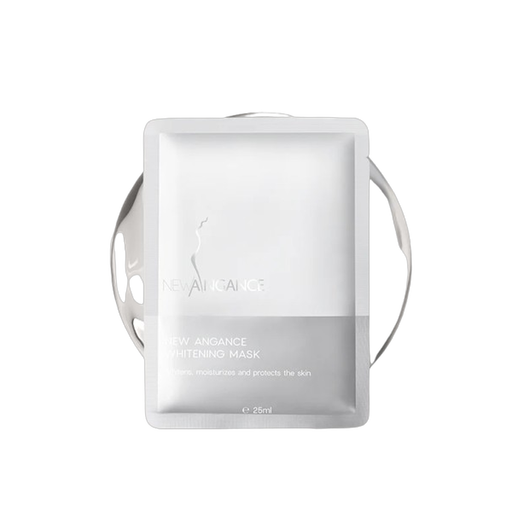
Why This Fits Their Persona: The ten-sheet format works for users who prefer a planned routine and want a lightweight mask for dull or uneven-looking skin.
The product information gives a 20–30-minute application window and specifically advises stopping use if irritation or rash appears.
Lyocell sheet; contains arbutin, liquorice-related ingredients, dipotassium glycyrrhizinate and sodium hyaluronate.
We have compiled a complete, real-time list of products that fully satisfy these strict selection criteria and UK safety regulations.
Apply a sheet mask after cleansing and before heavier creams. For wash-off products, rinse thoroughly with lukewarm water and moisturise afterwards. If using a dark spot face mask or face mask for uneven skin tone, daytime sunscreen remains important because ultraviolet exposure can make uneven pigmentation more noticeable.
Avoid combining an exfoliating mask with several strong exfoliating products on the same day. Sensitive users may begin once weekly, while people with oily or combination skin can follow the product’s stated frequency if their skin remains comfortable.
Follow the instructions for the specific formula. Hydrating sheet masks may be used more regularly, while clay or exfoliating masks are commonly limited to once or twice weekly. Reduce frequency if your skin feels tight, sore or irritated.
They can improve the look of dullness and uneven tone temporarily or gradually, depending on the formula and routine. They do not replace professional advice for persistent pigmentation or changing marks. Consistent sunscreen use can help limit further visible darkening.
Some Korean brightening face masks use hydrating essences, low-irritation bases or soothing ingredients, but origin alone does not determine suitability. Check the full ingredient list, avoid applying to compromised skin and patch-test before wider use.