
24/7 全天候客户支持

免费退货

当日/次日达

品质保障

开启新人专享福利: 全场免邮 | 低至 2 折 | 免费试用 30 天 JoyPlus 会员
下载 Joybuy
A brightening face moisturiser can make a skincare routine simpler by combining hydration with ingredients aimed at dullness, visible dark spots and uneven-looking tone. However, the right choice depends on more than a product name or a glowing before-and-after image.
Many UK shoppers waste money through three common traps:
For a dark spot moisturiser or anti-pigmentation cream, check the ingredient list and the intended use. Ingredients frequently found in brightening formulas include:
A longer ingredient list does not automatically mean a more suitable product. If your skin is sensitive, prioritise a straightforward formula and introduce active ingredients gradually.
Texture affects whether you will use a product consistently. A rich hydrating face cream may suit dry or mature skin, especially during colder UK weather, while a gel cream can feel more comfortable on oily or combination skin.
Remember that “non-comedogenic”, “fragrance-free” and “suitable for sensitive skin” describe formulation or testing claims rather than a guarantee that irritation will never occur.
An SPF moisturiser can be convenient for everyday routines, but protection depends on applying enough product and following the label instructions. Check whether the product states its SPF and UVA protection clearly. Reapply when required, particularly during outdoor activities.
Sun exposure can contribute to the appearance of pigmentation, so a brightening routine without daytime UV protection may be difficult to maintain. For extended time outdoors, use a dedicated facial sunscreen alongside your moisturiser.
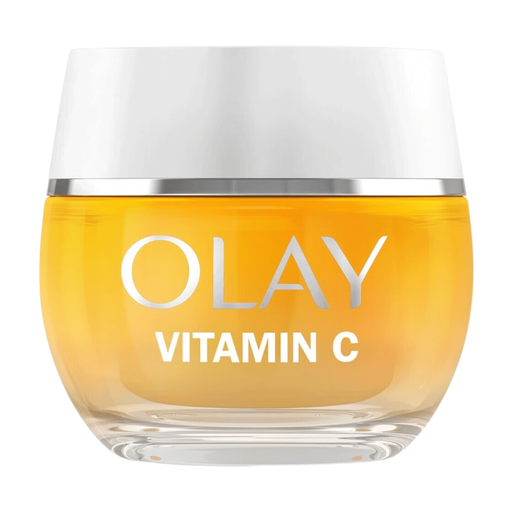
Why This Fits Their Persona: A practical morning option for shoppers wanting hydration, brightening ingredients and SPF 30 in one 50ml day cream.
Its SPF rating is stated clearly, helping avoid choosing a product that only creates a temporary glow without daytime UV protection.
Contains vitamin C, niacinamide, glycerin and SPF 30; the product description specifies a lightweight, non-greasy finish.
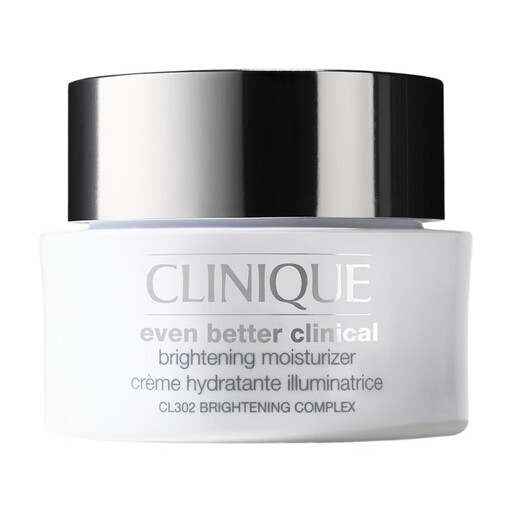
Why This Fits Their Persona: A fragrance-free, oil-free cream for shoppers seeking a polished formula that combines moisturising care with targeted brightening ingredients.
The packaging information identifies fragrance-free, non-acnegenic and oil-free features, making the selection criteria clearer than relying on “glow” language alone.
Includes ascorbyl glucoside, acetyl glucosamine, sodium hyaluronate and salicylic acid; it is listed as allergy-tested and suitable for all skin types.
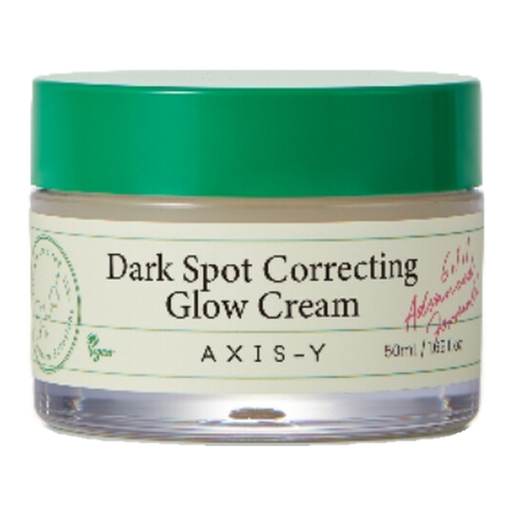
Why This Fits Their Persona: The gel-to-water texture suits combination or oily skin and layers easily after serum in a busy morning or evening routine.
The product details specify its texture and fragrance-free formulation, helping shoppers avoid a heavy cream when they prefer a lighter finish.
Contains 2% alpha-arbutin, 5% niacinamide, ceramide NP and several forms of hyaluronic acid; it is designed for morning and evening use.
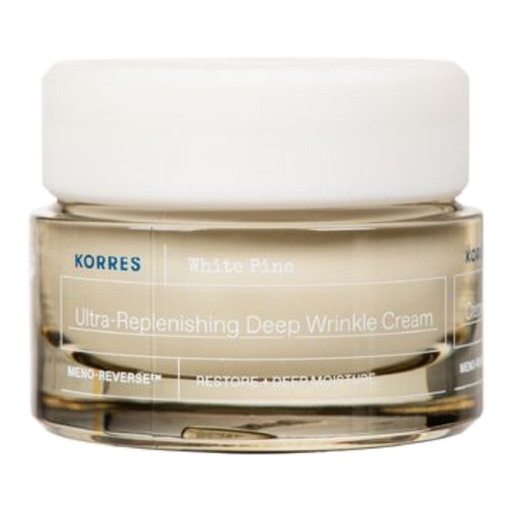
Why This Fits Their Persona: A rich anti-ageing moisturiser for post-menopausal skin that feels persistently dry and needs a more substantial cream texture.
Its positioning is clearly focused on replenishing moisture rather than promising an instant brightening effect from tint or shimmer.
Includes glycerin, shea butter, squalane, oils and sodium hyaluronate; the product is described as vegan-friendly and silicone-free.
We have compiled a complete, real-time list of products that fully satisfy these strict selection criteria and UK safety regulations.
Apply moisturiser after cleansing and any water-based serum. In the morning, finish with sunscreen if your moisturiser does not provide suitable protection. At night, an overnight face cream can be applied after treatment products, but avoid combining several exfoliating or brightening actives at once if your skin is prone to discomfort.
Patch test a new formula on a small area first, particularly when it contains fragrance, acids, retinoid-related ingredients or multiple active ingredients. Stop using it if irritation develops and follow the product warnings.
It can be, but suitability depends on the individual formula and your skin. A sensitive skin moisturiser with no added fragrance may be a sensible starting point. Introduce one new product at a time and patch test before applying it across the face.
Many are designed for daily use, but follow the directions on the packaging. If the formula contains acids or several active ingredients, begin less frequently if needed. Consistent daytime sun protection is also important when your concern is the appearance of dark spots.
The usable period varies by formula, packaging and storage. Check the jar symbol, expiry information and packaging instructions. Keep the container closed, store it away from heat and direct sunlight, and replace it if the colour, smell or texture changes noticeably.