
24/7 Customer Support

Free returns

Same-day & Next-day Delivery

Quality Guaranteed

Unlock Your Welcome Offers: FREE Delivery | Up to 80% OFF | Free 30-day JoyPlus trial
Download the APP
A brightening face moisturiser can simplify a skincare routine by combining hydration with ingredients associated with a more even-looking, radiant complexion. However, choosing one based only on words such as “glow”, “illuminating” or “dark spot correcting” can lead to wasted money.
The right product depends on your skin type, preferred texture, active ingredients and whether you need daytime sun protection. This guide explains what to check before buying, highlights common marketing pitfalls and matches several options to different UK skincare routines.
Some formulas create a temporary glow through emollients, light-reflecting particles or a dewy finish. That can make skin look fresher immediately, but it does not necessarily mean the product is suitable for persistent uneven tone or visible dark spots.
Check the ingredient list for clearly identified brightening and hydrating ingredients, such as niacinamide, vitamin C derivatives, alpha-arbutin, tranexamic acid, glycerin, ceramides or hyaluronic acid. These ingredients serve different purposes, so a balanced formula is often more useful than a product focused only on appearance after application.
A product may promote a percentage of one ingredient while providing little information about the rest of the formula. A high concentration can also be unsuitable for easily irritated skin, particularly when combined with exfoliating acids, retinoids or fragranced essential oils.
For a dark spot cream or pigmentation cream, introduce one targeted product at a time. If you already use an acid, retinol or vitamin C serum, avoid automatically adding several additional actives in the same routine.
An SPF moisturiser can be convenient for everyday use, but protection depends on applying enough product and reapplying when exposed to strong sunlight, swimming, sweating or towel drying. A moisturiser with SPF should not encourage under-application.
For regular outdoor activity, consider a dedicated broad-spectrum sunscreen as the final morning step. Sun protection is also an important part of managing the appearance of uneven tone, since UV exposure can contribute to the visible darkening of marks.
Ingredients appear in descending order by concentration for much of the list, although this does not reveal the exact percentage of every ingredient. Treat percentage claims as product information rather than a guarantee of a particular cosmetic result.
A rich cream may feel comfortable on dry or mature skin, especially during colder UK weather, but could feel heavy on an oily complexion. Gel-creams and lightweight emulsions are generally more suitable for combination or oily skin if you dislike a noticeable film.
Consider these practical matches:
Fragrance is not automatically unsuitable, but scented formulas may be less comfortable for people who know their skin reacts to fragrance. Clinique Even Better Clinical is listed as 100% fragrance free, while several Korres, L’Oréal Paris, OLAY and Korean brightening cream options contain fragrance or aromatic ingredients.
Always read the current packaging, particularly for SPF rating, warnings, shelf life and the complete ingredient list. Patch testing on a small area is sensible when trying a new product, and stop use if irritation develops.
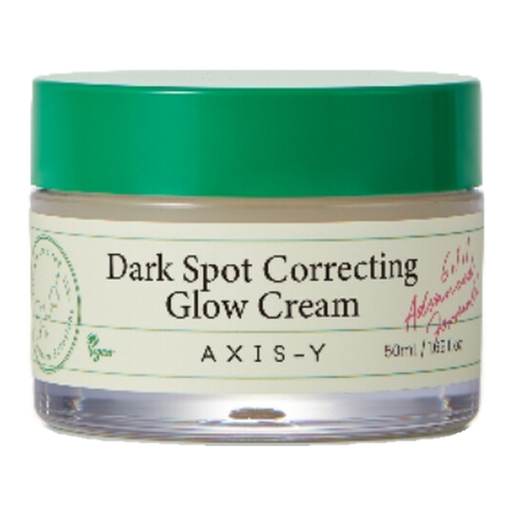
Why This Fits Their Persona: A practical starting point for shoppers wanting a lightweight daily moisturiser for dull or uneven-looking skin without adding a separate heavy cream.
The ingredient list identifies 2% alpha-arbutin and 5% niacinamide, rather than relying only on a vague glow description. It is also listed as fragrance-free.
Gel-to-water texture; includes ceramide NP, centella asiatica and several forms of hyaluronic acid.
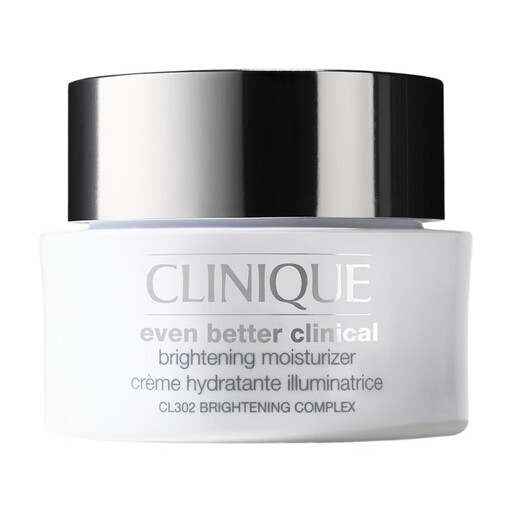
Why This Fits Their Persona: Suitable for shoppers who prefer a structured, fragrance-free cream that combines hydration with a targeted brightening ingredient profile.
The listing specifies fragrance-free, oil-free and non-acnegenic features, helping shoppers screen for preferences rather than judging by packaging claims alone.
Contains ascorbyl glucoside, sodium hyaluronate and salicylic acid; listed as allergy tested.
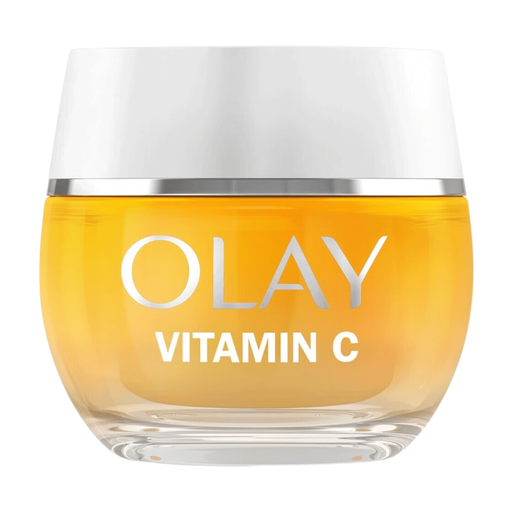
Why This Fits Their Persona: A convenient brightening day cream for commuters and shoppers who want moisturiser and SPF in one morning step.
It clearly states SPF 30 and gives reapplication guidance, making the sun-protection limitation more transparent than a generic “day cream” label.
Combines vitamin C, niacinamide and glycerin; lightweight, non-greasy texture is specified.
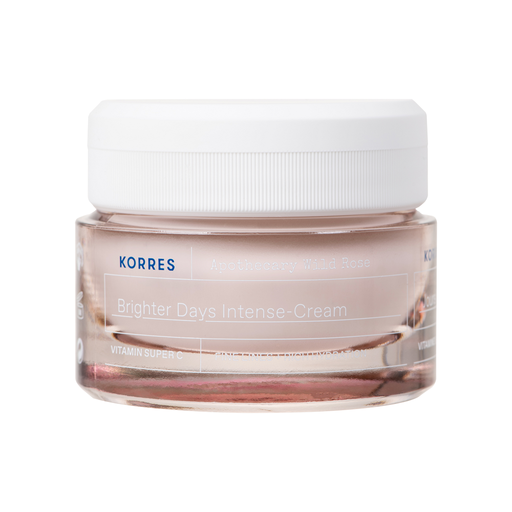
Why This Fits Their Persona: Designed for people who prefer a richer morning cream to comfort ultra-dry skin, particularly during colder or drier indoor conditions.
Its rich texture is openly positioned for ultra-dry skin, so shoppers can avoid expecting a light gel finish from a nourishing cream.
Includes stabilised vitamin C derivatives, shea butter, squalane and hyaluronic acid; vegan formula is listed.
We have compiled a complete, real-time list of products that fully satisfy these strict selection criteria and UK safety regulations.
Apply a suitable amount to cleansed skin and follow the product’s directions. In the morning, use sunscreen as the final step if your moisturiser does not provide SPF. Avoid applying a new uneven skin tone treatment to broken or irritated skin, and introduce exfoliating ingredients gradually.
If you prefer a lighter texture, the Korres Apothecary Wild Rose Day-Brightening Gel-Cream is another option to consider. For a fragrance-free formula, check Clinique or Axis-Y. Always use the current packaging as the final reference because formulations and instructions can change.
It can be, but suitability depends on the complete formula and your individual tolerance. Fragrance-free options may be easier to assess. Patch test first, introduce one new product at a time and stop use if redness, itching, stinging or a rash appears.
Many are designed for daily morning or evening use, but follow the specific instructions. If the formula contains salicylic acid, PHA, retinoid derivatives or several active ingredients, avoid immediately combining it with multiple exfoliating products.
The usable period varies by product and packaging. Check the open-jar symbol, batch information and expiry guidance on the container. Store the cream as directed, usually away from heat and direct sunlight, and do not continue using it if its smell, colour or texture changes noticeably.