
24/7 Customer Support

Free returns

Same-day & Next-day Delivery

Quality Guaranteed

Unlock Your Welcome Offers: FREE Delivery | Up to 80% OFF | Free 30-day JoyPlus trial
Download the APP
A brightening face moisturiser can simplify your routine by combining hydration with ingredients aimed at dullness and uneven-looking tone. However, attractive packaging and bold claims do not always indicate a suitable everyday product. UK shoppers should compare the formula, protection level, texture and usage instructions before buying.
Vitamin C, niacinamide, alpha-arbutin, tranexamic acid and exfoliating acids have different roles and tolerability profiles. A vitamin C moisturiser may focus on antioxidant support and radiance, while a niacinamide moisturiser may be more appealing if you also want hydration and a balanced-looking complexion.
A long ingredient list is not automatically a benefit. Check where key ingredients appear in the INCI list, whether the product contains fragrance or essential oils and whether the formula suits your skin. Those with easily reactive skin may prefer a fragrance-free option and should patch test before applying a new cream across the face.
An SPF face moisturiser can be convenient, but protection depends on applying enough product and reapplying when exposed to prolonged sun, swimming, sweating or towel drying. A small amount used as a light primer may not deliver the labelled SPF level.
For everyday UK commuting, an SPF 20 or SPF 30 product may suit some routines, but outdoor activities require careful application and additional sun protection measures. Check the pack for the SPF rating and UVA information rather than relying solely on the word “brightening”.
A rich cream may feel comfortable on dry or mature skin but become heavy on an oily or combination complexion. Conversely, a lightweight gel moisturiser may absorb quickly yet feel insufficient during cold, windy weather or in centrally heated rooms.
Look for practical texture descriptions: gel-cream, lotion, balm or rich cream. Also consider whether you will wear makeup over it, use it in the morning or apply it as the final evening step.
For a moisturiser for uneven skin tone, compare the active blend rather than focusing on a single fashionable ingredient.
Do not combine several strong brightening or exfoliating products immediately. Introduce one new formula at a time and follow the product directions.
If you want one morning product, check whether it is clearly labelled as an SPF face moisturiser and follow its application guidance. Rodial Vit C Moisturiser SPF30 50ml and OLAY Vitamin C Face Moisturiser Day Cream SPF 30 combine moisturising ingredients with SPF 30. Korres White Pine Luminous Awakening Moisturiser SPF 20 offers a lower SPF level with a subtle tint.
An SPF moisturiser does not replace sensible sun protection. Reapply as directed during extended exposure and consider clothing, shade and a separate sunscreen where appropriate.
A 40ml luxury face cream may be appealing for a premium routine, but a 60–100ml gel cream could be more practical for frequent use. Consider:
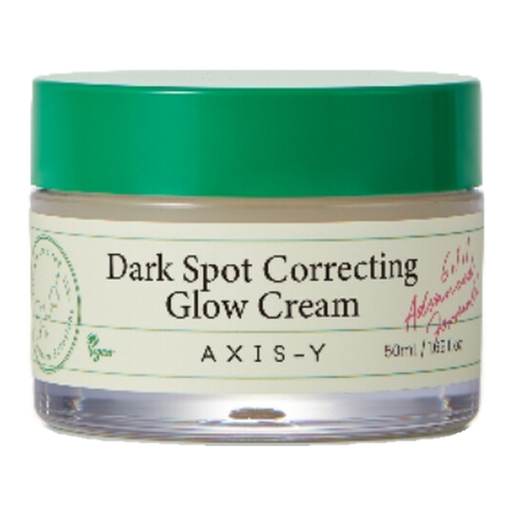
Why This Fits Their Persona: A straightforward daily Korean skincare moisturiser for shoppers starting a tone-focused routine without adding a separate heavy cream.
Its listed formula identifies 2% alpha-arbutin, 5% niacinamide and Ceramide NP, making the ingredient focus clearer than vague “glow” wording.
Gel-to-water texture; fragrance-free listing; includes barrier-supporting Ceramide NP and several humectants.
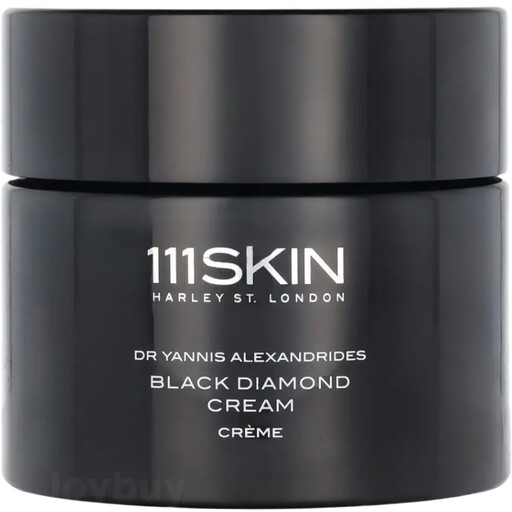
Why This Fits Their Persona: Designed for shoppers who prefer a richer, premium-feeling moisturiser for mature-looking or very dry skin, particularly in colder UK conditions.
The ingredient list shows its richer base, including glycerin, plant oils, sodium hyaluronate and niacinamide, so the substantial texture is not unexpected.
50ml size; rich cream format; includes liquorice root, Centella Asiatica and hyaluronic acid.
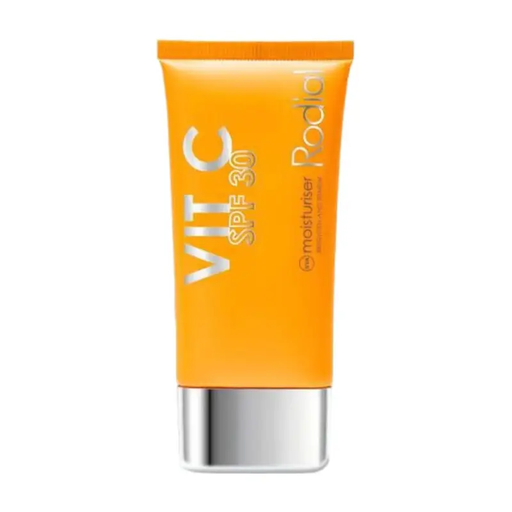
Why This Fits Their Persona: A practical option for busy mornings when you want hydration, a vitamin C derivative and SPF 30 in one facial moisturiser.
The product clearly states SPF 30 and lists Ascorbyl Glucoside, while its usage guidance highlights liberal application before sun exposure.
50ml format; SPF 30; contains hyaluronic acid, glycerin, squalane and vitamin E.
We have compiled a complete, real-time list of products that fully satisfy these strict selection criteria and UK safety regulations.
Many are designed for daily morning or evening use, but suitability depends on the individual formula. Follow the product directions, introduce new active ingredients gradually and patch test if your skin is sensitive. During the day, use adequate SPF protection.
You can, but layering several active products may increase the chance of dryness or irritation. Check both ingredient lists, avoid adding multiple new products at once and use sunscreen in the morning. A moisturiser containing a vitamin C derivative may already provide the brightening step you need.
A 40–70ml jar or tube may last several weeks to a few months, depending on how much you apply and whether it is used once or twice daily. Keep the container closed, store it away from direct sunlight and check the packaging for the period-after-opening symbol or other shelf-life guidance.