
24/7 Customer Support

Free returns

Same-day & Next-day Delivery

Quality Guaranteed

Unlock Your Welcome Offers: FREE Delivery | Up to 80% OFF | Free 30-day JoyPlus trial
Download the APP
Dullness, uneven tone and dark spots can make choosing a daily moisturiser surprisingly complicated. Many products use phrases such as “glow”, “radiance” or “anti-pigmentation” without making it clear whether the formula prioritises hydration, tone-evening ingredients, sun protection or simply a temporary luminous finish.
The right brightening face moisturiser should suit your skin type and routine rather than rely on an impressive-sounding claim. It should also be comfortable enough for regular use, since visible changes in the appearance of uneven tone generally require consistency.
A moisturiser containing mica, mineral pigments or a natural tint may make the complexion look more even immediately. That can be useful, but it is a cosmetic finish rather than evidence that the formula is changing the appearance of dark spots.
Check the ingredient list for purposeful tone-supporting ingredients such as niacinamide, vitamin C derivatives, alpha-arbutin or tranexamic acid. These ingredients have different formulation roles and should not be treated as interchangeable. A vitamin C moisturiser may focus on radiance, while a niacinamide moisturiser may also support hydration and the look of uneven tone.
Sun exposure can contribute to the visible persistence of pigmentation. A day cream with SPF can simplify your routine, but the protection depends on applying enough product and reapplying when necessary.
Look for clearly stated UVA and UVB protection, not just the word “brightening”. SPF 30 or SPF 50+ may be suitable for different routines, but the label should be easy to understand. Products such as an SPF face moisturiser are not a reason to reduce the recommended application amount or skip reapplication after swimming, sweating or towel drying.
A rich dark spot cream may feel comforting on dry or mature skin but can feel heavy on an oily complexion. Conversely, a lightweight gel may not provide enough comfort during cold, dry UK weather.
Fragrance, essential oils, alcohol and exfoliating ingredients can also affect how comfortable a formula feels. People with sensitive skin should introduce one new product at a time and carry out a patch test according to the product guidance.
Ingredients are listed in descending order by weight, although this does not reveal the complete concentration of every active. A formula featuring a named percentage can make comparison easier. For example, Axis-Y lists 2% alpha-arbutin and 5% niacinamide, while Medicube TXA Niacinamide Capsule Cream lists 5% niacinamide and 107 ppm tranexamic acid in its supplied product information.
For a face cream for uneven skin tone, consider whether the product also includes conditioning ingredients. Ceramides, glycerin, squalane, panthenol and hyaluronic acid can help the skin feel hydrated while you use a tone-focused formula.
An SPF moisturiser can be convenient for morning use, but read the directions carefully. Olay Vitamin C Face Moisturiser provides SPF 30, while Ultrasun Face Fluid and NIVEA Cellular Luminous630 Day Fluid provide SPF 50 or SPF 50+, according to their product details.
Tinted products can help create a more uniform appearance, but check whether the shade suits your complexion. If you spend extended time outdoors, a dedicated sunscreen may be more practical than relying on a moisturiser alone.
Gel-to-water and gel-cream textures are often suited to layering beneath make-up, whereas richer creams may work better at night or during winter. Consider whether the packaging protects light-sensitive ingredients and whether the product comes in a hygienic tube, pump or jar.
Always check the current ingredient list on the packaging, especially if you have known sensitivities. Avoid applying brightening products to broken or irritated skin, and stop use if persistent redness, itching or swelling develops.
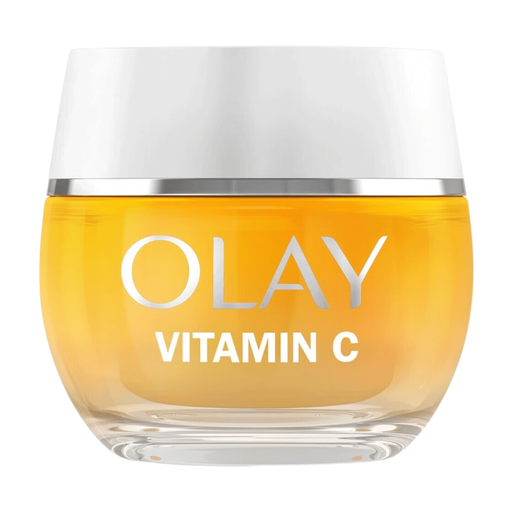
Why This Fits Their Persona: A practical morning option for shoppers wanting hydration, vitamin C, niacinamide and SPF 30 in one product.
The product description identifies both its brightening ingredients and SPF rating, rather than relying only on a glow finish.
SPF 30, glycerin, panthenol, vitamin C derivative and niacinamide in a lightweight day-cream format.
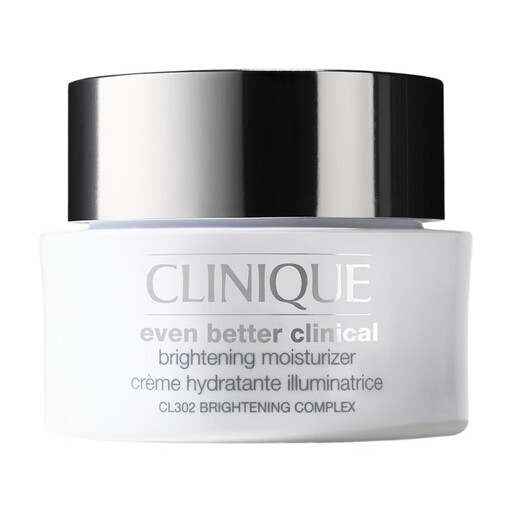
Why This Fits Their Persona: Suitable for shoppers prioritising a fragrance-free, oil-free cream with a detailed ingredient profile and everyday hydration.
It does not depend on fragrance or a tinted finish to create the impression of radiance; the formula lists vitamin C derivative, salicylic acid and hyaluronic acid.
100% fragrance-free, oil-free and labelled non-acnegenic, with moisturising and tone-focused ingredients.
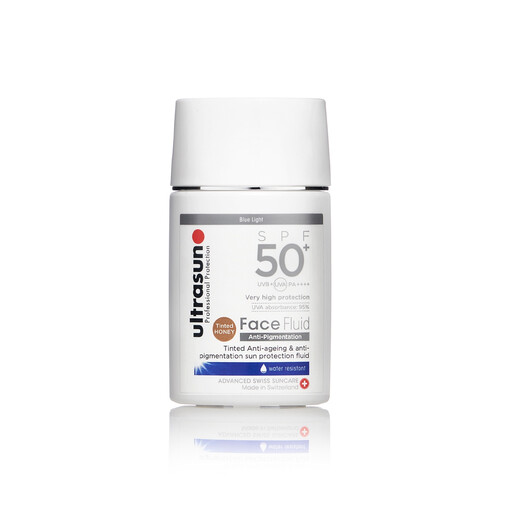
Why This Fits Their Persona: A useful choice for commuters, outdoor workers and anyone seeking a lightweight tinted SPF 50+ fluid for daily daytime wear.
Its product details state the SPF level, application amount and need to apply before sun exposure, making protection requirements clearer.
Ultra-light fluid texture, adaptive tint and SPF 50+ broad-spectrum protection.
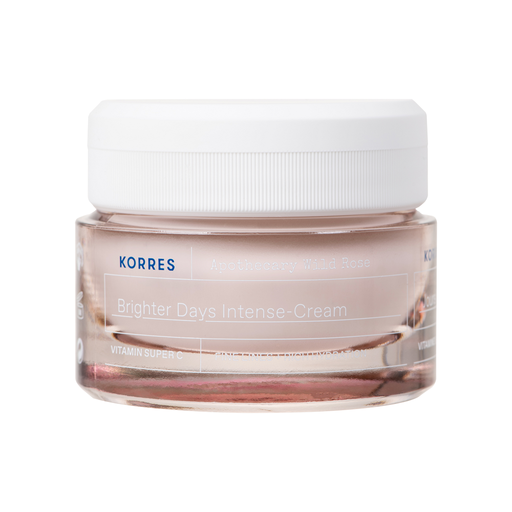
Why This Fits Their Persona: The richer cream texture is designed for ultra-dry skin that needs additional comfort during colder or drier indoor conditions.
The intended skin type and rich texture are clearly described, helping shoppers avoid selecting a lightweight gel when their main need is lasting comfort.
Contains wild rose oil, shea butter and hyaluronic acid, with 94.5% natural-origin content stated in the product information.
We have compiled a complete, real-time list of products that fully satisfy these strict selection criteria and UK safety regulations.
Many are designed for daily use, but check the individual directions. If the formula contains exfoliating acids, retinoid-related ingredients, fragrance or several active ingredients, introduce it gradually. Use sunscreen in the morning and stop if irritation develops.
It can provide convenient daily protection when applied generously and evenly. However, protection may reduce with sweating, swimming or towel drying. Reapply as directed, particularly during prolonged outdoor exposure. A separate sunscreen may be easier to apply in the required quantity.
There is no fixed timeframe because the appearance of dark spots is influenced by sun exposure, previous blemishes, skin sensitivity and routine consistency. An immediate glow may come from hydration or light-reflecting particles, while tone-related changes generally require regular use over time. Compare progress under similar lighting and avoid adding several new products at once.