
24/7 Customer Support

Free returns

Same-day & Next-day Delivery

Quality Guaranteed

Unlock Your Welcome Offers: FREE Delivery | Up to 80% OFF | Free 30-day JoyPlus trial
Download the APP
A brightening face moisturiser can simplify your routine by combining hydration with ingredients that improve the appearance of dullness, uneven tone and dark marks. However, attractive packaging and ambitious claims do not always make a cream suitable for your skin or daily habits.
The right choice depends on more than the word “brightening”. You should check the active ingredients, texture, sun protection, fragrance and how the formula fits with the rest of your routine.
“Brightening” may refer to several different cosmetic effects, including adding surface radiance, improving hydration, smoothing rough texture or gradually reducing the appearance of dark spots. A face cream for dark spots should ideally contain clearly listed ingredients such as niacinamide, vitamin C derivatives, alpha-arbutin or tranexamic acid.
A moisturiser may improve the look of dull skin simply because well-hydrated skin reflects light more evenly. That is useful, but it is not the same as treating the underlying cause of pigmentation.
Sun exposure can make uneven tone and visible dark marks more noticeable. A product marketed as an SPF day cream may be convenient, but check the stated protection level and apply enough product. OLAY Vitamin C Face Moisturiser Day Cream SPF 30, for example, lists broad-spectrum SPF 30 protection, while the Korres White Pine moisturiser lists SPF 20.
For extended outdoor exposure, swimming or heavy perspiration, follow the product instructions and reapply. A daily moisturiser with SPF should not be viewed as a complete replacement for dedicated sunscreen when stronger or prolonged protection is needed.
A cream described as suitable for all skin types may still feel too rich for oily skin or insufficiently nourishing for very dry skin. Texture affects whether you will use the product consistently.
Gel creams can suit oily or combination skin, especially under make-up. Richer formulas may be more comfortable for dry, mature or post-menopausal skin. Also review the ingredient list if you are sensitive to fragrance, essential oils, exfoliating acids or vitamin C products.
For a moisturiser for uneven skin tone, look for ingredients with a clear role:
Do not layer several strong brightening or exfoliating products immediately. Combining a niacinamide moisturiser with a separate acid, retinoid or high-strength vitamin C serum may increase the chance of discomfort.
A genuinely useful hydrating facial moisturiser should contain humectants or emollients that match your needs. Glycerin, hyaluronic acid and panthenol help support surface hydration, while ceramides, squalane, shea butter and selected oils can help reduce moisture loss.
If your skin feels tight after cleansing, prioritise a comfortable barrier-supporting cream over a very lightweight formula. For oily skin, look for a gel-to-water or fast-absorbing texture that does not leave a heavy film.
For daytime use, check:
Remember that an ordinary brightening cream without SPF still needs to be followed by sunscreen in the morning.
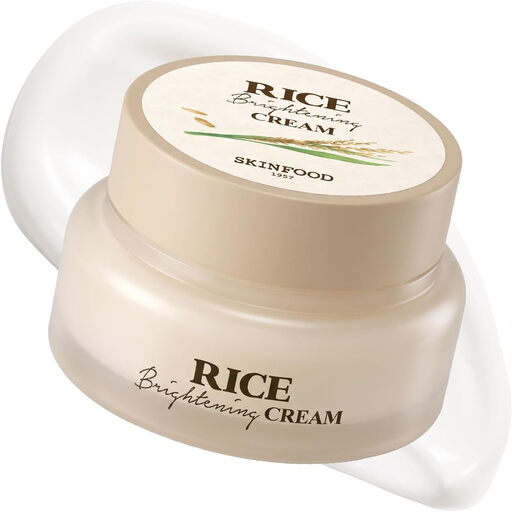
Why This Fits Their Persona: A straightforward daily cream for shoppers wanting hydration, radiance care and a Korean brightening cream texture without adding another complicated step.
Its listed formula identifies niacinamide, rice extracts, amino acids and PHA, making the brightening and texture-focused ingredients easier to assess than vague glow language.
Gel-cream consistency; includes glycerin, niacinamide, rice ingredients and gluconolactone.
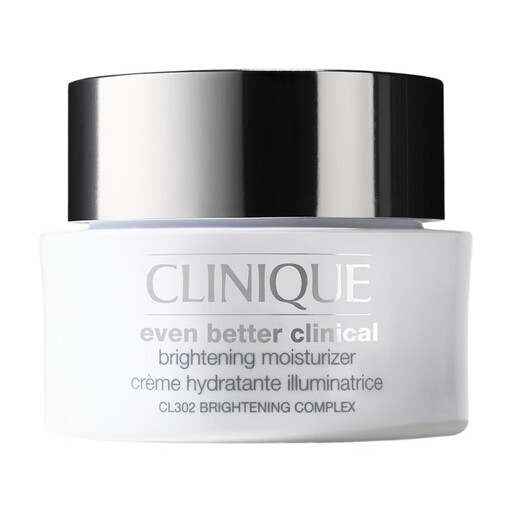
Why This Fits Their Persona: A considered option for shoppers seeking a fragrance-free, oil-free moisturiser with a more refined brightening skincare profile.
The formula lists ascorbyl glucoside, salicylic acid, hyaluronic acid and acetyl glucosamine rather than relying only on a general radiance claim.
100% fragrance-free according to the supplied product information; includes humectants and a vitamin C derivative.
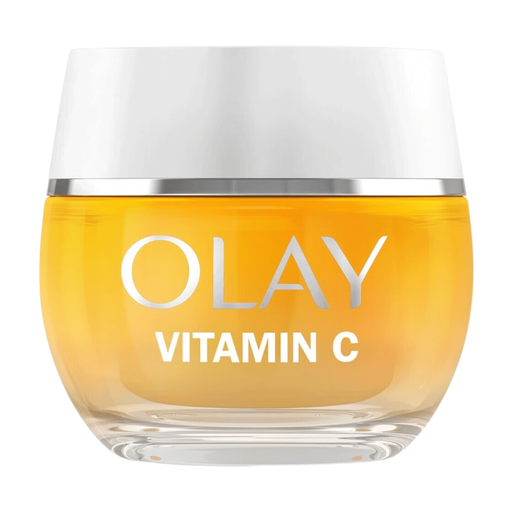
Why This Fits Their Persona: Suitable for busy UK mornings when you want a vitamin C face cream, niacinamide moisturiser and SPF day cream in one product.
The packaging specifies SPF 30 and lists niacinamide plus 3-O-ethyl ascorbic acid, while also stating that reapplication may be needed after swimming, sweating or towel drying.
SPF 30 day cream; lightweight, non-greasy finish according to the product description; refillable jar format is listed.
We have compiled a complete, real-time list of products that fully satisfy these strict selection criteria and UK safety regulations.
Apply a small, even layer after cleansing and any serum. In the morning, use it on the face and neck, avoiding the eye area, then apply additional sunscreen if the moisturiser does not provide sufficient protection.
Introduce formulas containing PHA, salicylic acid, vitamin C or several pigment-focused ingredients gradually. Patch testing is sensible, particularly for sensitive skin. Stop using the product if you experience persistent redness, itching, swelling or discomfort.
Most facial moisturisers last several weeks to a few months, depending on the pack size and how generously you apply them. Follow the packaging guidance for the period after opening and check the batch or shelf-life information printed on the product.
Many are designed for daily use, but frequency depends on the ingredients. A simple niacinamide or hydrating formula may be suitable morning and evening, while products containing exfoliating acids or multiple active ingredients may be better introduced less frequently.
It can provide convenient daily protection when applied correctly, but SPF moisturiser should not be your only sun-protection measure during prolonged outdoor activity. Use suitable sunscreen, protective clothing and shade, and reapply after swimming, sweating or towel drying as directed.