
24/7 Customer Support

Free returns

Same-day & Next-day Delivery

Quality Guaranteed

Unlock Your Welcome Offers: FREE Delivery | Up to 80% OFF | Free 30-day JoyPlus trial
Download the APP
A brightening serum can be a useful addition to a UK skincare routine when dullness, post-acne marks or uneven-looking pigmentation are your main concerns. However, a higher price or a prominent percentage on the bottle does not automatically make a formula suitable for your skin.
The main challenge is matching the active ingredients, packaging and texture to your routine. A serum that feels comfortable and is used consistently may be more practical than one that causes dryness, pilling or irritation after a few applications.
A label may highlight a large percentage of fruit extract, but this is not the same as a large percentage of a specific brightening active. For example, yuja extract can provide a formula with a fresh, fruit-based profile, while niacinamide, tranexamic acid, alpha-arbutin or a vitamin C derivative may be listed separately at a lower concentration.
Look at the full INCI ingredient list rather than relying only on front-of-pack claims. A dark spot serum should clearly identify its key ingredients and provide directions for use.
Vitamin C products can use different forms, including pure ascorbic acid and more stable derivatives such as 3-O-Ethyl Ascorbic Acid, Sodium Ascorbyl Phosphate or Ascorbyl Glucoside. These forms differ in texture, formulation requirements and potential tolerance.
Pure Vitamin C may be unsuitable for some people who are prone to stinging, particularly if the formula also contains exfoliating acids or fragrance. A derivative-based option may be easier to introduce gradually, although individual skin response still varies.
Light, air and heat can affect some ingredients over time. Airless pumps, opaque bottles and tightly sealed containers can be practical features for formulas containing vitamin C or other oxidation-sensitive ingredients.
A brightening routine also needs daytime UV protection. Without regular sunscreen use, sun exposure can contribute to the appearance of new discolouration. Apply a suitable broad-spectrum sunscreen as the final morning step and follow the product’s own usage directions.
Choose the ingredient profile according to your main objective:
No cosmetic serum should be treated as a medical treatment. Persistent, changing or concerning pigmentation should be discussed with a qualified healthcare professional.
For serum for sensitive skin, review the ingredients for parfum, essential oils, drying alcohol and exfoliating acids. A fragrance-free formula is not automatically suitable for everyone, but removing unnecessary potential irritants may simplify product selection.
Those with oily or acne-prone skin may prefer a lightweight gel or watery texture. Dry or mature skin may find a serum with humectants and emollients more comfortable. Patch testing is sensible before applying a new product across the entire face.
A 30ml bottle is common for facial serums, while a 50ml or 55ml bottle may suit shoppers who plan to apply a product to the face and neck regularly. Check whether the product recommends morning use, evening use or both, and whether there are limits on how often an ingredient should be applied.
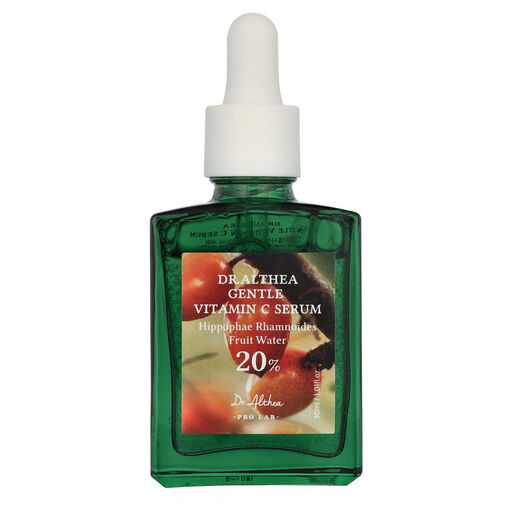
Why This Fits Their Persona: A practical starting point for shoppers who want vitamin C and niacinamide in a watery, layer-friendly 30ml serum.
The formula identifies stable 3-O-Ethyl Ascorbic Acid and 5% Niacinamide rather than relying only on a broad “brightening” claim. Its dual-layer capsule packaging is designed to support product freshness.
Under 20 listed essential ingredients, green tea leaf water, allantoin and a fast-absorbing texture.
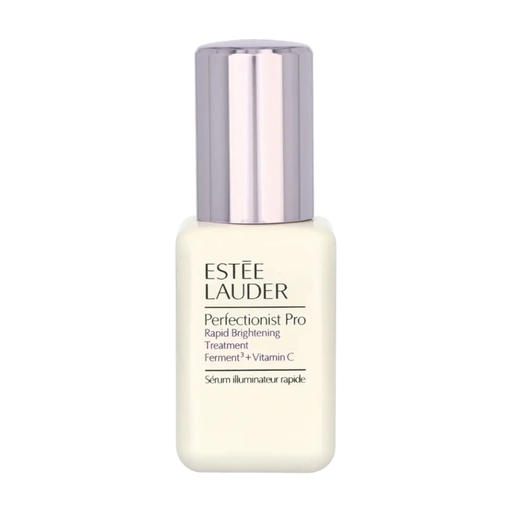
Why This Fits Their Persona: Designed for shoppers who want a treatment-style serum with brightening, hydration and texture-supporting ingredients in one routine step.
The ingredient list makes the formula’s vitamin C form clear: Ascorbyl Glucoside. It also includes salicylic acid, so shoppers with sensitive or damaged skin should review the ingredients carefully.
Contains sodium hyaluronate, squalane and multiple botanical extracts in a lightweight 30ml format.
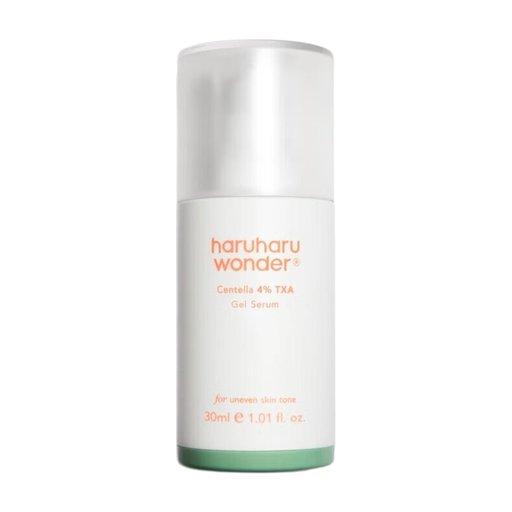
Why This Fits Their Persona: A targeted Korean brightening serum for shoppers focusing on dark spots, post-acne marks and uneven-looking tone.
It gives transparent headline concentrations of 4% Tranexamic Acid and 4% Niacinamide, while the airless pump helps limit unnecessary air exposure.
Includes Centella components and a fragrance-free formula without drying alcohol, according to the supplied product information.
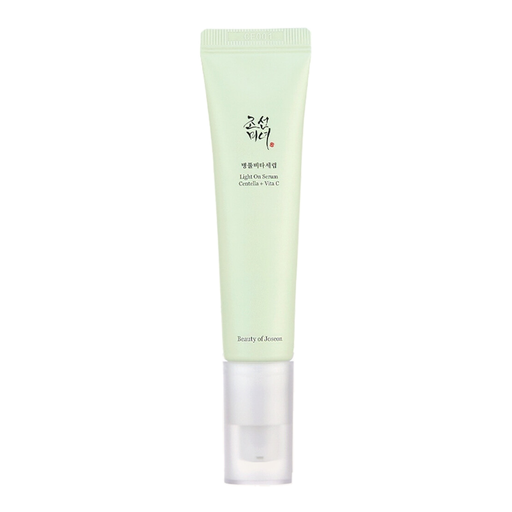
Why This Fits Their Persona: A light, soothing option for people who want a vitamin C serum without a heavy finish.
The formula uses 10% 3-O-Ethyl Ascorbic Acid alongside Centella Asiatica, rather than relying on a high-strength pure ascorbic acid format.
Contains panthenol, beta-glucan and hydrolysed hyaluronic acid, with a fresh, non-heavy finish.
We have compiled a complete, real-time list of products that fully satisfy these strict selection criteria and UK safety regulations.
Avoid applying a serum to broken or inflamed skin. If you already use retinoids, exfoliating acids or several brightening products, alternate them rather than layering everything immediately.
Cosmetic results vary according to the type and depth of discolouration, application frequency and sun exposure. Allow several weeks of consistent use before judging a product, unless irritation occurs sooner. Take periodic photographs in similar lighting rather than relying on daily mirror checks.
Some formulas are designed for morning and evening use, while others may be better introduced a few times per week. Follow the product directions. Avoid exceeding stated limits, especially when using formulas containing strong actives or Thiamidol. Daily sunscreen remains important.
Choose according to your routine and tolerance. Vitamin C is commonly selected for dullness and radiance, while niacinamide may suit shoppers also concerned with oiliness, pores or barrier support. A formula combining both can be convenient, but always check the complete ingredient list and patch test first.