
24/7 Customer Support

Free returns

Same-day & Next-day Delivery

Quality Guaranteed

Unlock Your Welcome Offers: FREE Delivery | Up to 80% OFF | Free 30-day JoyPlus trial
Download the APP
Dark spots, post-acne marks and uneven tone can make skincare shopping surprisingly difficult. Product pages often promise a brighter complexion, but impressive-sounding claims do not always explain the details that matter: active concentrations, texture, fragrance, skin compatibility and how the serum fits into your routine.
A suitable brightening serum for dark spots should be judged by its full ingredient list and practical usability rather than a single headline claim. The following guide highlights common buying traps and compares options for different UK skincare needs.
Vitamin C, niacinamide and alpha-arbutin are widely used in brightening products, but a familiar ingredient name does not tell you everything. Its position in the ingredient list, the supporting formula and the type of vitamin C all affect how the product feels and how easily it fits into a routine.
For example, a vitamin C serum may contain pure ascorbic acid, a derivative such as 3-O-ethyl ascorbic acid, or a combination of brightening ingredients. These formulas can differ in texture, storage requirements and potential for stinging.
A serum described as suitable for sensitive or acne-prone skin may still contain fragrance, essential oils, alcohol, exfoliating acids or botanical extracts that some users prefer to avoid. Always check the current packaging and ingredient list, particularly if your skin is reactive.
A patch test on a small area is a sensible step before applying a new hyperpigmentation serum across the face.
UV exposure can contribute to the appearance of uneven tone and may make dark marks look more noticeable. A face serum for pigmentation is not a substitute for daytime sunscreen. Use a broad-spectrum SPF during the day, especially when your routine contains vitamin C or exfoliating acids.
Choose the active ingredient according to your main concern and tolerance:
A higher percentage is not automatically a better match. Beginners or sensitive-skin users may prefer a simpler, lower-strength formula.
Texture affects whether you use a product consistently. Lightweight watery or gel formulas can suit oily and combination skin, while a serum with humectants such as glycerin or hyaluronic acid may feel more comfortable on dehydrated skin.
Check whether the finish is dewy, silky or quick-drying. If you wear make-up during the working day, a non-greasy serum that layers under moisturiser may be more practical than a rich formula.
Review the ingredient list for parfum, essential oils, alcohol denat. and acids if these are known sensitivities. Vitamin C products may also benefit from cool, dry storage away from direct sunlight. Always follow the product’s packaging instructions and check the opening-period symbol where applicable.
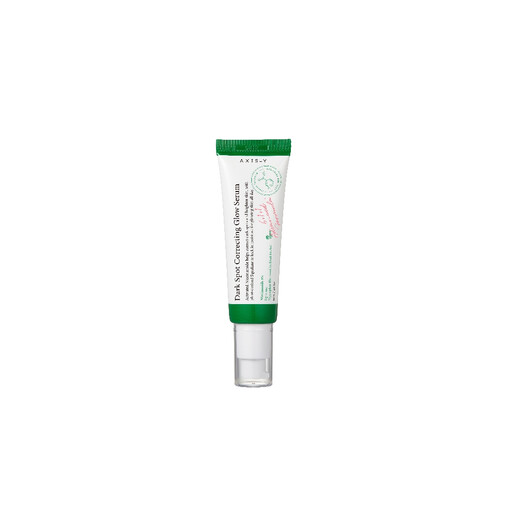
Why This Fits Their Persona: A 50ml lightweight gel is practical for someone starting a daily post-acne mark serum routine without choosing a richer texture.
Its stated 5% niacinamide content is clearly identified, while the gel texture avoids the heavy finish that can discourage regular use.
Contains niacinamide, squalane, sodium hyaluronate and botanical extracts; can be used across the face or on selected areas.
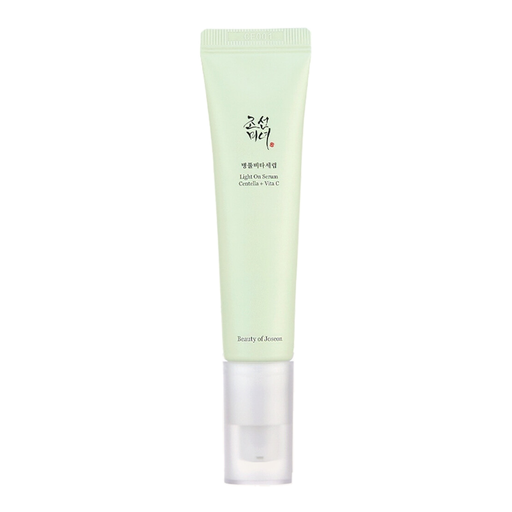
Why This Fits Their Persona: Suits shoppers wanting a Korean brightening serum with a lighter vitamin C derivative and a soothing-focused formula.
The formula identifies 10% 3-O-ethyl ascorbic acid rather than relying only on a vague “glow” description, and includes centella and panthenol.
Lightweight finish; includes centella asiatica extract, beta-glucan, panthenol and hydrolysed hyaluronic acid for a hydrated feel.
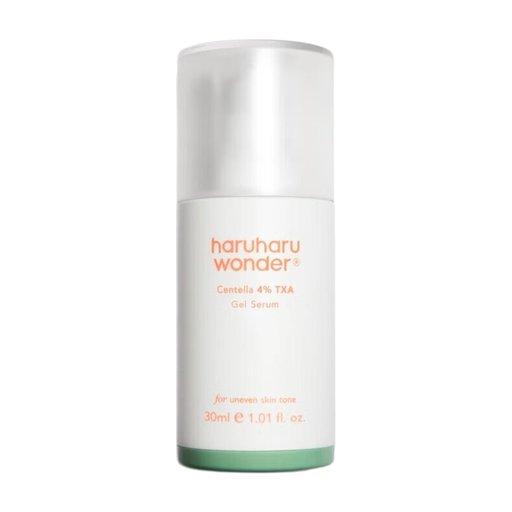
Why This Fits Their Persona: Designed for shoppers specifically comparing tranexamic acid products for persistent-looking dark spots, post-acne marks and uneven tone.
Its stated 4% tranexamic acid and 4% niacinamide concentrations make the formula easier to compare than products using unspecified “brightening complexes”.
Featherlight gel texture; includes centella components and vitamin C derivatives; free from artificial fragrance according to the listed description.
We have compiled a complete, real-time list of products that fully satisfy these strict selection criteria and UK safety regulations.
Apply a few drops after cleansing and, where appropriate, toning. Follow with moisturiser to support a comfortable skin feel. Introduce one new active product at a time so that you can identify the cause if irritation occurs.
For vitamin C or exfoliating formulas, morning SPF is particularly important. Do not apply products to broken or irritated skin, avoid direct eye contact and stop use if you experience persistent redness, swelling, itching or discomfort.
The timeline varies according to the cause of the discolouration, the formula and how consistently it is used. Assess the appearance of marks over several weeks rather than expecting a permanent change after a few applications. Daily SPF and avoiding picking at blemishes can support a more consistent routine.
They are commonly found in the same modern skincare formulas, but individual tolerance still matters. Start with one product, use a small amount and monitor your skin. If you are also using AHA, BHA or PHA, introduce those products separately to reduce the risk of over-exfoliation.
Choose a targeted formula if dark marks and uneven tone are your main priorities. Choose a hydrating facial serum when tightness or dehydration is making your routine uncomfortable. Some products combine both purposes, such as formulas containing glycerin, hyaluronic acid, panthenol or squalane, allowing you to simplify your routine.