
24/7 Customer Support

Free returns

Same-day & Next-day Delivery

Quality Guaranteed

Unlock Your Welcome Offers: FREE Delivery | Up to 80% OFF | Free 30-day JoyPlus trial
Download the APP
A brightening serum can be a useful addition to a daily skincare routine when dullness, uneven tone or the appearance of post-acne marks is your concern. However, choosing one based only on phrases such as “instant glow” or a high percentage on the front label can lead to disappointment.
The right product depends on its active ingredients, texture, storage needs and how well it suits your skin. This guide explains the practical checks to make before buying a dark spot serum, vitamin C serum or niacinamide serum, followed by product options for different skincare priorities.
A dewy finish may come from humectants, oils or light-reflecting ingredients rather than a formula designed for the appearance of dark spots. This is not necessarily a flaw, but it is important to distinguish between surface radiance and a serum intended for uneven tone.
Check the ingredient list for relevant actives such as niacinamide, vitamin C derivatives, alpha-arbutin or tranexamic acid, rather than relying solely on the product name.
A 10% niacinamide serum is not automatically a better choice than a 4% or 5% formula. Higher concentrations may feel less comfortable for some users, particularly when combined with exfoliating acids, fragrance or alcohol.
For a first product, a simple formula with a moderate active level can be easier to introduce gradually. Those seeking a serum for sensitive skin should also check for fragrance, essential oils and potentially irritating exfoliants.
Daily UV exposure can make uneven tone more difficult to manage. A brightening product used in the morning should be followed by a broad-spectrum sunscreen suitable for your skin. This is particularly relevant when using products containing exfoliating ingredients or vitamin C derivatives.
A serum cannot replace sunscreen, and no cosmetic product should be treated as a medical treatment for pigmentation.
Different ingredients suit different priorities:
Do not layer several strong brightening products immediately. Introduce one new serum at a time so you can identify the source of any irritation.
A watery or gel texture can work well for oily, combination or acne-prone skin, particularly under moisturiser and make-up. Creamier or oil-containing formulas may suit dry skin or users who want a more nourishing finish.
For example, the Axis-Y serum is described as a lightweight gel, while the Thank You Farmer Rice Pure Cream In Ampoule serum uses a double-layered cream and ampoule format and needs shaking before application.
Look beyond the front label for:
Patch testing is sensible before applying a new product across the face. Avoid broken or irritated skin, keep products away from the eyes and stop use if persistent redness, itching or swelling occurs.
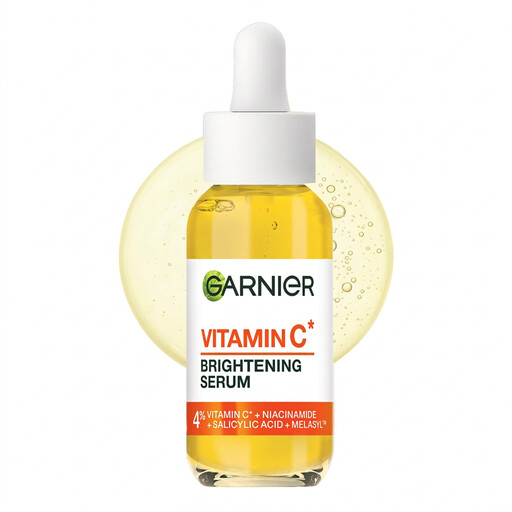
Why This Fits Their Persona: A straightforward daily option for shoppers wanting vitamin C derivative, niacinamide and salicylic acid in one 30ml formula.
The ingredient list makes its active combination clear, so buyers can compare the formula rather than judge it only by glow-focused wording.
Lightweight, non-greasy texture; includes niacinamide and 3-O-Ethyl Ascorbic Acid. Use cautiously if your skin is sensitive to exfoliating acids or fragrance.
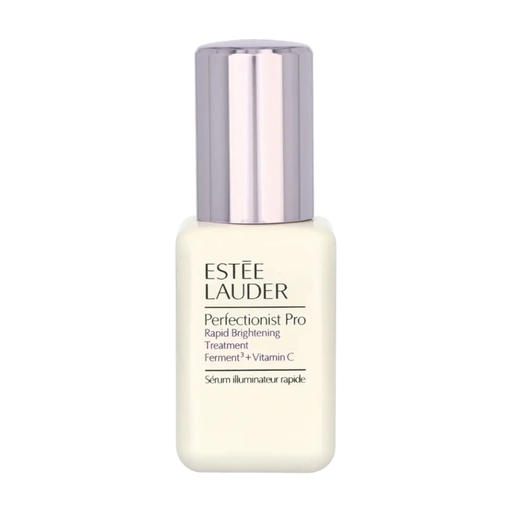
Why This Fits Their Persona: Suits shoppers looking for a refined, quick-absorbing treatment with a vitamin C derivative, sodium hyaluronate and squalane.
Its ingredient list reveals both hydrating components and salicylic acid, helping buyers assess whether it fits their existing routine.
Contains ascorbyl glucoside, hyaluronic acid and squalane; the product information describes a lightweight finish. Avoid broken or highly sensitive skin.
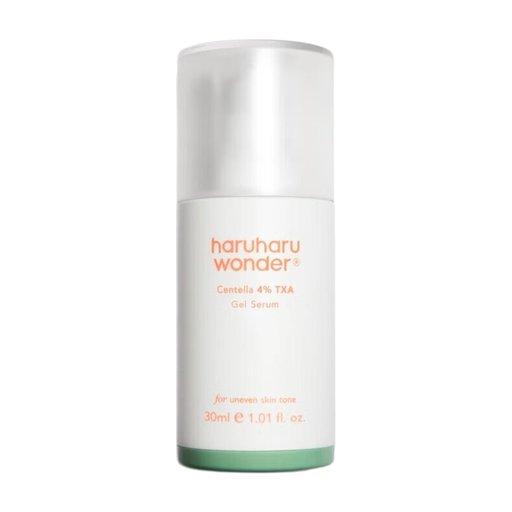
Why This Fits Their Persona: A focused option for users comparing a dark spot serum around tranexamic acid and niacinamide, with a light gel texture for regular application.
The formula specifies 4% TXA and 4% niacinamide, while centella ingredients support a less complicated comparison than vague “brightening complex” claims.
Fragrance-free formula; contains tranexamic acid, niacinamide and centella complex in a featherlight gel format.
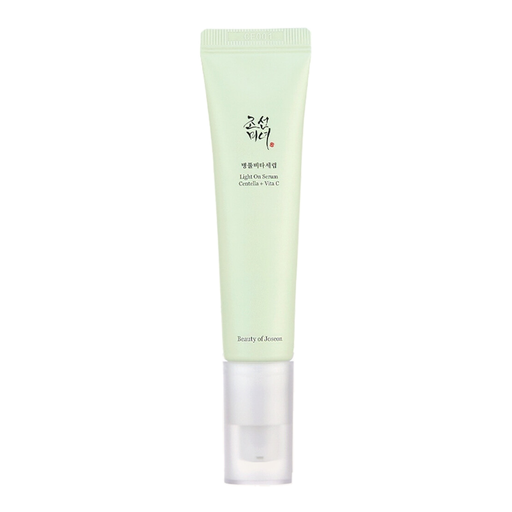
Why This Fits Their Persona: A Korean brightening serum for users who want vitamin C derivative alongside centella asiatica and a lightweight, non-heavy finish.
It combines a stated 10% 3-O-Ethyl Ascorbic Acid level with centella, panthenol and beta-glucan, rather than presenting brightness as the only feature.
Contains 68% centella asiatica extract and 10% 3-O-Ethyl Ascorbic Acid; the product description specifies a fresh, lightweight texture.
Many products are designed for daily use, but frequency depends on the formula and your skin’s tolerance. Start with a small amount every other day if the serum contains acids, multiple actives or a concentrated vitamin C derivative. Apply moisturiser afterwards and use sunscreen during the day.
The usable period depends on the product’s packaging, storage instructions and the manufacturer’s stated period-after-opening guidance. Keep vitamin C products away from direct sunlight and heat, close the bottle securely and check for changes in colour, smell or texture. Always prioritise the expiry and batch information printed on the packaging.